
Genetic retinal diseases are inherited conditions that affect how the retina functions and can lead to progressive changes in vision over time. We use detailed retinal imaging, functional testing and genetic assessment where appropriate to identify the condition, monitor changes and guide ongoing care for you and your family.
Inherited retinal diseases are a group of conditions caused by genetic changes (mutations) that affect the normal function of the retina, the light-sensitive layer at the back of the eye. These changes are often passed down from one or both parents, although a family history of retinal disease is not always present. Some conditions follow a recessive inheritance pattern, where both parents carry a genetic mutation but have normal vision, while their child develops the disease after inheriting an affected copy of the gene from each parent.
Some of the more common inherited retinal diseases include:
The severity and rate of progression differ considerably between individuals, even among those with the same inherited retinal condition.
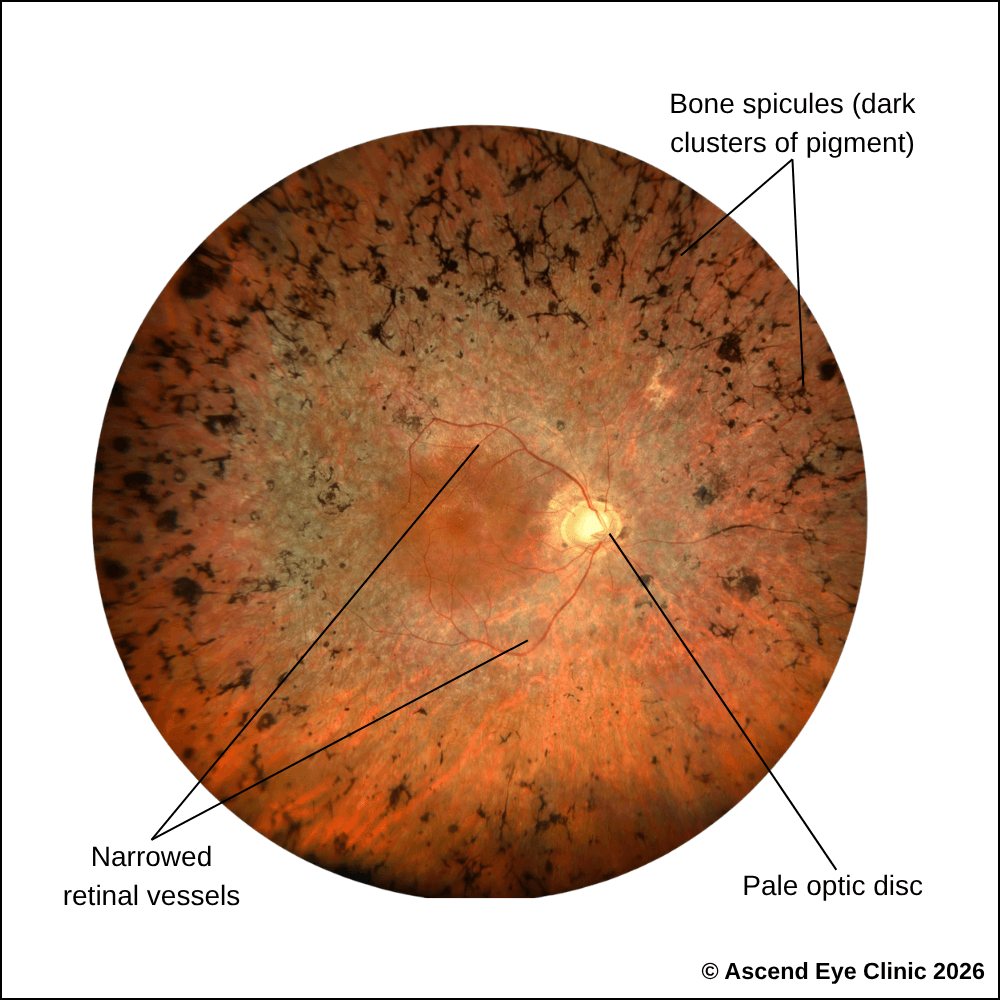
Symptoms vary depending on the specific condition and part of the retina which is affected and may include:
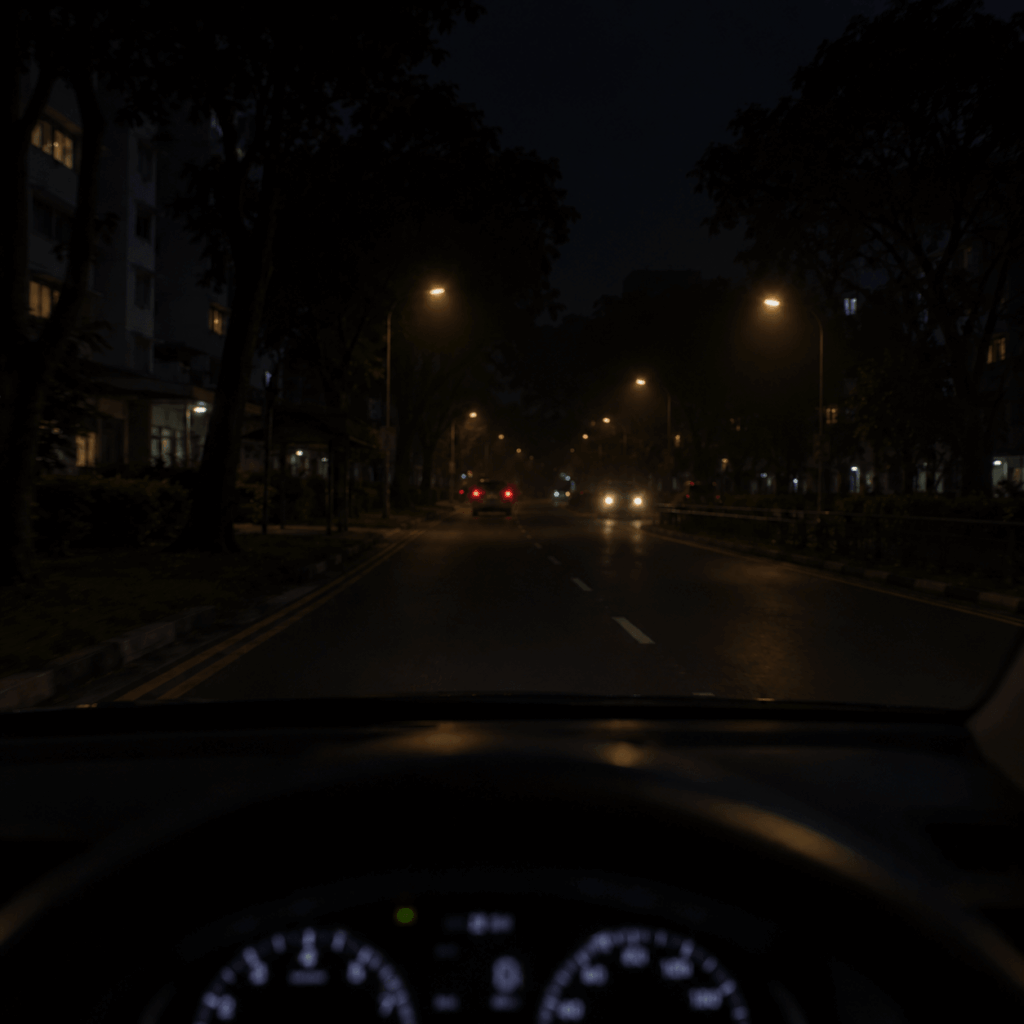
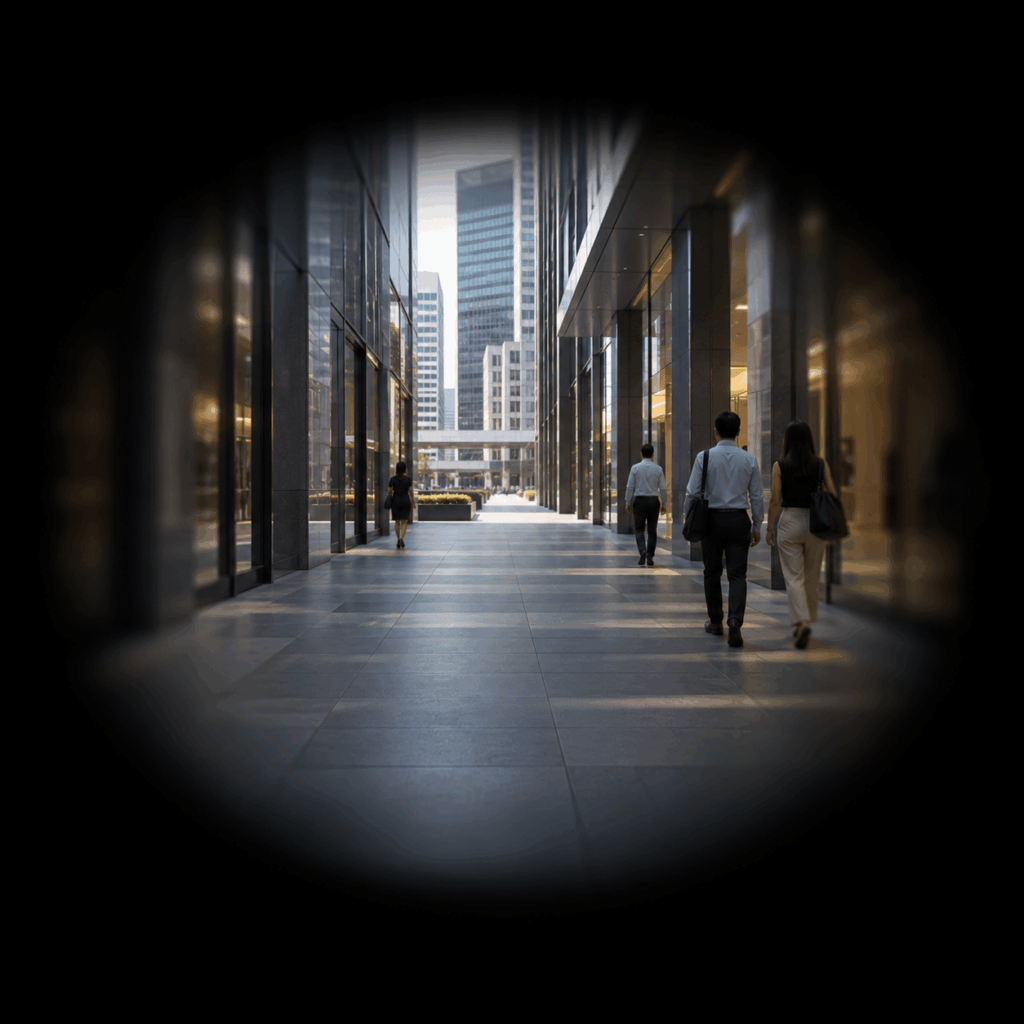


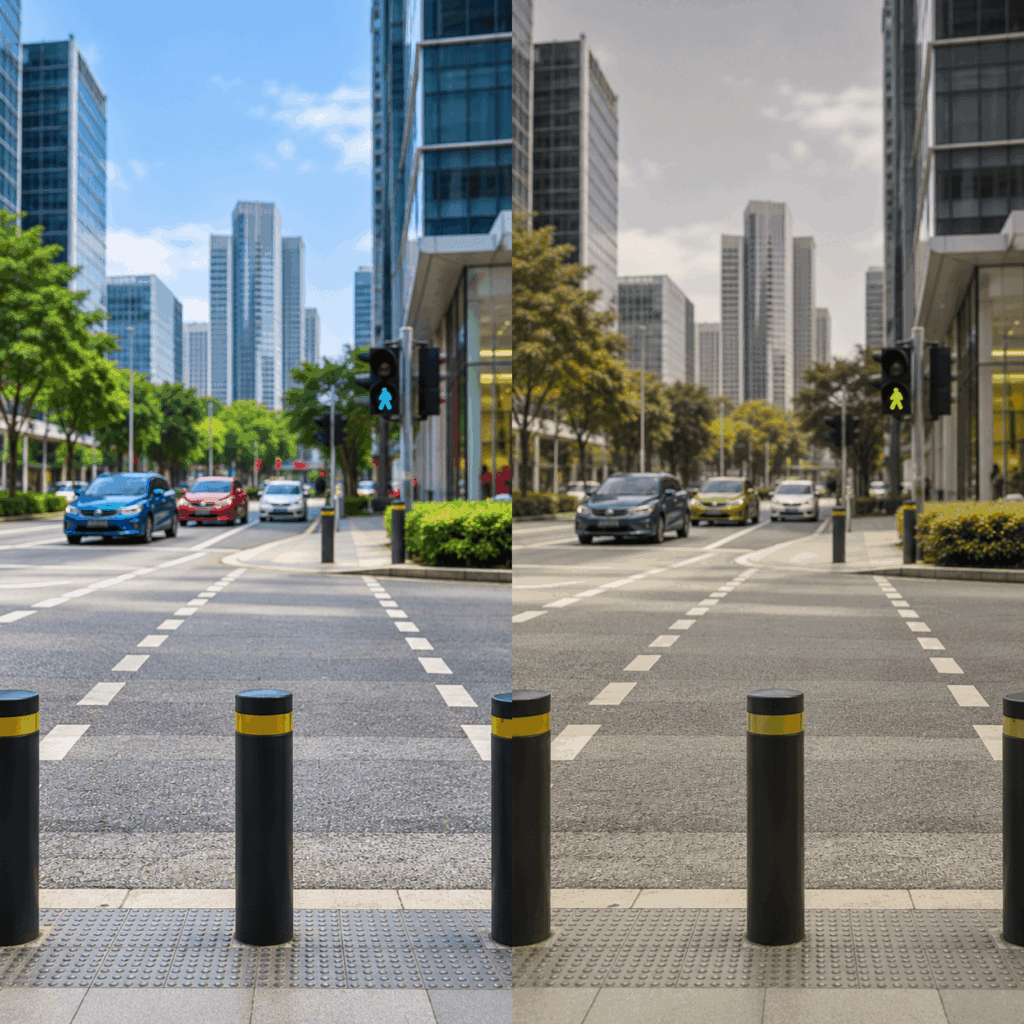

Symptoms may be present from birth or only become noticeable later in childhood, adolescence or adulthood. Some conditions progress gradually, while others remain relatively stable for many years. The pattern and severity of vision loss can also differ between members of the same family.
We use a combination of detailed eye examination and advanced retinal imaging to assess the macula, retina, optic nerve, and retinal blood vessels. These tests allow us to identify structural and functional changes, determine the type and severity of the condition, and establish a clear baseline for ongoing monitoring and treatment planning.
Measures central vision and helps document how the retinal condition is affecting visual function over time.
Captures detailed images of the retina to document characteristic retinal changes and monitor their progression over time.
Maps natural autofluorescence from the retinal pigment epithelium, helping us identify areas of stressed, damaged or lost retinal cells and define the pattern and extent of retinal degeneration.
Provides detailed cross-sectional images of the retina to assess the macula, photoreceptor layers and areas of retinal thinning or degeneration.
Maps areas of preserved and reduced vision, helping us identify characteristic patterns of visual field loss and monitor changes over time.
Measures the electrical responses of the retina to light. Different inherited retinal diseases produce characteristic patterns of electrical activity, helping identify the type of retinal dysfunction and narrow down the possible genetic diagnosis.
Analyses a blood or saliva sample to identify specific genetic mutations responsible for inherited retinal diseases. This helps confirm the diagnosis, determine the inheritance pattern and provide information about the risk to other family members.
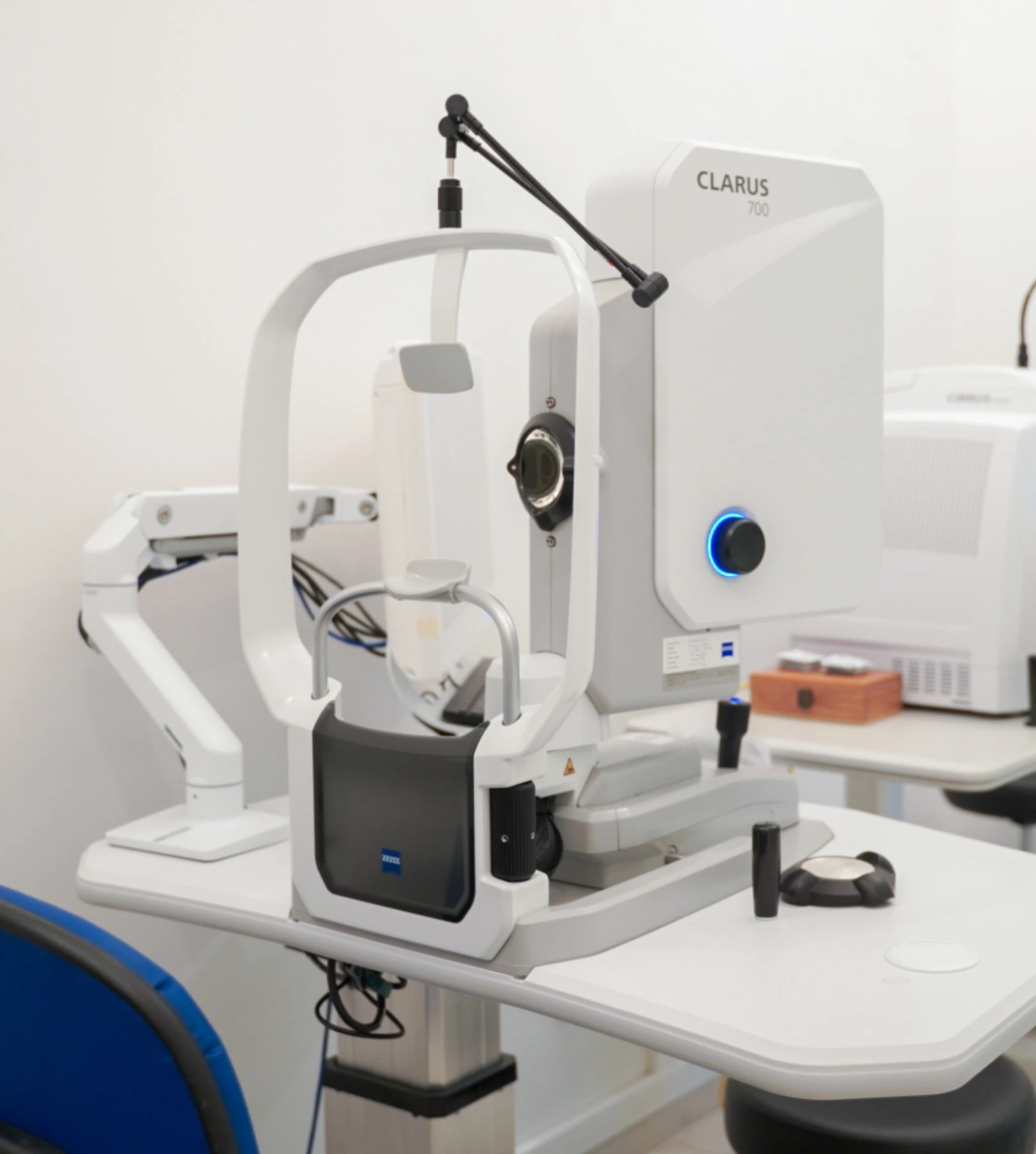
Although there is currently no treatment that can reverse genetic retinal diseases, appropriate testing, monitoring and visual support can help patients manage their condition and maintain their independence.
Genetic testing may help identify the gene responsible for the condition. This can provide a more specific diagnosis, clarify how the condition may be inherited and determine whether a patient may be suitable for certain treatments or clinical trials. Genetic counselling may also be recommended to help patients and their families understand the results.
Low-vision support can help patients make better use of their remaining vision. This may include magnifiers, electronic reading devices, enlarged text, contrast enhancement, lighting adjustments and training for daily activities or mobility.
Regular retinal examinations and imaging are also important for monitoring changes and identifying associated eye problems that can be treated. These include retinal swelling, which can be managed with medication, and cataracts, which can be treated with surgery.
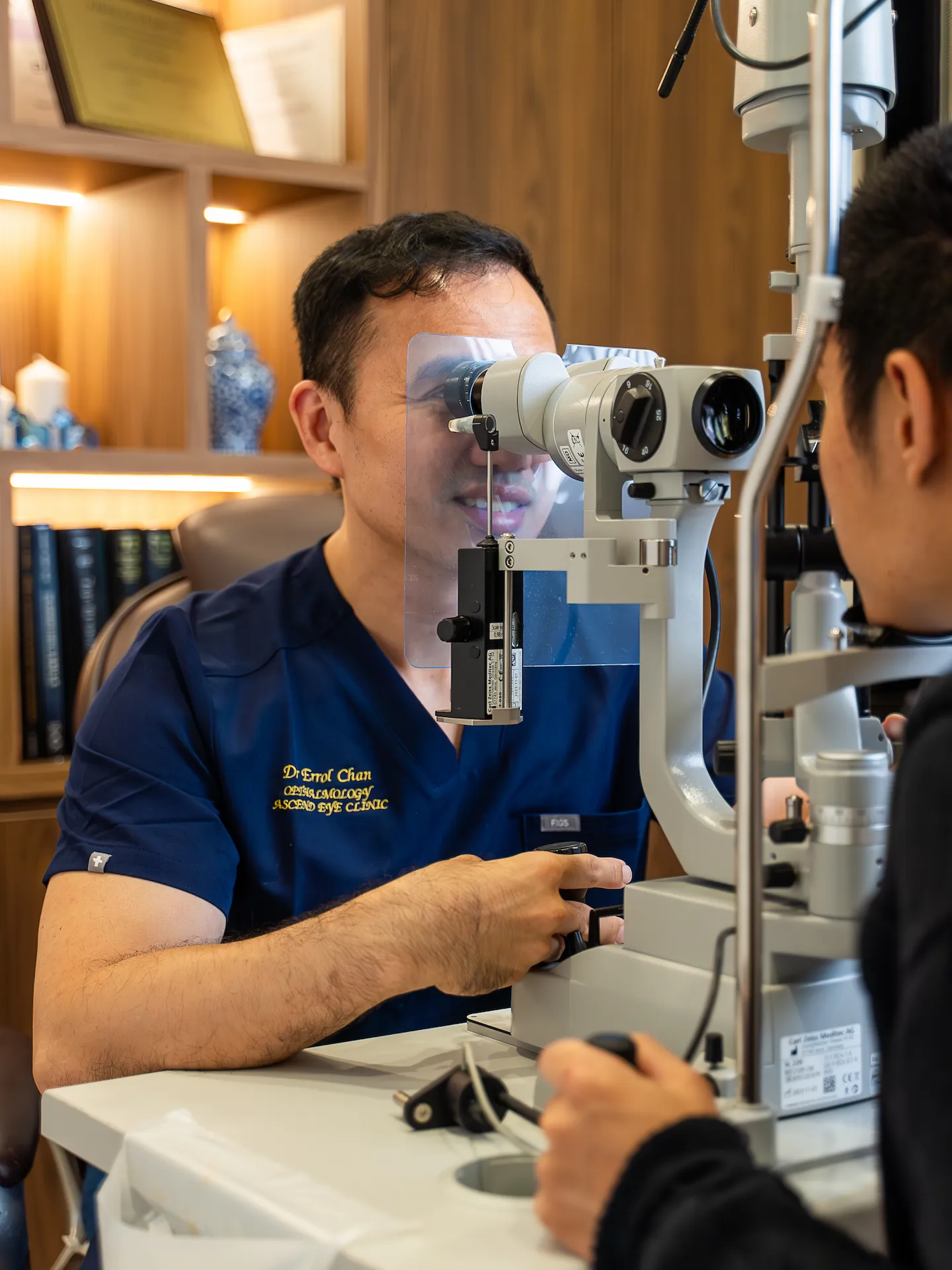
From your initial consultation to treatment and follow-up care, our team will guide you through every stage of your journey. We will take the time to explain your condition, answer your questions and help you feel informed and supported throughout your care.

Your consultation begins with a detailed assessment of your vision and retinal health. This includes reviewing your symptoms, medical history and family history, as inherited retinal conditions can affect different members of a family in different ways.
We will also discuss when your visual symptoms first began and whether they have changed over time.
Specialised retinal imaging and visual testing are used to examine the structure and function of the retina. Depending on your condition, this may include optical coherence tomography, fundus photography, fundus autofluorescence and visual field testing.
These investigations help us identify characteristic patterns of retinal change and establish a baseline that can be compared with future examinations.
Where an inherited retinal disease is suspected, genetic testing can help identify the underlying genetic cause. This can provide greater clarity about the diagnosis, inheritance pattern and how the condition is expected to behave over time.
Many inherited retinal diseases do not currently have treatment that can restore the retinal cells already affected. Management therefore focuses on protecting useful vision, identifying associated eye problems and monitoring the retina for changes over time.
Your follow-up plan will be tailored according to your diagnosis, retinal findings, visual function and rate of progression. Where condition-specific treatment or other appropriate management options are available, we will discuss these with you.
Regular reviews allow us to monitor changes in your vision and retinal structure over time. Repeat imaging and visual testing can help us assess progression and identify any additional eye conditions that require treatment.
We will continue to explain your findings clearly and provide guidance on visual needs, family screening and appropriate next steps as your condition is monitored.
Changes in night vision, peripheral vision or colour perception can be signs of a genetic retinal condition. Early assessment helps identify the cause, monitor changes and guide the right care for you and your family.
Book a consultation at Ascend Eye Clinic for a detailed retinal evaluation and personalised advice on genetic testing, vision support and long-term monitoring.
An inherited retinal disease is suspected when the pattern of retinal changes, symptoms and age of onset are characteristic of an inherited condition. We assess this through retinal examination, imaging and visual-function testing, with genetic testing used to identify the underlying genetic cause where appropriate.
Yes. Many inherited retinal diseases follow recessive inheritance, where both parents carry a genetic change without developing the condition themselves. Others arise from a new genetic change or have gone unrecognised in previous generations.
Symptoms depend on which part of the retina is affected. These include difficulty seeing at night, reduced peripheral vision, sensitivity to bright light, impaired colour vision, distorted central vision and progressive reduction in visual clarity.
Diagnosis combines a detailed retinal examination with specialised imaging and visual-function testing. This includes OCT, fundus photography, fundus autofluorescence, visual-field testing and, in selected cases, electroretinography. Genetic testing provides additional information about the underlying diagnosis and inheritance pattern.
Genetic testing helps identify the specific gene responsible for the retinal disorder. This strengthens the diagnosis, clarifies how the condition is inherited and provides useful information for patients and their families.
Genetic testing usually requires a blood or saliva sample. DNA is analysed for genetic changes associated with inherited retinal disease, and the findings are interpreted together with the retinal examination and imaging results.
Yes. Current testing does not identify every genetic cause of retinal disease. Some tests do not detect a definite disease-causing variant, while others identify a genetic change whose significance is not yet fully understood. The clinical diagnosis therefore remains important even when genetic testing is inconclusive.
The course differs between inherited retinal diseases. Some progress gradually over many years, while others remain relatively stable for long periods. We monitor retinal structure and visual function over time to determine whether the condition is changing.
No. The degree and pattern of visual loss vary widely. Some conditions mainly affect night or peripheral vision while preserving central vision for many years, whereas others primarily affect the macula and central vision. Complete loss of vision is not inevitable.
The same genetic condition does not affect every person identically. The age at which symptoms begin, the areas of retina involved and the rate of progression can differ even between members of the same family.
The risk depends on the gene involved and its inheritance pattern. Inherited retinal diseases can follow dominant, recessive, X-linked or other inheritance patterns. Once the genetic cause is identified, genetic counselling can provide a more accurate assessment of the risk to children and other relatives.
Family testing is particularly useful when a disease-causing genetic change has already been identified. Testing selected relatives can clarify who carries the same genetic change and provide more meaningful information about inheritance within the family.
Treatment depends on the specific condition. For many inherited retinal diseases, management focuses on preserving useful vision, treating associated retinal complications and monitoring progression. Treatment options continue to develop as research into inherited retinal disease advances.
Regular retinal monitoring allows changes and treatable complications to be identified promptly. Maintaining good general health, avoiding smoking, protecting the eyes from excessive ultraviolet exposure and using appropriate visual aids also help support long-term visual function.
Follow-up depends on the diagnosis, severity and rate of progression. We use retinal imaging and visual-function testing at appropriate intervals to document changes over time and identify complications that require treatment.
Hi, I would like to book a consultation with Dr Errol Chan from Ascend Eye Clinic
