
Dry eyes are more than just occasional irritation. At Ascend Eye Clinic, we understand how disruptive dry eye symptoms can become. We take a detailed, scientific, and patient-centred approach to identifying the causes of your symptoms and provide personalised treatment to relieve discomfort, improve your tear film and help your eyes feel comfortable again.
Dry eye syndrome occurs when the tear film does not adequately lubricate and protect the surface of the eye. This happens when the eyes do not produce enough tears, when tears evaporate too quickly, or when the different components of the tear film are not properly balanced.
There are two main types of dry eye:
Many people have features of both aqueous-deficient and evaporative dry eye. Identifying which components of the tear film are affected and help guide treatment towards the underlying cause.
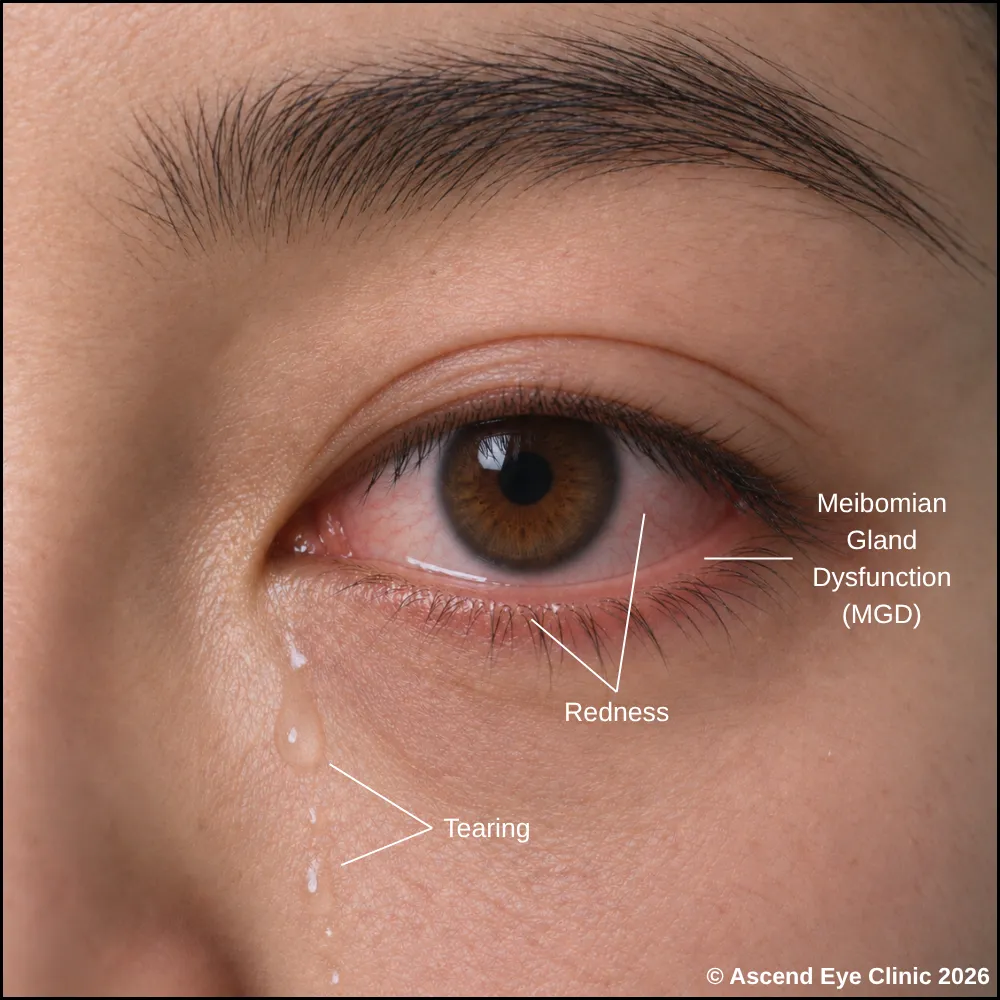
Dry eye can develop when tear production is reduced, when tears evaporate too quickly, or when the normal balance of the tear film is disrupted. Several factors can contribute to this:

Symptoms of dry eye can vary throughout the day and are often more noticeable during prolonged screen use, in air-conditioned environments or when wearing contact lenses. These include:

Dry eye syndrome is not a single condition, and effective treatment starts with identifying the specific factors affecting the tear film and ocular surface. Our specialist dry eye assessment combines a detailed clinical examination with targeted diagnostic testing to evaluate tear quantity, tear-film stability, meibomian gland health and the condition of the ocular surface.
Measures how clearly you can see and helps identify any reduction or fluctuation in vision associated with an unstable tear film.
Provides a magnified view of the eyelids, tear film, cornea and conjunctiva to identify signs of dryness, inflammation or damage to the surface of the eye.
Measures how long the tear film remains stable after a blink without placing dye into the eye. A shorter break-up time indicates reduced tear film stability and increased tear evaporation.
Measures the small reservoir of tears along the lower eyelid to assess the amount of tears present on the eye. A reduced tear meniscus indicates insufficient tear production.
Uses non-invasive infrared imaging to examine the meibomian glands within the eyelids. It shows the length, shape and condition of the glands and identifies areas of shortening, distortion or gland loss associated with meibomian gland dysfunction.
Measures the concentration of dissolved particles in the tear film. Higher or unequal osmolarity between the eyes indicates tear-film imbalance and increased ocular surface stress, supporting the assessment of dry eye severity.
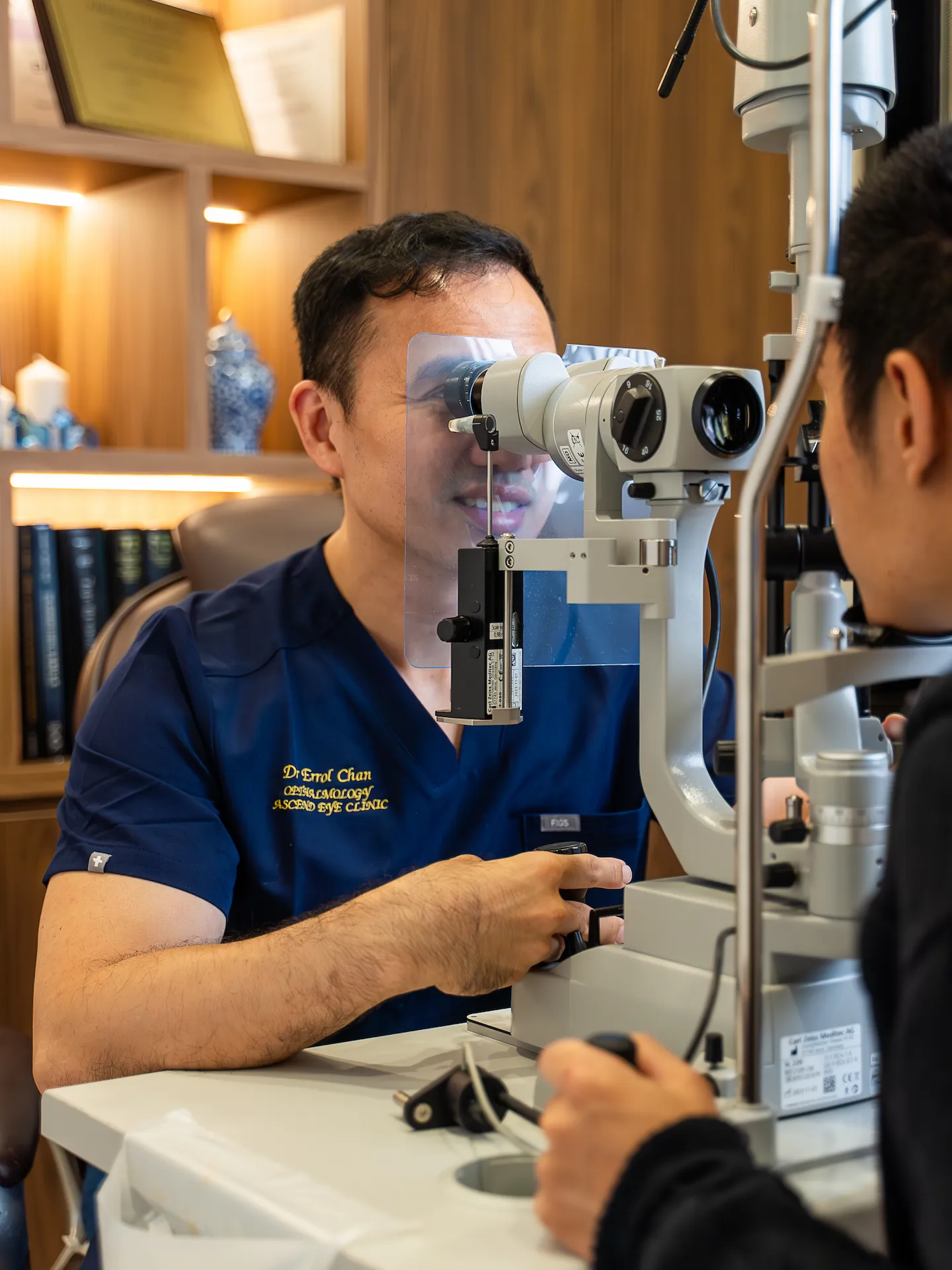
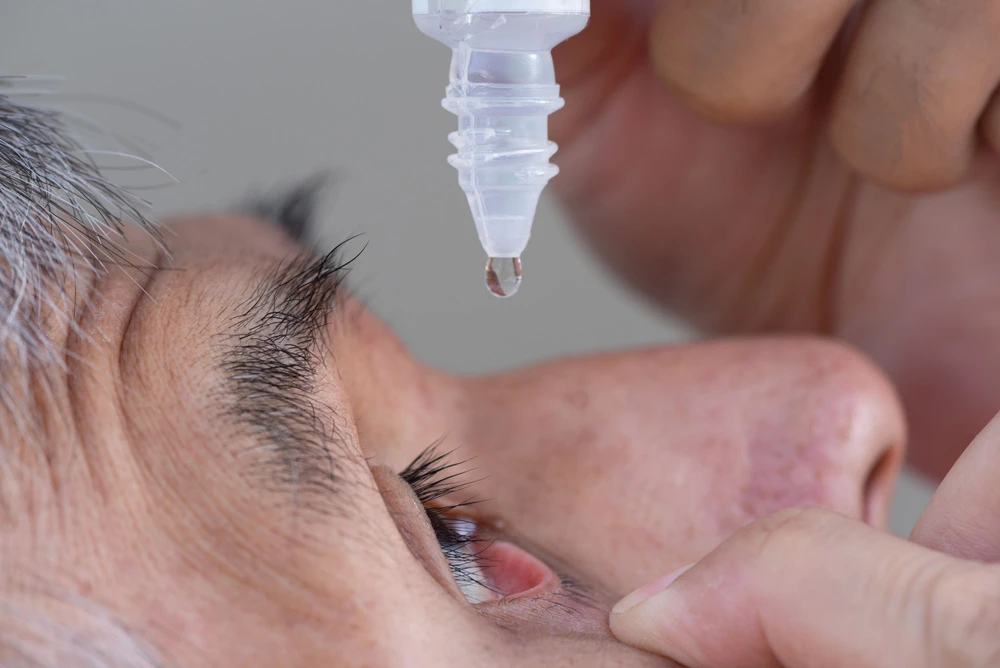
We provide a comprehensive range of dry eye treatments to improve tear-film stability, reduce inflammation, and address the underlying cause of dryness. Treatment is specifically tailored to your eye condition, and we combine different approaches where appropriate to improve comfort, support healthier tear function, and maintain a more stable ocular surface.
Prescription eye drops are used when lubricating drops alone are not enough to manage dry eye. Medications such as ciclosporin eye drops (Ikervis®) reduce inflammation on the ocular surface and support healthier tear production and tear-film stability when used regularly over time.
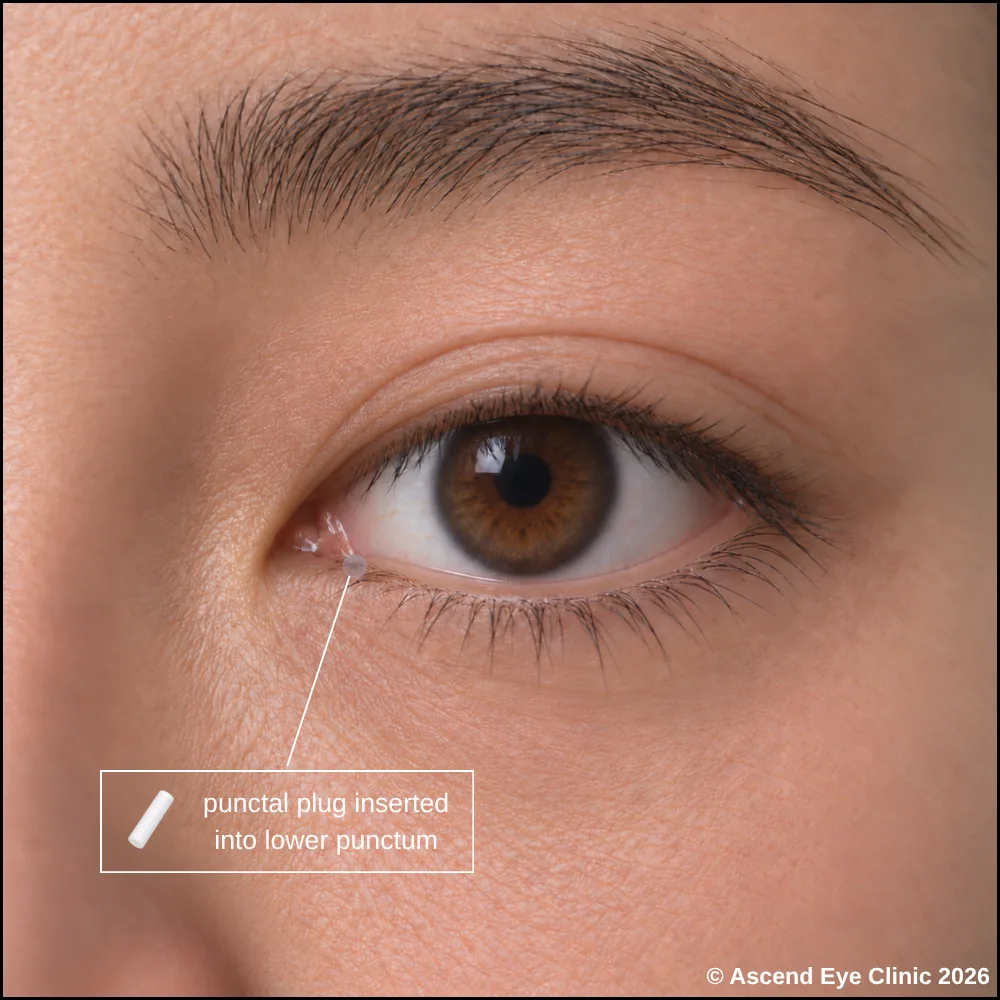
Punctal plugs are tiny silicone or dissolvable collagen devices inserted into the small tear-drainage openings of the eyelids to slow tear drainage, allowing natural tears and lubricating eye drops to remain on the eye surface for longer. The procedure takes only a few minutes and is performed in the clinic with local anaesthetic for minimal discomfort.
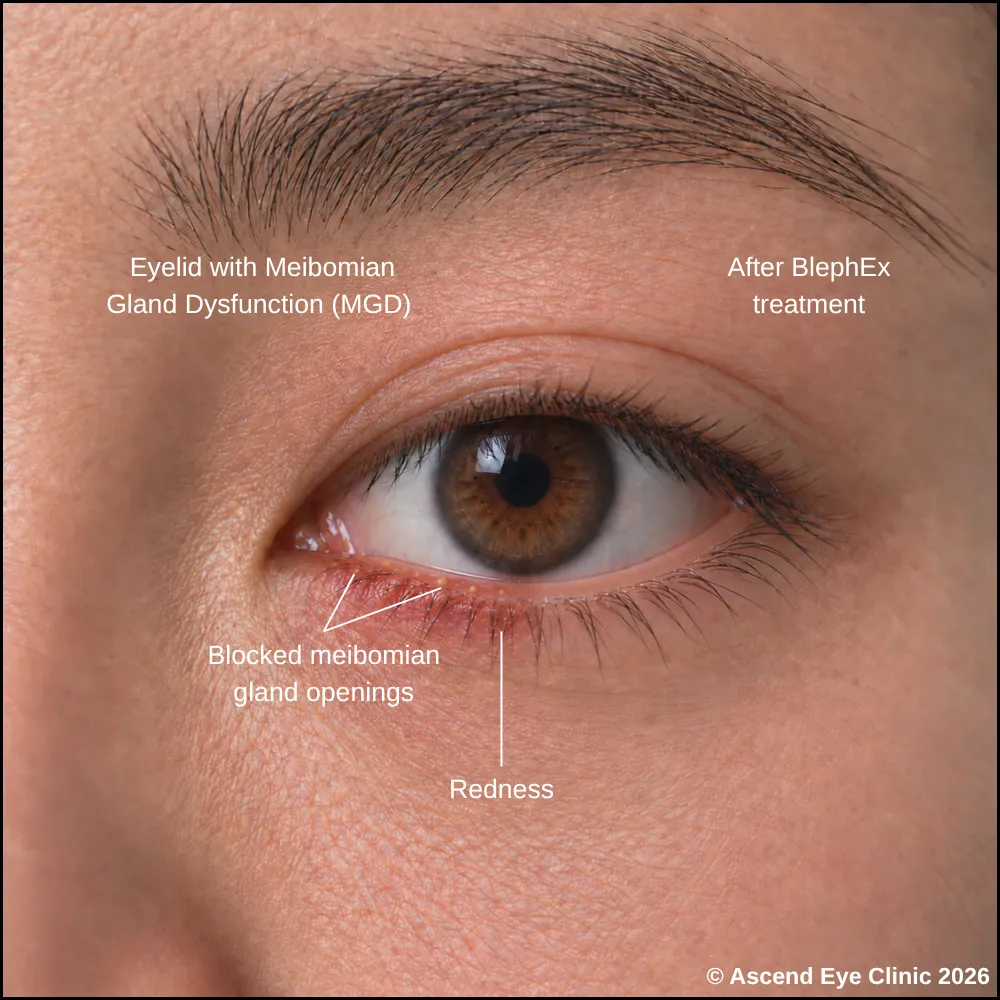
BlephEx™ is an in-clinic eyelid treatment that uses a specialised rotating medical-grade tip to gently remove crusting, debris, Demodex-associated collarettes and accumulated material from the eyelid margins and base of the eyelashes. This helps manage blepharitis, reduce the build-up associated with Demodex infestation and keep the openings of the meibomian glands cleaner, supporting healthier oil flow into the tear film.
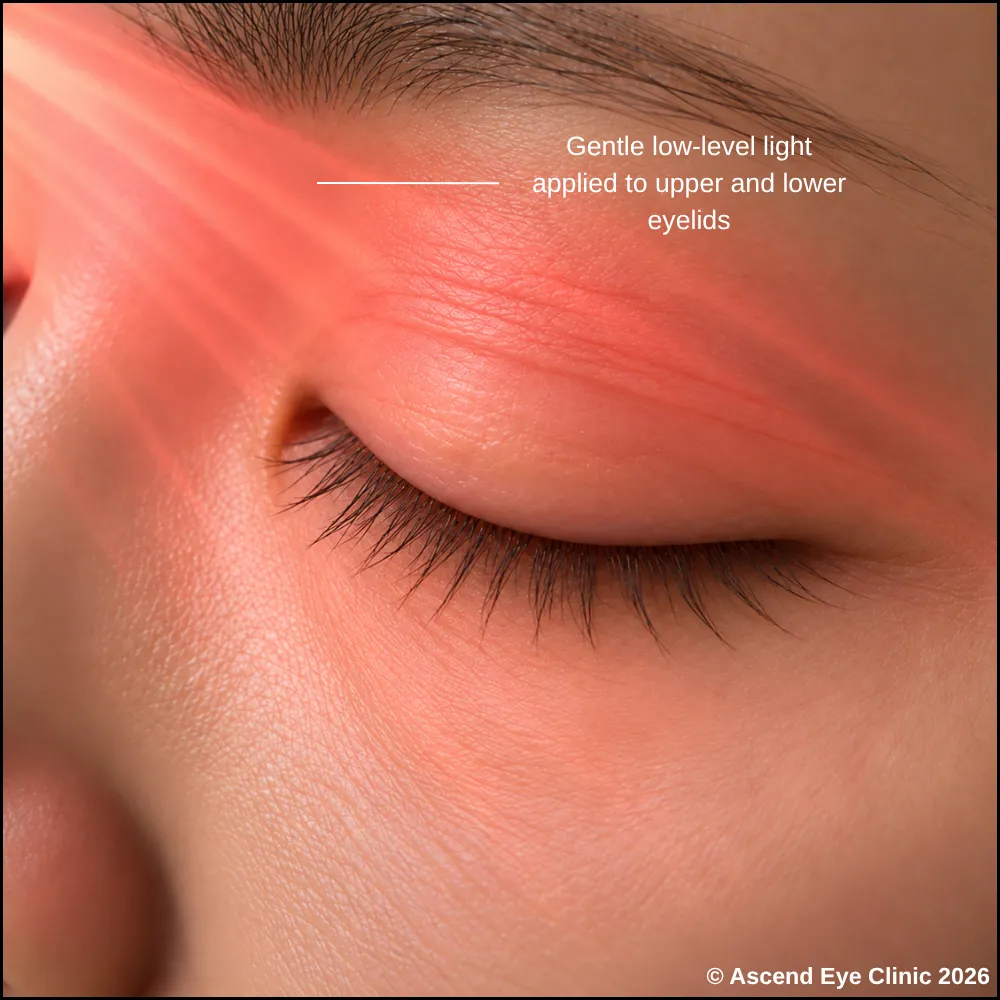
Eye-Light® utilises low-level light therapy to treat dry eye associated with meibomian gland dysfunction. Light is applied around the eyelids to help reduce inflammation, soften thickened meibomian gland oils and improve oil flow, while low-level light therapy further supports meibomian gland function and tear-film stability.
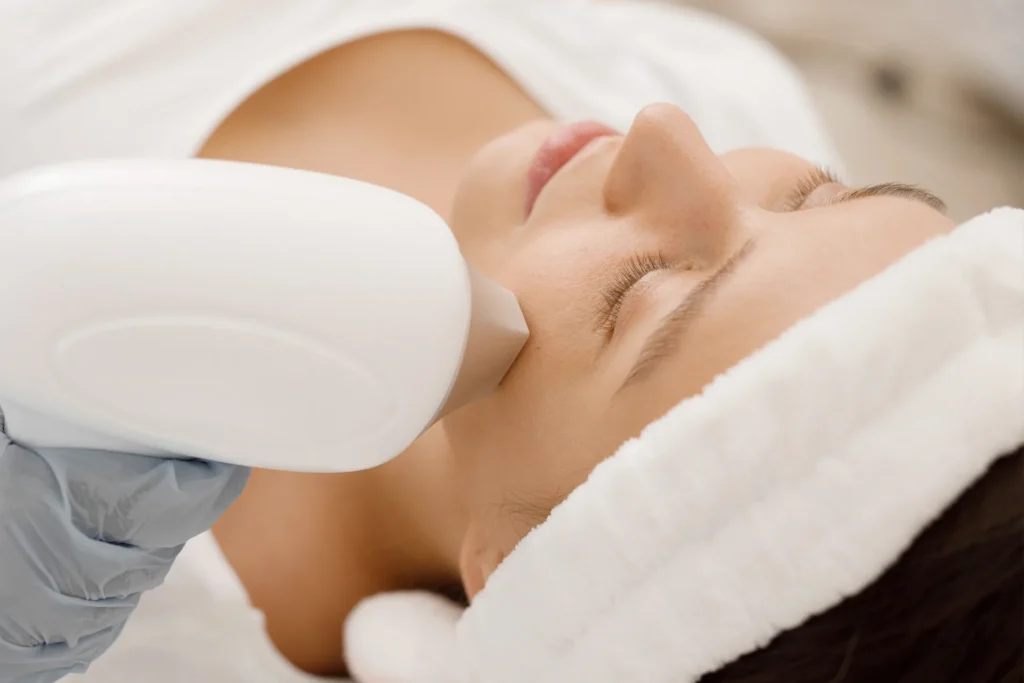
IPL treatment uses controlled pulses of light applied to the skin around the eyelids to help manage dry eye associated with meibomian gland dysfunction. The light helps reduce inflammation around the eyelids and meibomian glands, while warming and softening thickened oils to improve their flow onto the eye surface and support a more stable tear film.
Book a consultation with us today to discuss the full range of dry eye treatment options for you.
Medical Director & Senior Consultant Ophthalmologist
Ascend Eye Clinic, Singapore
Book a consultation for a detailed dry eye assessment and a personalised treatment plan based on your tear film, eyelid health and underlying cause of dryness.
Dry eye develops when the eyes do not produce enough tears or when tears evaporate too quickly. Common causes include ageing, prolonged screen use, contact lens wear, blocked eyelid glands, certain medications and dry or air-conditioned environments.
Dry eye is often a long-term condition, although its severity can change over time. Some people experience occasional episodes, while others require ongoing treatment to keep the eyes comfortable and the tear film stable.
Yes. Dry eye can become more persistent when the underlying cause is not addressed, particularly when there is ongoing eyelid gland dysfunction, inflammation or frequent exposure to factors that increase tear evaporation.
Yes. Tear production and the glands responsible for maintaining a healthy tear film change with age, making dry eye increasingly common over time.
Prolonged screen use contributes to dry eye because we blink less frequently and less completely while concentrating. This allows tears to evaporate more quickly and leaves the eye surface exposed for longer.
Yes. Contact lenses interact directly with the tear film and can make dryness more noticeable, particularly when the eyes are already prone to tear-film instability.
Yes. Air-conditioning lowers humidity and increases evaporation from the eye surface. Direct airflow from fans and air-conditioning vents also makes dryness more noticeable.
Yes. Some medications reduce tear production or affect the stability of the tear film. These include certain antihistamines, acne medications, antidepressants and blood pressure medications.
A dry and irritated eye surface can trigger reflex tearing. These extra tears are mainly watery and do not provide the balanced lubrication needed to keep the eye comfortable, so watering and dryness can occur together.
Yes. The tear film forms a smooth optical surface at the front of the eye. When it becomes unstable, vision can fluctuate or become blurry, particularly during reading, screen use or prolonged concentration.
Persistent dry eye can cause ongoing inflammation and damage to the surface of the cornea and conjunctiva. Treating the condition helps protect the eye surface as well as improve comfort.
Dry eye commonly affects both eyes, although one eye can feel noticeably worse than the other. Differences in eyelid function, tear production or the condition of the eye surface can make symptoms uneven.
We assess your symptoms together with the eye surface, tear film and eyelid glands. Tear-film measurements and imaging help us identify whether dryness is present and determine what is contributing to it.
Yes. Treatment focuses on improving lubrication, reducing excessive tear evaporation, treating eyelid gland dysfunction and controlling inflammation. The treatment plan depends on the underlying cause and severity of the dryness.
This depends on the cause. Some episodes settle once the trigger is removed, while chronic dry eye requires ongoing management. With appropriate treatment, the condition can be controlled and symptoms significantly reduced.
Hi, I would like to book a consultation with Dr Errol Chan from Ascend Eye Clinic
