
Lazy eye can affect how vision develops during childhood. Early assessment helps identify the cause and allows treatment to begin while the visual system is still developing.
Strabismus, commonly known as a squint, is a condition in which the eyes are not properly aligned and do not look in the same direction at the same time. One eye remains straight while the other turns inward, outward, upward or downward.
The eye turn can be constant or appear only at certain times, such as when your child is tired, unwell, daydreaming or concentrating. Some children also adopt a head tilt, face turn, raised chin or close one eye to see more comfortably.
Causes of strabismus include:
Sudden eye misalignment, especially when accompanied by reduced vision, headache, vomiting, weakness or unusual behaviour, requires urgent medical assessment.

A squint is not always present throughout the day. It often becomes more noticeable when your child is tired, unwell or daydreaming. Look out for:
Some young children have facial features that create the appearance of a squint even when the eyes are properly aligned. An eye examination confirms whether a true squint is present.
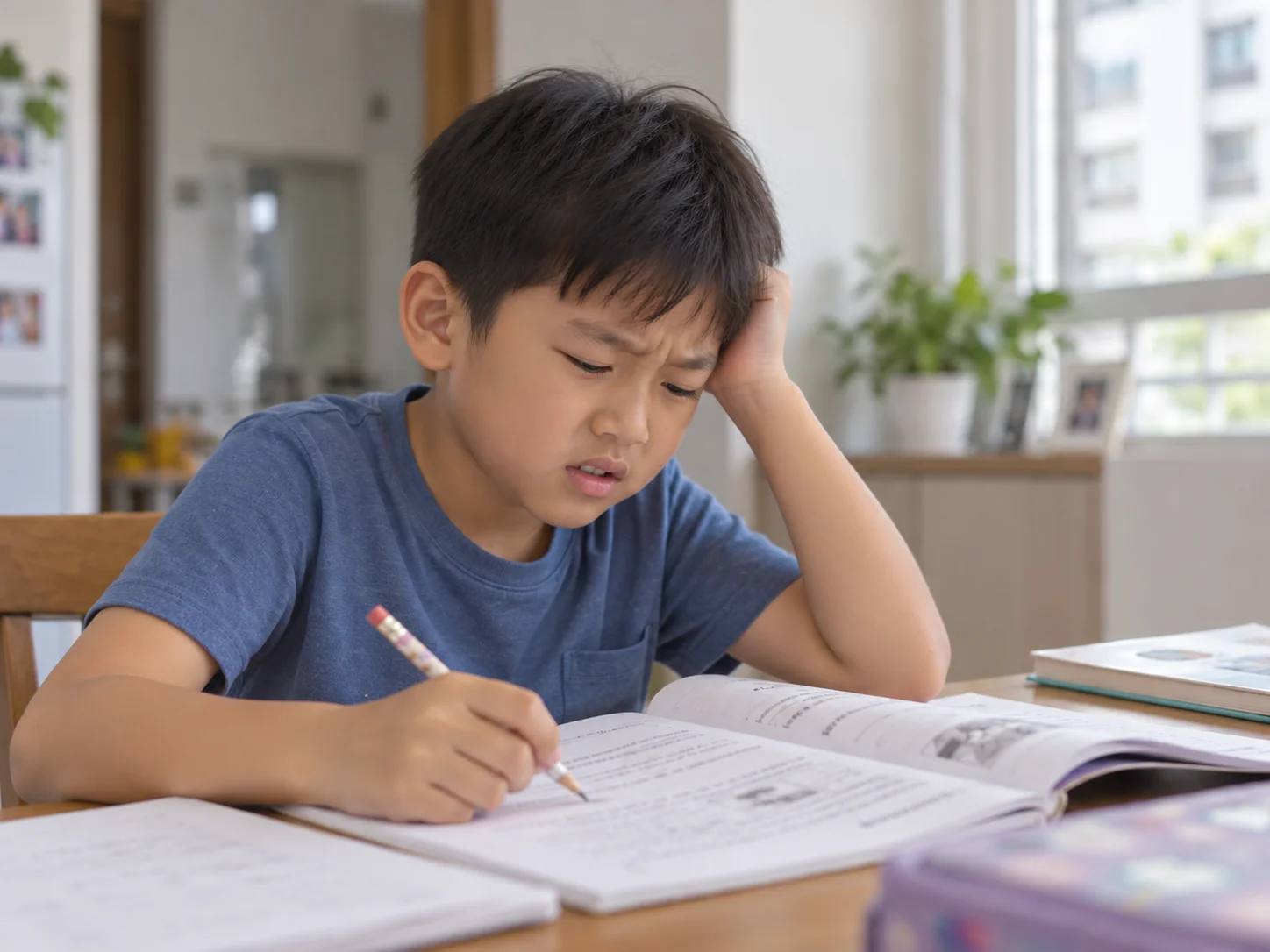
Our team will assess your child’s vision, prescription and how well their eyes align and work together, adapting each test according to their age, comfort and ability to cooperate.
Measures how clearly your child can see in each eye and identifies whether one eye has reduced vision.
Checks for long-sightedness, short-sightedness and astigmatism that may contribute to an eye turn. Cycloplegic eye drops can be used to temporarily relax the focusing muscles and obtain an accurate prescription.
Assesses depth perception and how effectively both eyes are working together to form three-dimensional vision.
Assesses the position of each eye and how they move together. Cover tests are used to identify the direction and size of the eye turn at different viewing distances.
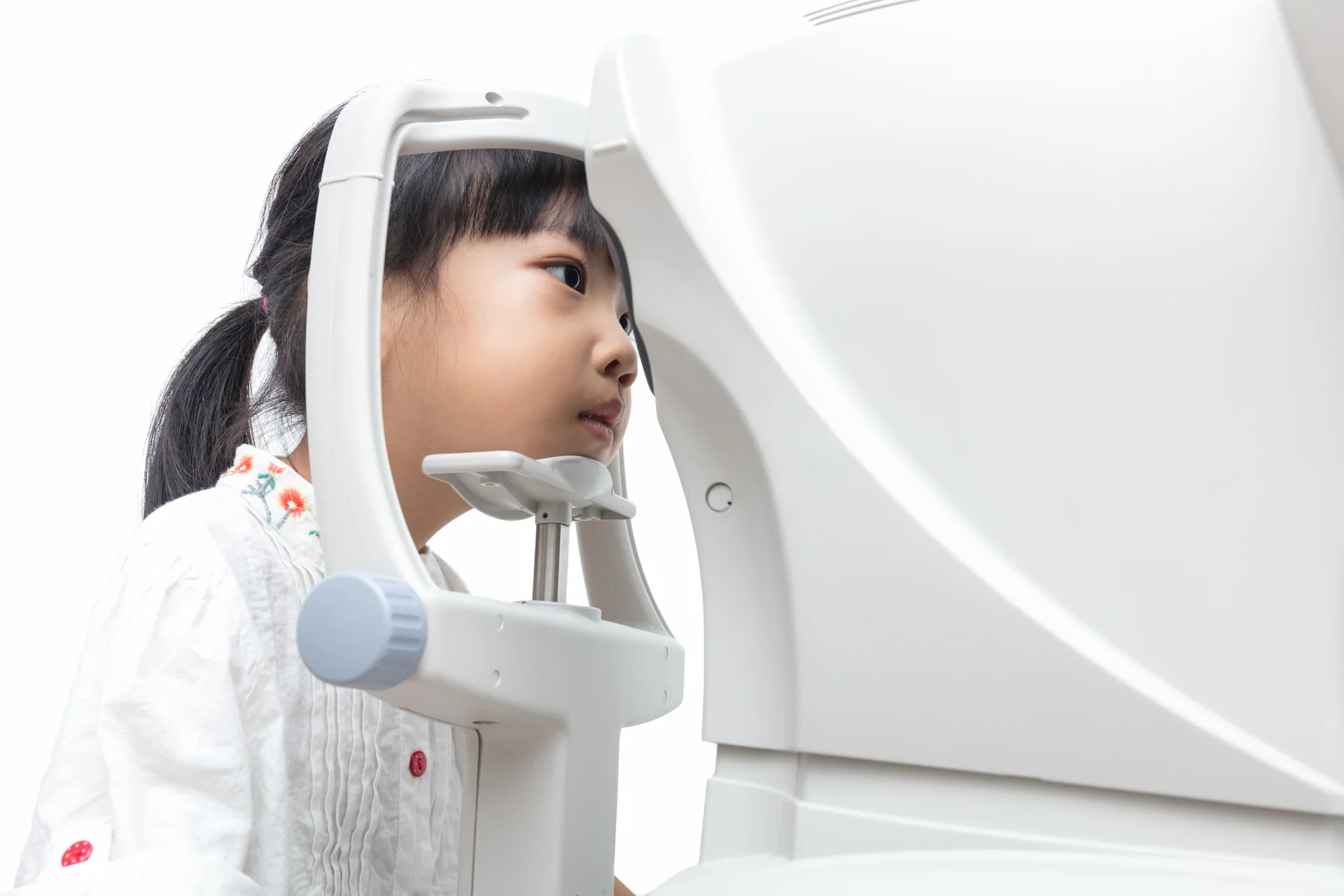
Treatment is personalised according to your child’s age, vision, type of strabismus and ability to use both eyes together. Early treatment protects visual development and reduces the risk of amblyopia.
Glasses correct long-sightedness, short-sightedness or astigmatism. For some children, particularly those with an inward eye turn related to long-sightedness, wearing the correct glasses also improves or fully corrects the eye alignment.
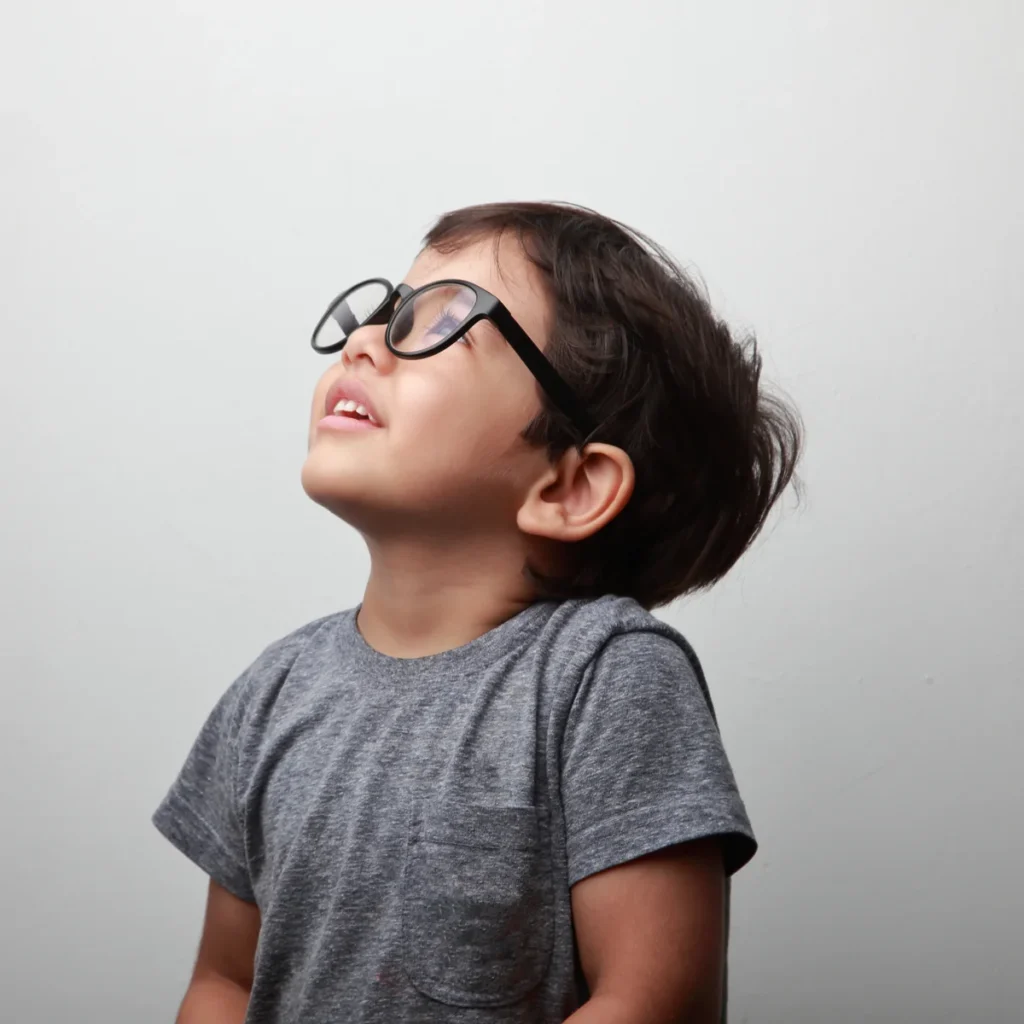
Eye exercises are used to improve how well the two eyes work together in selected types of strabismus. They may help strengthen eye coordination, improve control of an intermittent eye turn and support binocular vision where both eyes are able to work together.
Exercises are usually prescribed for specific problems with eye teaming or focusing and need to be performed regularly for the best effect. However, they are not suitable for every type of strabismus and will not correct an eye turn caused by all underlying conditions. We will advise whether eye exercises are appropriate based on the type and severity of the misalignment.
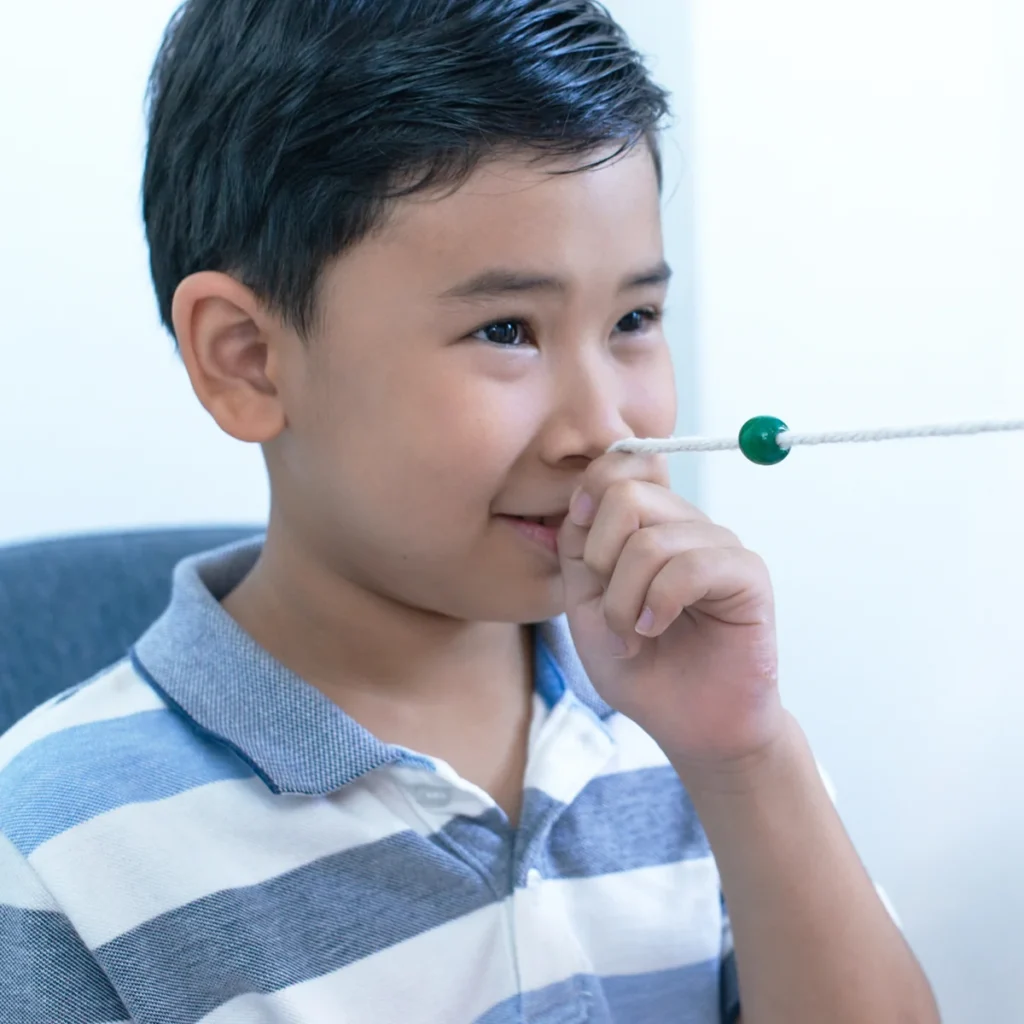
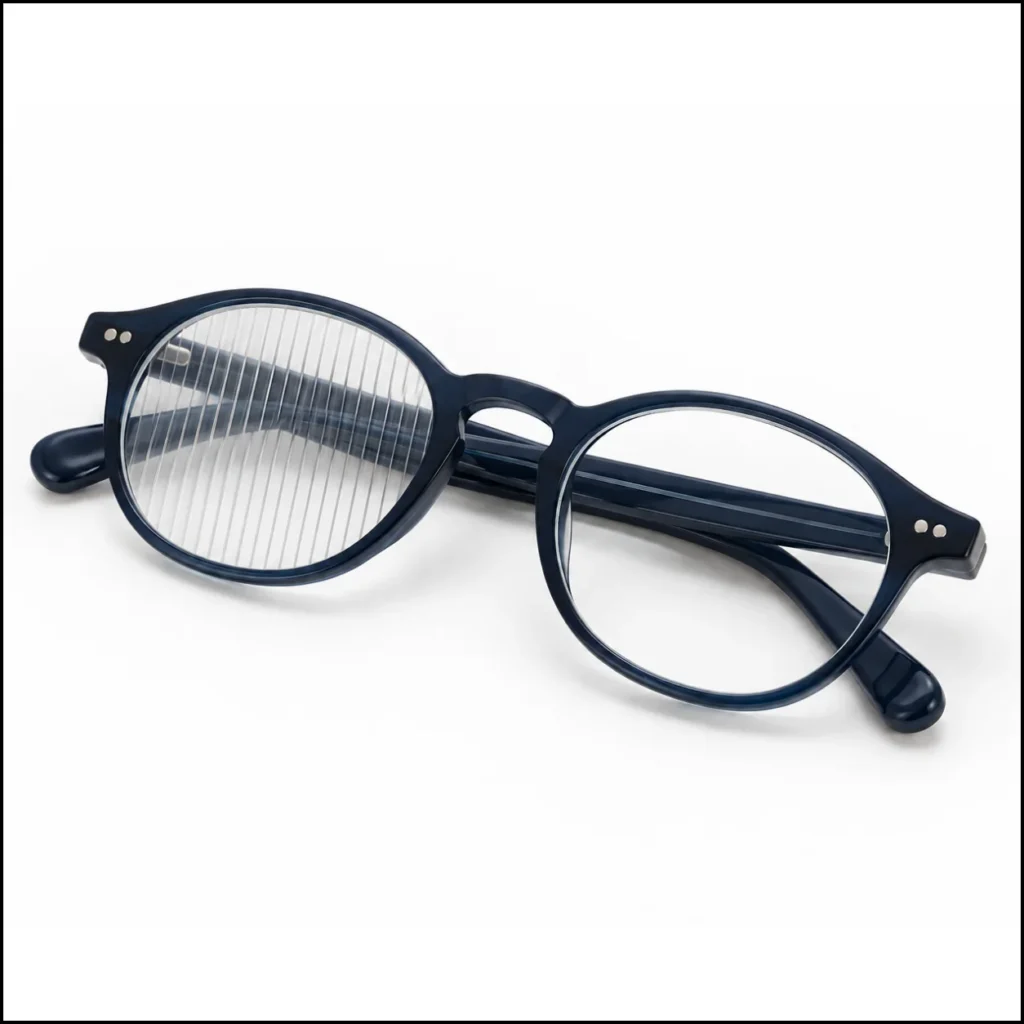
Prism lenses are special lenses that alter the direction of light entering the eyes, helping the images seen by each eye to line up more closely. This can reduce or relieve double vision without physically changing the position of the eyes.
They are mainly prescribed for older children who experience diplopia and may be useful for certain small or stable patterns of strabismus. Prisms can be incorporated into spectacle lenses or used temporarily as a thin prism layer applied to the surface of the glasses. The amount of prism required is determined during the eye examination and may be adjusted as the eye alignment changes.
Surgery is recommended when glasses and other treatments do not provide sufficient alignment, or when the strabismus affects binocular vision, causes double vision or results in an abnormal head posture. Surgery is also considered when the eye turn becomes more frequent, control worsens or the alignment causes significant social or emotional concerns.
During surgery, the muscles attached to the outside of the eye are repositioned, tightened or loosened to improve alignment. The eye remains securely in its socket throughout the procedure. Surgery is performed under general anaesthesia, and your child can return home on the same day.
Strabismus surgery improves eye alignment, but it does not replace glasses or amblyopia treatment. Some children continue wearing glasses or using an eye patch before or after surgery.

From your child’s first consultation to treatment and follow-up care, our team will guide you and your child through each stage of the journey. We are experienced in examining and caring for children and will adapt the consultation according to your child’s age, level of comfort and individual needs.
We understand that eye examinations can sometimes feel unfamiliar to children. Our team takes a calm, patient and reassuring approach, allowing time for your child to become comfortable while keeping parents informed throughout their care.
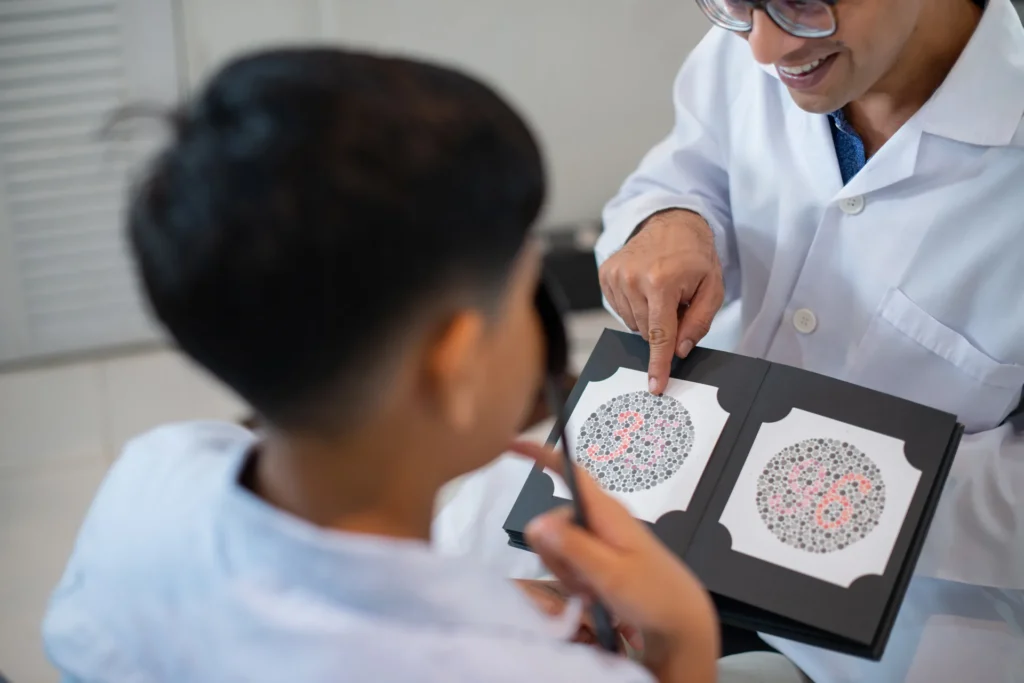
Your child’s consultation begins with an assessment of their vision, visual development and overall eye health. Depending on their age and condition, this may include measurements of vision and eye alignment, assessment of refractive error, examination of the front and back of the eyes, and diagnostic imaging where appropriate.
Children respond differently to eye examinations, so we will adapt the way each test is performed according to your child’s age and ability to cooperate. Our team will guide your child through each step patiently and carefully, while explaining the findings to you in a clear and understandable way.
Every child develops differently, and treatment is planned according to your child’s diagnosis, age, visual development and individual needs.
Depending on the condition, treatment may include glasses, amblyopia therapy, myopia control, eye drops, monitoring or other forms of treatment. We will explain the recommended approach, what it aims to achieve and what you can expect over time, while giving you the opportunity to discuss any questions or concerns.
Once treatment begins, our team will provide clear guidance on how it should be carried out at home and what to expect along the way. This may include advice on wearing glasses, using eye patches or eye drops, or following a myopia control programme.
We understand that children may need time to adjust to treatment. We will work closely with you to make the process as manageable and comfortable as possible, while adapting our approach according to your child’s needs and response.
Some paediatric eye conditions may require a procedure or surgery. If this is recommended, we will explain why it is needed, what the procedure involves and how your child will be cared for before, during and after treatment.
The type of anaesthesia and surgical setting will depend on your child’s age and the procedure being performed. Our team will guide you through the necessary preparations and work closely with the surgical team to help make the experience as smooth and reassuring as possible for your child.
Children’s eyes continue to grow and develop, so regular follow-up is an important part of paediatric eye care. Follow-up visits allow us to monitor your child’s vision, eye alignment, refractive changes and response to treatment over time.
We will adjust treatment where needed as your child grows and their visual needs change. Our team will continue to support both you and your child throughout their care, providing clear guidance and addressing any concerns along the way.
An eye turn that appears constantly or comes and goes deserves a proper assessment. Early diagnosis allows treatment to begin while your child’s vision is still developing.
Book a consultation at Ascend Eye Clinic for a detailed assessment of your child’s vision and eye alignment. We will explain the findings clearly and recommend a treatment plan suited to your child’s needs.
No. Strabismus refers to eyes that are not properly aligned. Amblyopia, commonly called lazy eye, refers to reduced vision caused by abnormal visual development. Strabismus can lead to amblyopia when the brain repeatedly suppresses the image from the misaligned eye.
Most forms of strabismus do not disappear without assessment or treatment. Certain focusing-related inward squints improve as a child grows and becomes less long-sighted, but this cannot be predicted reliably. Regular eye examinations remain important.
Yes. An intermittent squint can affect eye coordination, depth perception and visual development even when the eyes appear straight at other times. Treatment depends on how often the eye turns, how well your child controls it and whether vision is affected.
Glasses fully correct some inward-turning squints associated with long-sightedness. Other children achieve partial improvement and require additional treatment. The eye alignment should be assessed while your child is wearing the correct prescription.
Covering the stronger eye encourages the brain to use the weaker eye. This strengthens visual development in the eye affected by amblyopia.
Patching primarily improves vision in the weaker eye. It does not directly reposition the eye muscles. Better and more balanced vision can support alignment, but glasses or surgery remain necessary for some children.
The prescribed duration depends on your child’s age, the difference in vision between the eyes and their response to treatment. Follow the recommended schedule rather than increasing or reducing patching time without medical advice.
No. Eye exercises are effective for selected coordination problems, such as convergence insufficiency. They do not correct every inward, outward or vertical eye turn.
Surgery is considered when the eye misalignment remains significant despite glasses, affects binocular vision, causes double vision or produces an abnormal head posture. Increasing frequency, worsening control and the impact on your child’s confidence are also considered.
There is no single best age for every child. The timing depends on the type of strabismus, its severity, visual development and the risk of losing binocular vision. Constant early-onset strabismus often requires treatment during early childhood.
When your child is tired, unwell or concentrating for long periods, their ability to control eye alignment can be reduced. This can make an intermittent squint appear more frequently or become more noticeable.
Surgery is performed on one or both eyes depending on the pattern and size of the misalignment. Operating on both eyes does not mean that both eyes have poor vision. It allows the muscles to be balanced for the best possible alignment.
Children who require glasses for clear vision usually continue wearing them after surgery. Surgery changes the pull of the eye muscles but does not remove long-sightedness, short-sightedness or astigmatism.
Eye alignment can change as your child grows. Some children require further treatment or another operation to maintain or improve alignment. Follow-up examinations allow these changes to be identified early.
Seek urgent medical attention when your child develops a sudden eye turn together with double vision, reduced vision, severe headache, vomiting, weakness, difficulty walking or unusual behaviour. Sudden-onset strabismus can be associated with a nerve or neurological condition.
Hi, I would like to book a consultation with Dr Errol Chan from Ascend Eye Clinic
