
Glaucoma treatment lowers eye pressure and helps protect the optic nerve from further damage, preserving vision for the long term. We offer a comprehensive range of treatment options, tailored to the type and severity of your glaucoma.
Glaucoma refers to a group of conditions that slowly damage the optic nerve, the pathway that carries visual signals from your eyes to your brain. This damage is often linked to increased eye pressure, though in some cases, it can occur even when eye pressure is within the normal range.
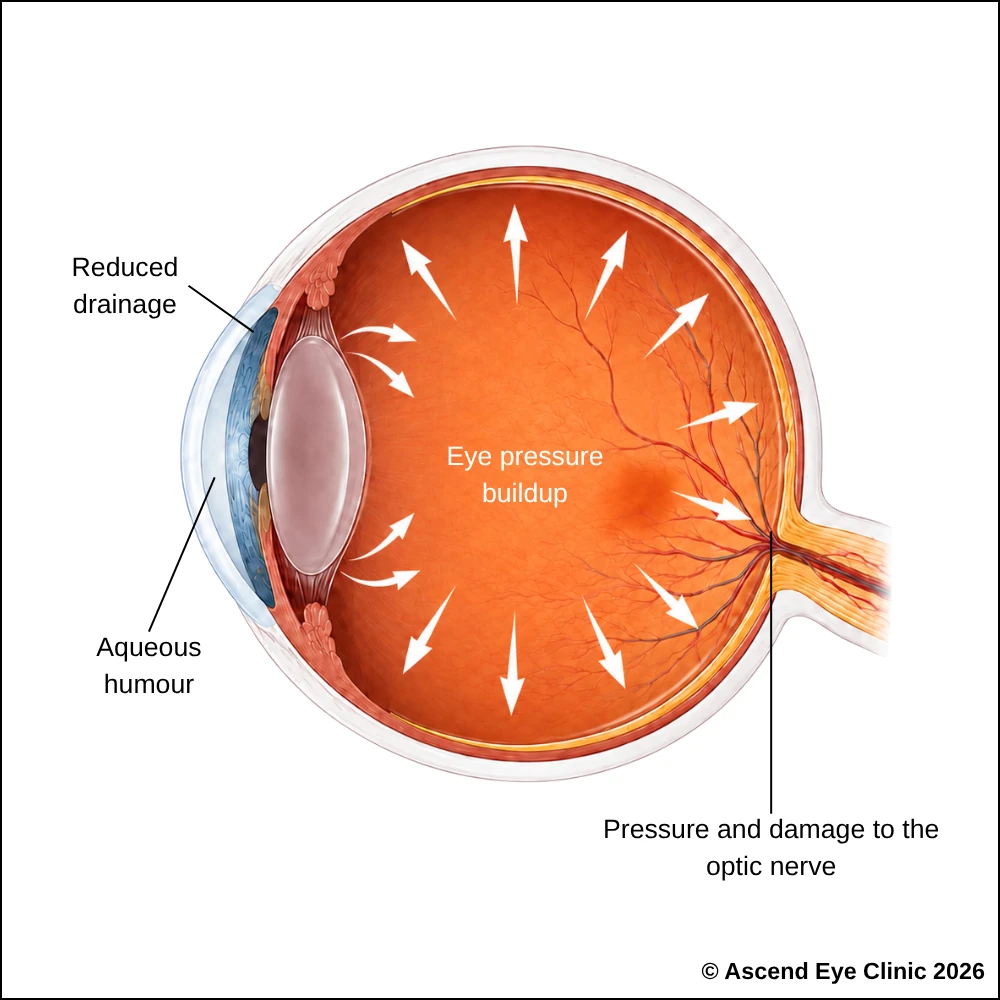
Glaucoma comes in several forms, each defined by how fluid drains from the eye and how it affects the optic nerve. Having an accurate diagnosis in your specific glaucoma type allows us to recommend the most effective treatment to protect your vision.
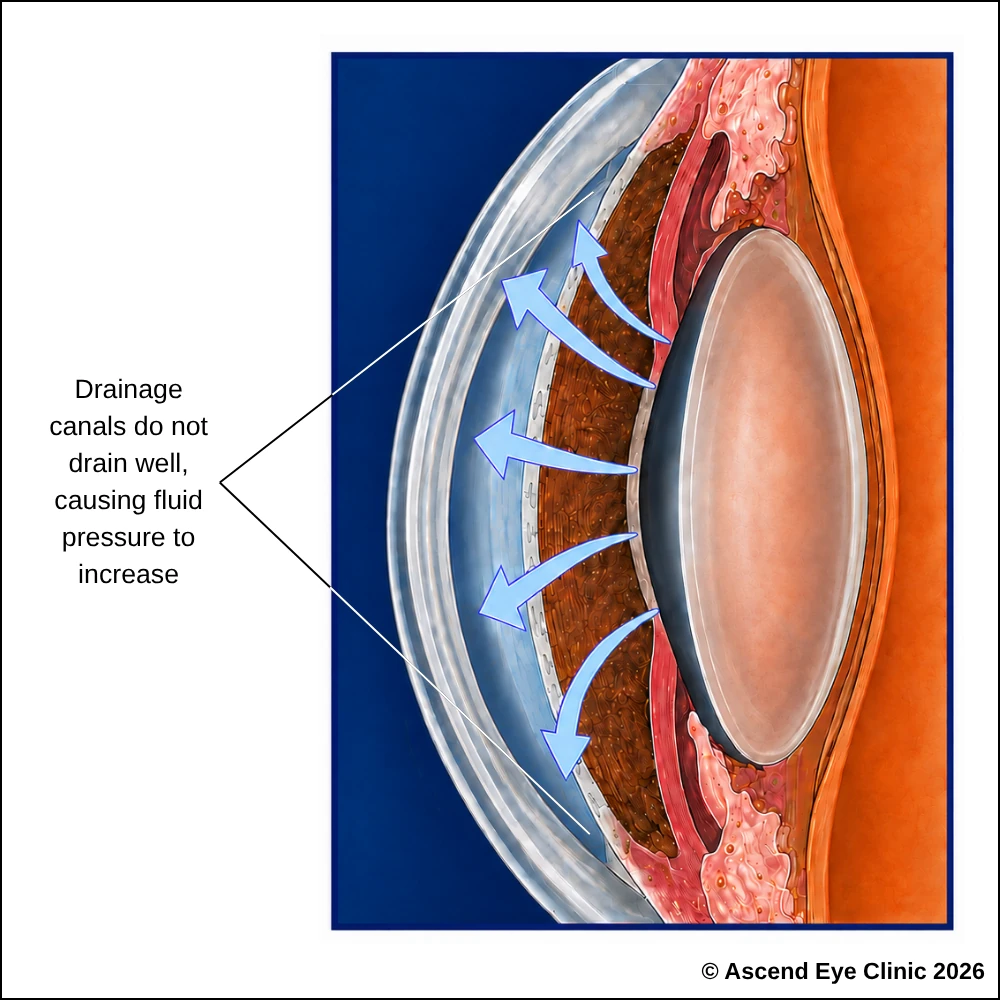
The most common type, developing when drainage channels become less efficient, causing eye pressure to build up slowly over time.
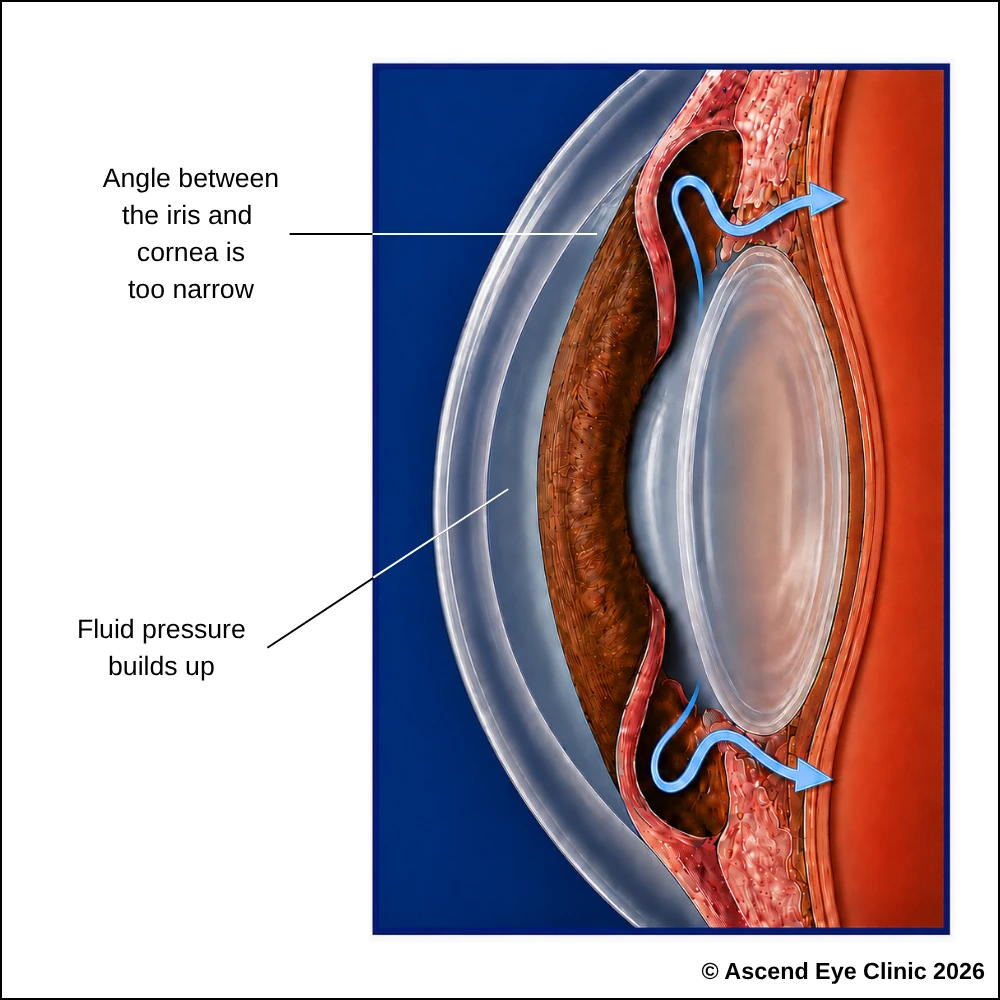
Occurs when the iris blocks the drainage angle, either suddenly (acute) or over time (chronic), causing eye pressure to rise.
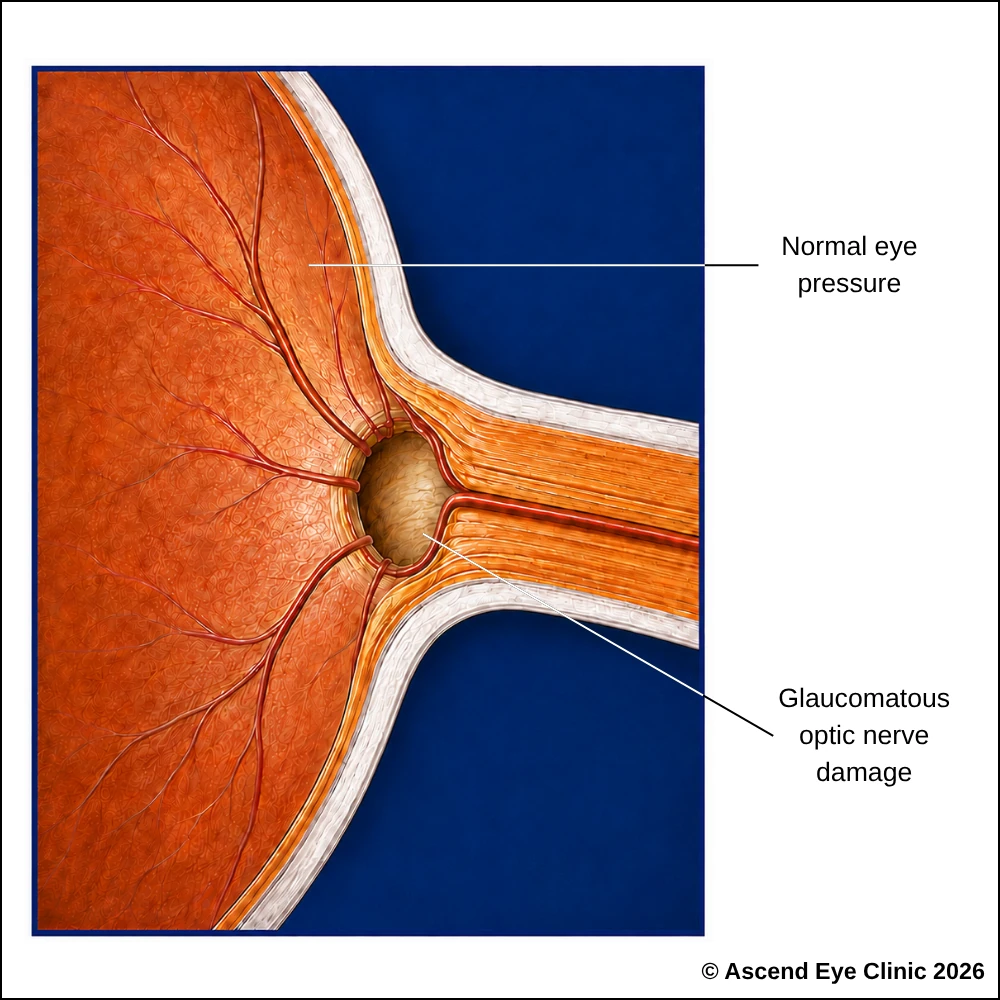
Optic nerve damage occurs even though eye pressure stays within the normal range.
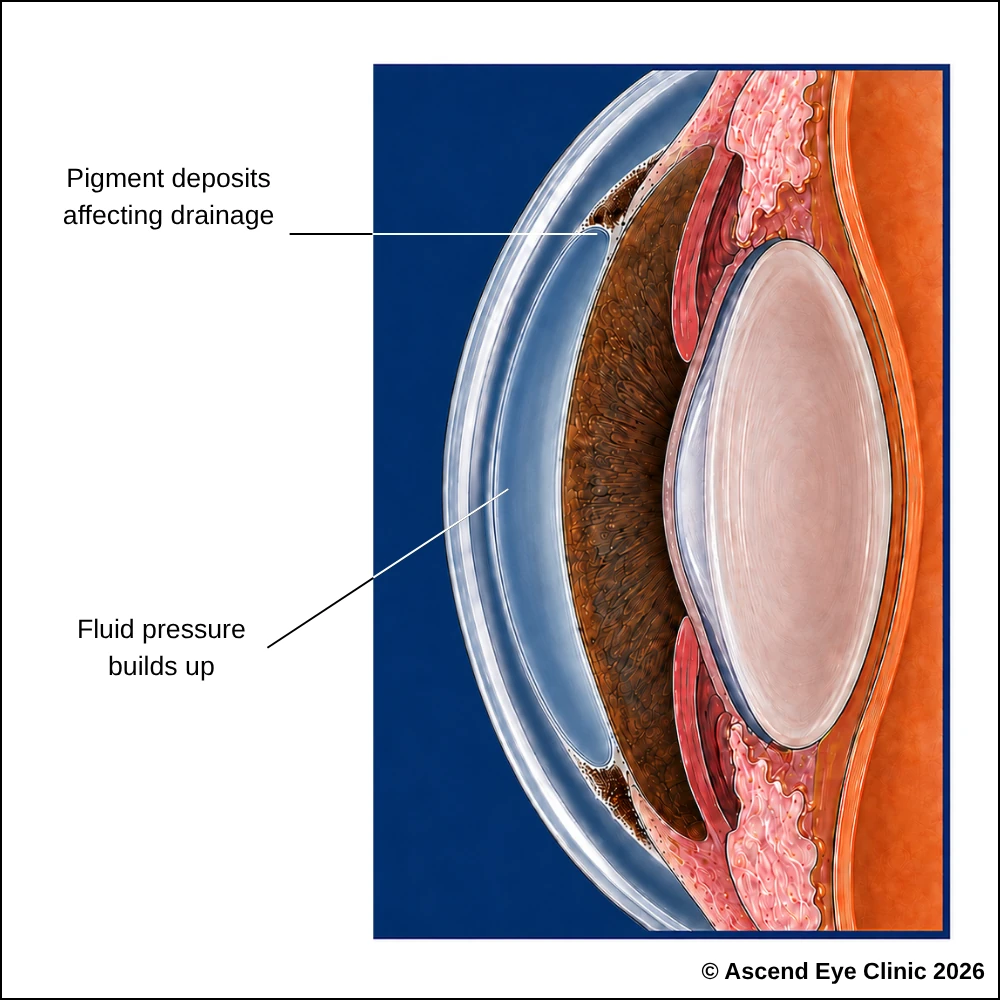
Develops as a result of other eye conditions including inflammation, injury, long term use of medications, vascular or diabetic conditions in the eye.

Glaucoma can affect anyone, but certain factors increase your risk. Because glaucoma often develops without noticeable symptoms in its early stages, regular screening is especially important if you have one or more of these risk factors.
This includes:
Early detection allows glaucoma to be treated before significant vision is lost, helping to preserve your sight for the long term.




Glaucoma often causes no symptoms, earning it the nickname “the silent thief of sight”. As glaucoma progresses, you may notice a gradual loss of peripheral vision, blurred vision, increasing difficulty seeing in dim light or at night, and eye discomfort or pressure when the eye pressure is significantly elevated.
Medical Director & Senior Consultant Ophthalmologist
Ascend Eye Clinic, Singapore
Glaucoma assessment involves more than measuring eye pressure alone. We use a combination of detailed clinical examination and advanced diagnostic imaging to assess the optic nerve, retinal nerve fibres, and visual field. Our diagnostic equipment allows us to establish an accurate baseline and detect subtle changes over time.
Measures how clearly you can see and provides a baseline of your central vision.
Measures the pressure inside the eye, known as intraocular pressure. Eye pressure is an important part of glaucoma assessment, but it is interpreted together with detailed imaging of the optic nerve.
Using our Optical Coherence Tomography device, we obtain high-resolution scans of the retinal nerve fibre layer surrounding the optic nerve. This allows us to identify areas of thinning associated with glaucoma and precisely compare measurements across future visits.
The OCT device provides detailed imaging of the macula and ganglion cell layers. This gives us another way of assessing the retinal nerve cells affected by glaucoma while checking for other macular conditions that can influence vision.
We examine and document the optic nerve and retina using detailed fundus imaging. This allows us to assess the optic disc for features of glaucomatous damage and maintain a photographic record for comparison over time.
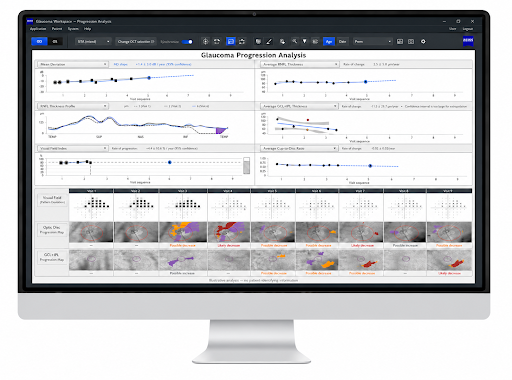
Using a visual field analyser, we map your central and peripheral visual field to identify characteristic areas of vision loss. Repeated testing helps us determine whether glaucoma remains stable or is progressing.
In addition to intraocular pressures, we use a specialised glaucoma progression analysis algorithm to track visit-to-visit changes over time. By monitoring both changes in visual field and structural changes to the optic nerve, we can better identify signs of glaucoma progression early and adjust treatment when needed.
In approaching every individual with glaucoma, we will carefully review your case and discuss with you possible treatment options. Different treatment options are available as glaucoma varies in its cause, severity, and response to therapy, requiring a customised approach. In some patients, more than one approach may be used together to achieve better pressure control.
Medicated eye drops are commonly used as the first line of treatment for glaucoma. These medications work by lowering eye pressure, either reducing the fluid produced in the eye or improving the drainage of fluid through the eye’s natural outflow pathways. Lower eye pressure reduces stress on the optic nerve.
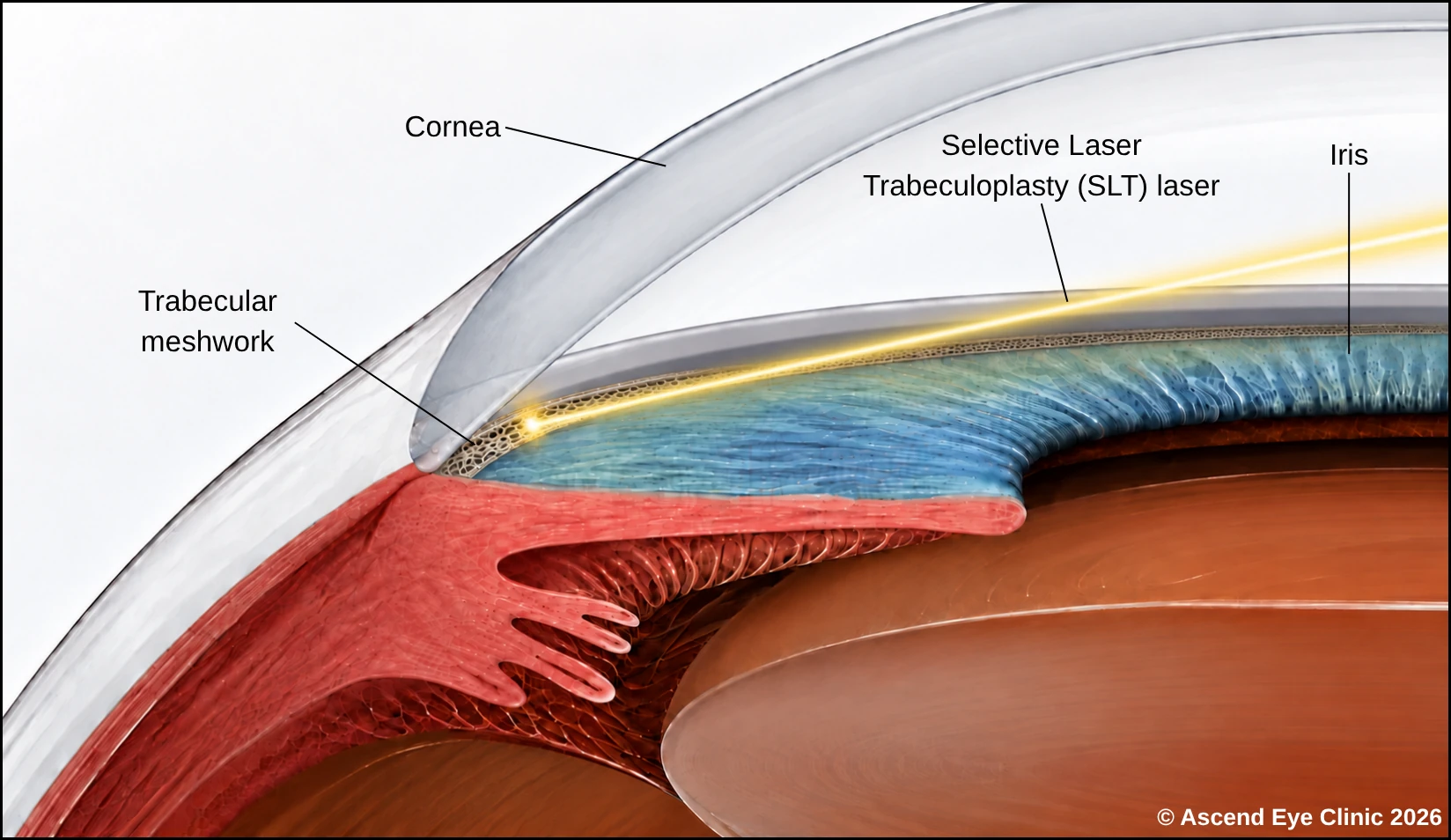
Selective Laser Trabeculoplasty is a procedure that aims to lower eye pressure in people with open angle glaucoma. A controlled laser is applied to specific cells within the drainage angle. This stimulates the tissues to function more effectively and improve the outflow of fluid from the eye, reducing eye pressure.
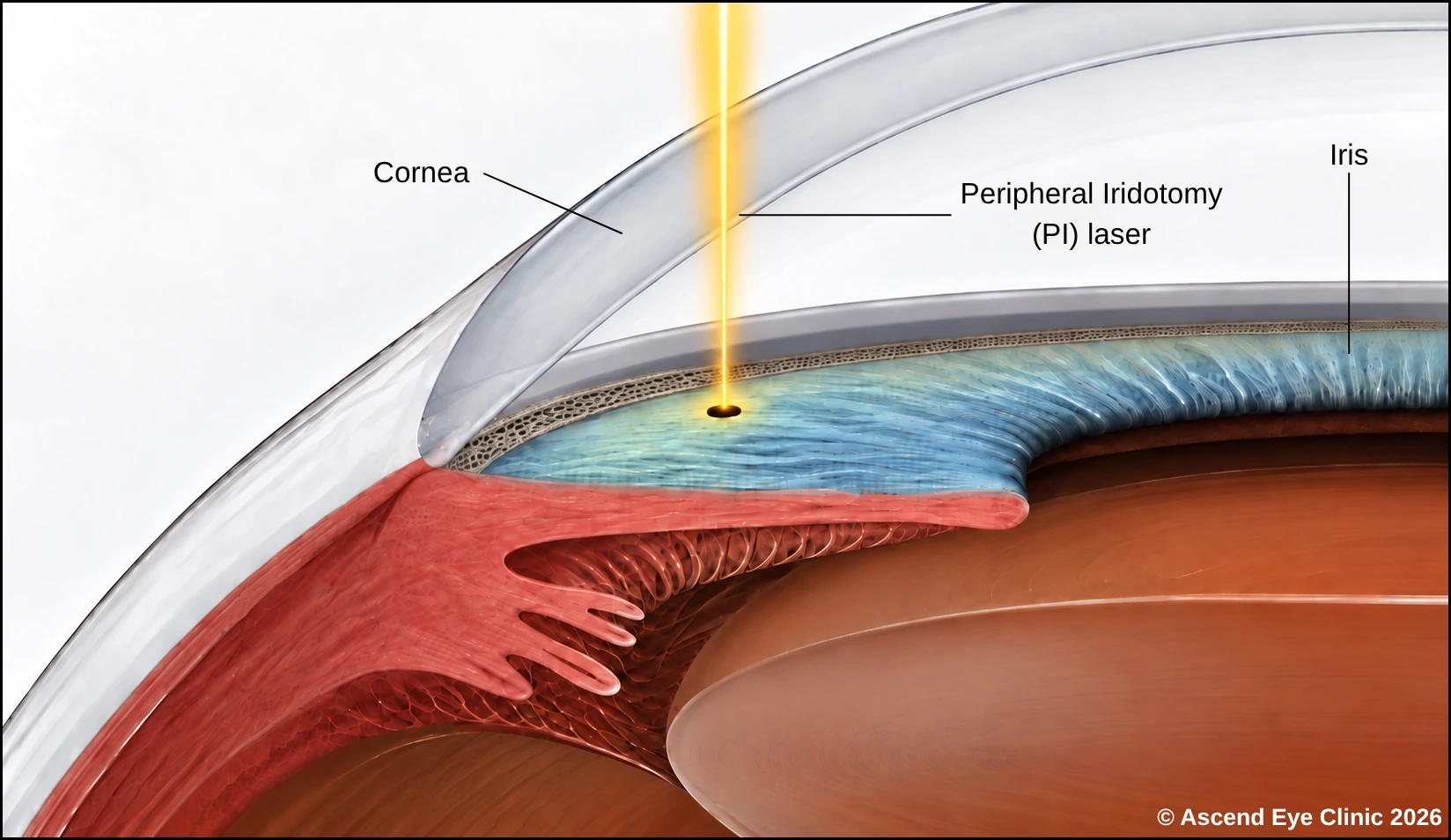
Laser Peripheral Iridotomy is a procedure that aims to lower eye pressure in people with angle closure glaucoma. It creates a small opening in the iris, relieving blockage and allowing fluid to drain more freely through the eye’s natural drainage channel. This helps bring eye pressure back down to a safer level.
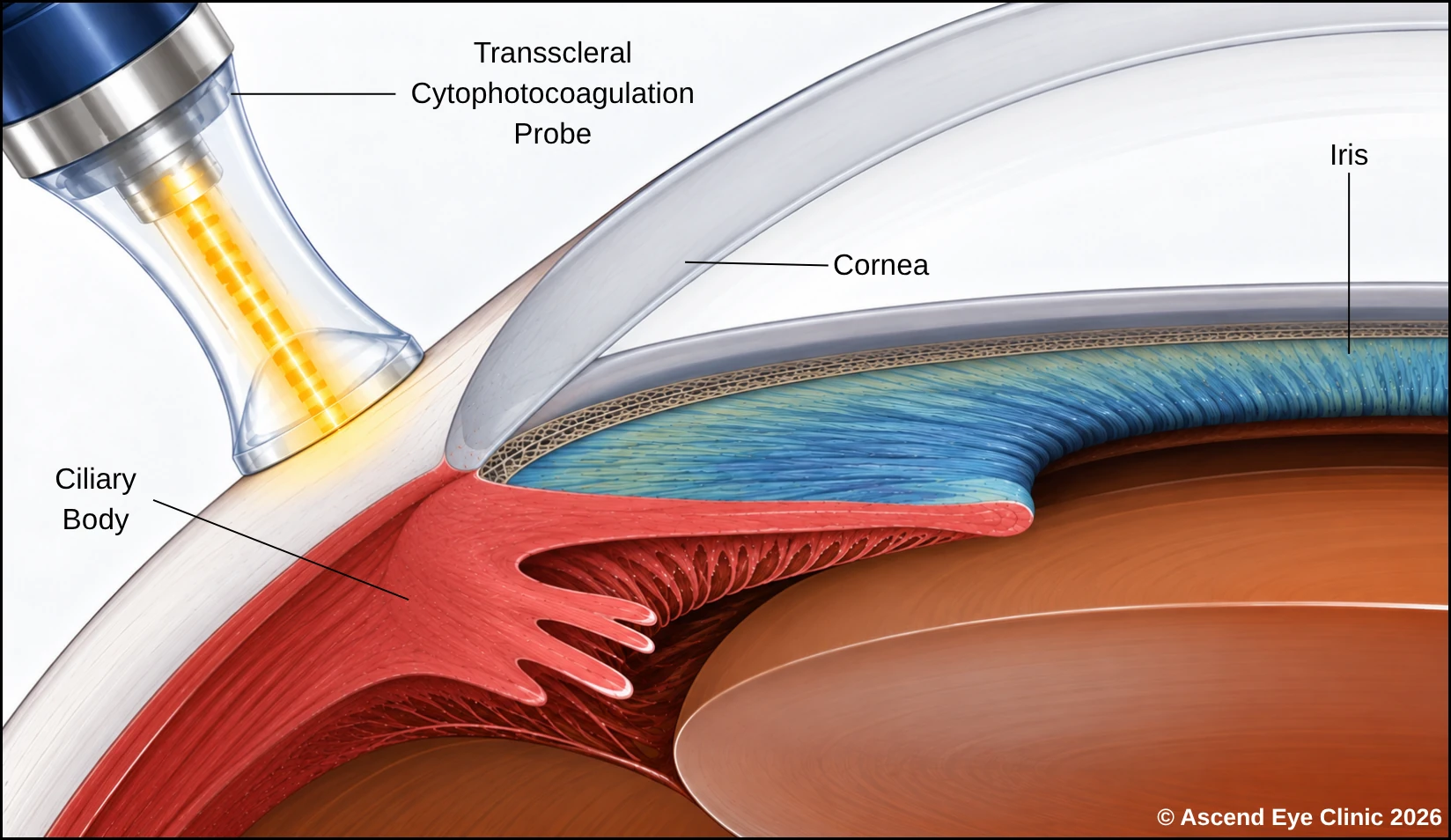
Transscleral Cytophotocoagulation (TCP) is a laser procedure used to lower eye pressure in glaucoma. A specialised probe is placed against the outside of the eye to treat the ciliary body, the structure in the eye that produces fluid. This reduces fluid production and brings the eye pressure down.
The treatment may be performed using a cycloiodide laser, which delivers continuous laser energy, or micropulse, which delivers laser energy in short pulses, allowing the tissue to cool between each pulse.
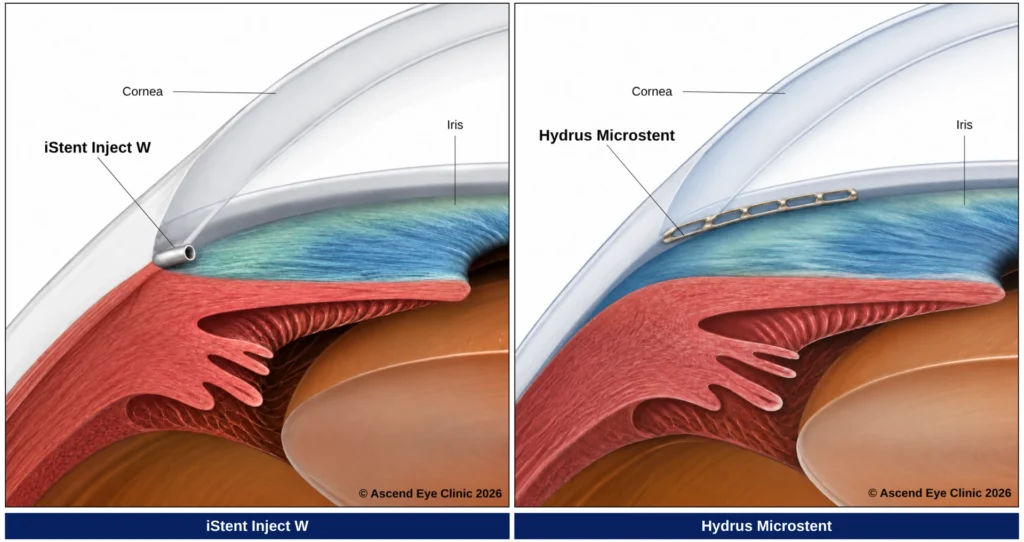
MIGS offers a safer and less invasive alternative to traditional glaucoma surgery. This allows patients to reduce or even eliminate the usage of glaucoma eye drops, offering greater convenience and less disruption to daily life.
The iStent Inject W® is used in MIGS to lower eye pressure. It is a titanium stent that is inserted directly into the trabecular meshwork, the eye’s primary drainage structure, to create a bypass that improves the outflow of fluid and reduces eye pressure.
The Hydrus® Microstent is another device used in MIGS to help lower eye pressure. It’s a tiny, flexible device that gently holds open part of the eye’s natural drainage pathway so fluid can flow out more easily. Like the iStent, it’s usually placed during cataract surgery. The goal is to reduce the need for eye drops and offer a safer option than more invasive traditional surgery.
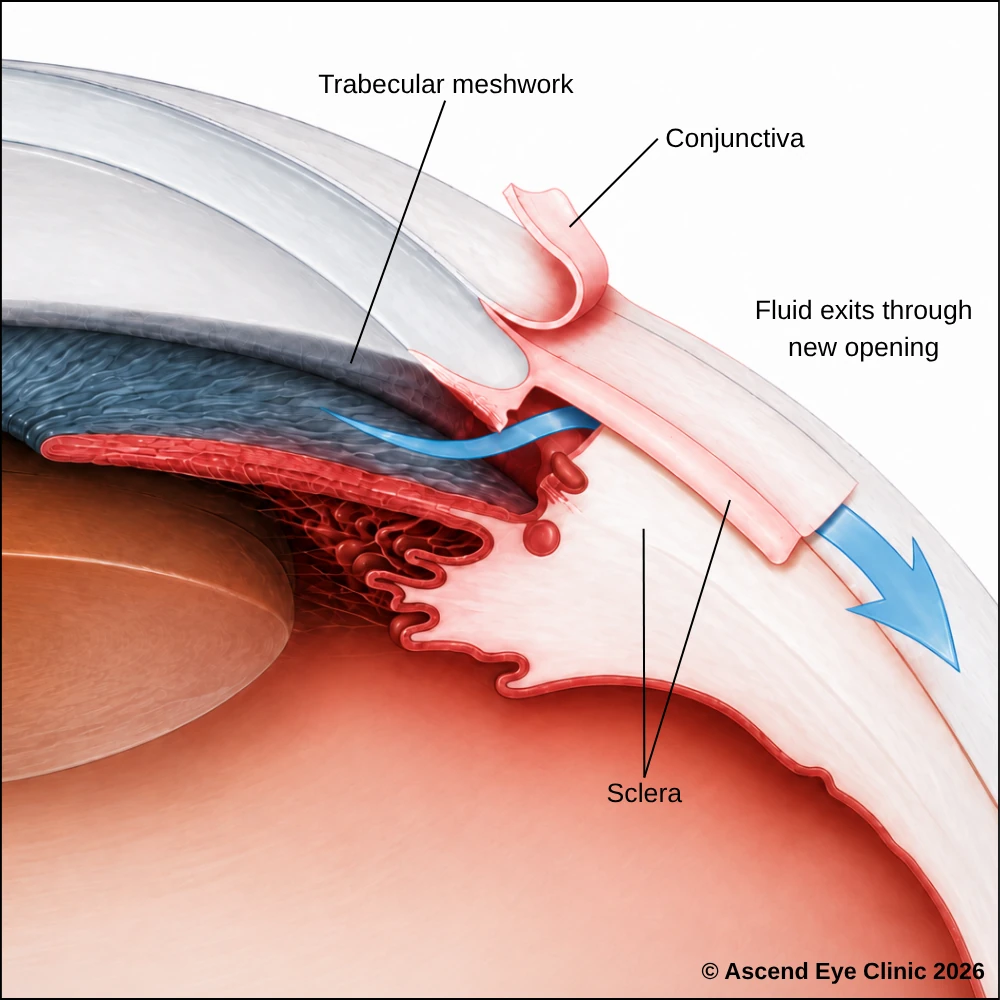
Trabeculectomy is a well-established form of conventional glaucoma surgery. It is used to lower eye pressure by creating a new pathway in the wall of the eye to allow fluid to drain from the eye and collect beneath the conjunctiva. From there, the fluid is gradually absorbed into surrounding tissues, reducing pressure inside the eye.
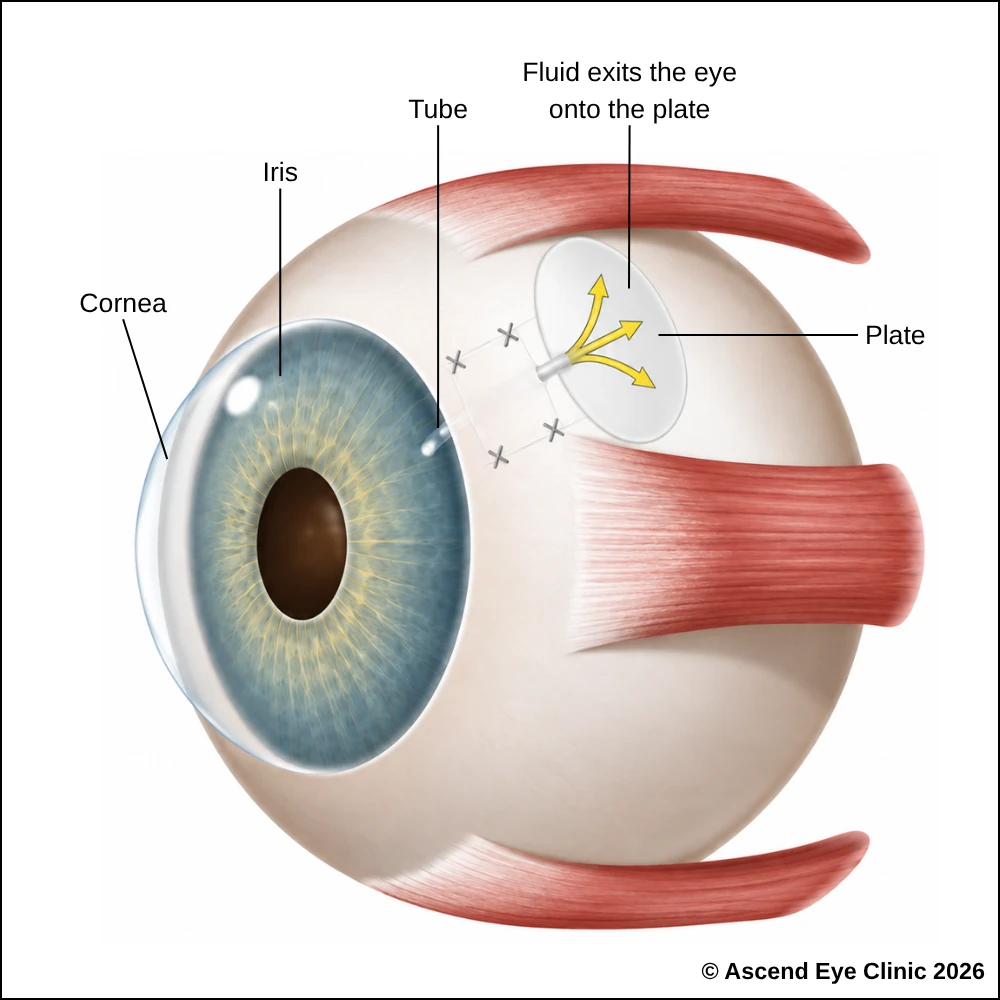
Glaucoma drainage devices create a new pathway for fluid to leave the eye. A small tube connected to an external plate is inserted into the eye, allowing fluid to drain through the tube to a reservoir around the plate, where it is gradually absorbed, helping to lower eye pressure.
Such implants are reserved for advanced or complex cases of glaucoma, particularly when there is significant visual field loss, persistently high eye pressure despite medications, or when previous glaucoma surgery has not achieved adequate pressure control.
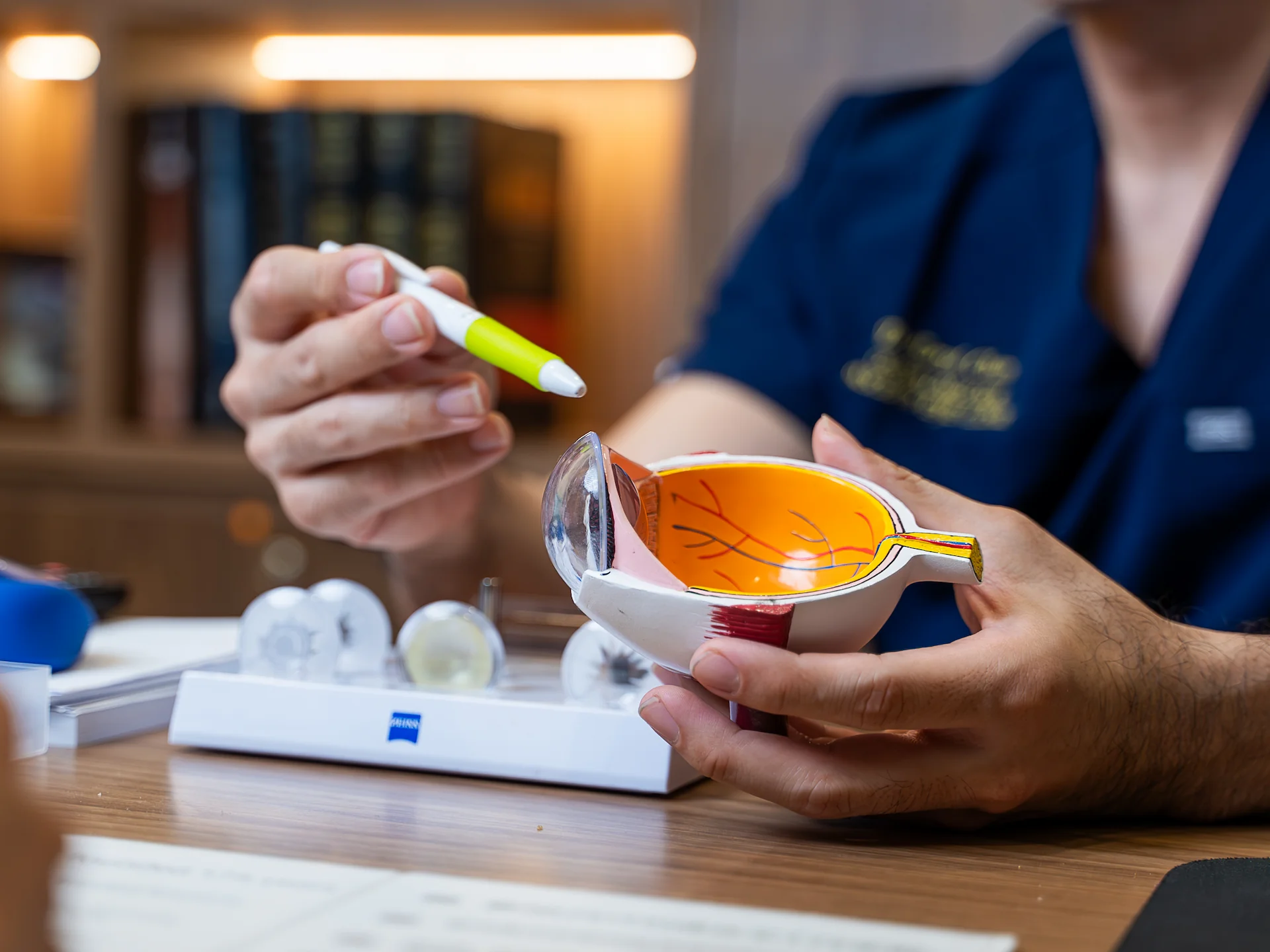
Choosing the right treatment depends on several factors, including your eye anatomy, the severity of your glaucoma, and how you’ve responded to previous treatments. There is no one-size-fits-all approach, what works well for one patient may not be the best option for another.
The best way to determine the right treatment plan is through a personalised consultation with us. During your visit, we’ll assess your individual condition and discuss which options are most suitable for you. We’ll walk you through the benefits and risks of each option so you can make an informed decision about your eye health with confidence.
Book a consultation with us today to discuss your options and take the next step toward protecting your vision.
From your initial consultation to treatment and follow-up care, our team will guide you through every stage of your journey. We will take the time to explain your condition, answer your questions and help you feel informed and supported throughout your care.

Your consultation begins with a detailed assessment of your vision and eye health. Depending on your condition, this may include measurements of your vision and eye pressure, examination of the front and back of the eye, and advanced diagnostic imaging.
Our team will guide you through each test and explain what is being assessed. Your results will then be carefully reviewed to understand your individual needs and determine whether monitoring or treatment may be recommended.
Every eye and every patient is different. Your treatment plan will be tailored according to your examination findings, visual needs, general health and lifestyle.
We will explain the recommended treatment, its expected benefits, possible risks and any suitable alternatives in a clear and straightforward manner. You will have time to ask questions and consider your options before deciding how you would like to proceed.
Before your treatment, our team will guide you through the necessary preparations, paperwork and medication instructions. Where applicable, we will explain how to use your prescribed eye drops and how to care for your eyes afterwards.
We understand that undergoing a procedure can feel unfamiliar or worrying. Our team will be available to answer your questions and ensure that you know what to expect before the day of your treatment.
On the day of your procedure, you will arrive at the hospital or surgical centre where your operation has been scheduled. The surgical team will help you prepare and explain what will happen at each stage.
Anaesthetic eye drops or other forms of anaesthesia may be used, depending on the procedure, to keep you comfortable. Your doctor and the surgical team will support and reassure you throughout the operation.
Most eye surgeries are performed as day procedures, although the duration and recovery process will depend on the treatment you receive. Your vision may be temporarily blurred afterwards, so you should arrange for someone to accompany you home and should not drive unless your doctor has advised that it is safe to do so.
We will provide clear instructions on how to care for your eyes, use any prescribed medication and manage your activities during recovery. We will also explain which symptoms are expected and when you should contact the clinic for further advice.
Follow-up appointments allow us to monitor your vision, assess your recovery and identify any concerns at an early stage. Our team remains accessible should you have any questions or concerns throughout your recovery.
At Ascend Eye Clinic, we understand that understanding glaucoma surgery can feel overwhelming. That is why we take a personalised approach to patient care, ensuring you have the time and support you need to make an informed decision with confidence.
Ready to take the next step? Book a consultation with us to discuss your treatment options and receive a personalised assessment tailored to your vision needs.
Hi, I would like to book a consultation with Dr Errol Chan from Ascend Eye Clinic
