
Eye allergies are common in children and can cause itching, redness, watering and frequent eye rubbing. Identifying the triggers and starting appropriate treatment can relieve discomfort, protect the eye surface and help your child stay comfortable at school, at play and throughout the day.
Allergic conjunctivitis occurs when a child’s eyes react to substances in the environment known as allergens. This immune reaction causes inflammation of the conjunctiva, the thin membrane covering the white of the eye and the inner surface of the eyelids.
Dust mites are one of the most common causes of eye allergy in children. They are commonly found in bedding, pillows, mattresses, carpets, soft toys and upholstered furniture, and remain present in most homes despite regular cleaning. Other common triggers include house dust, mould, pollen, and animal dander.
Allergic conjunctivitis is not contagious. However, repeated exposure to allergens often causes persistent or recurring irritation.
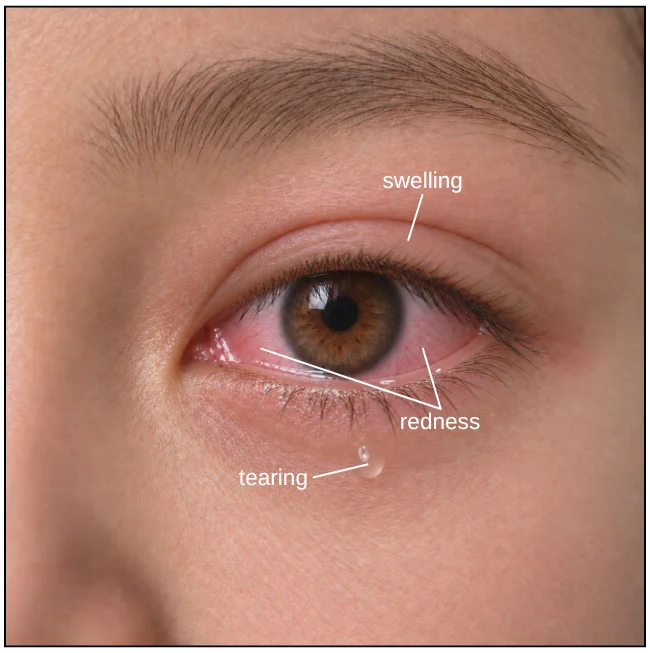
Children with allergic conjunctivitis commonly experience:
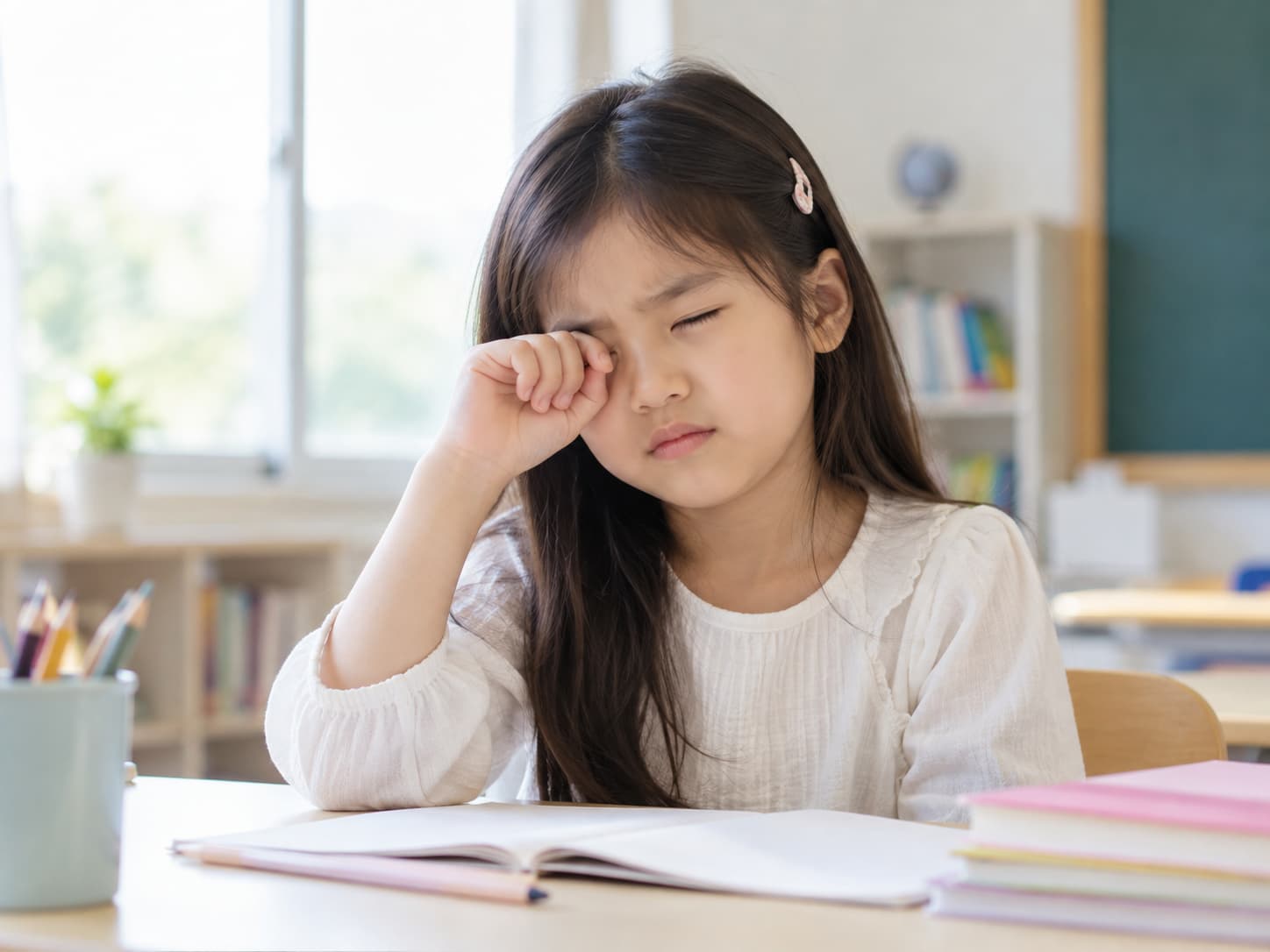
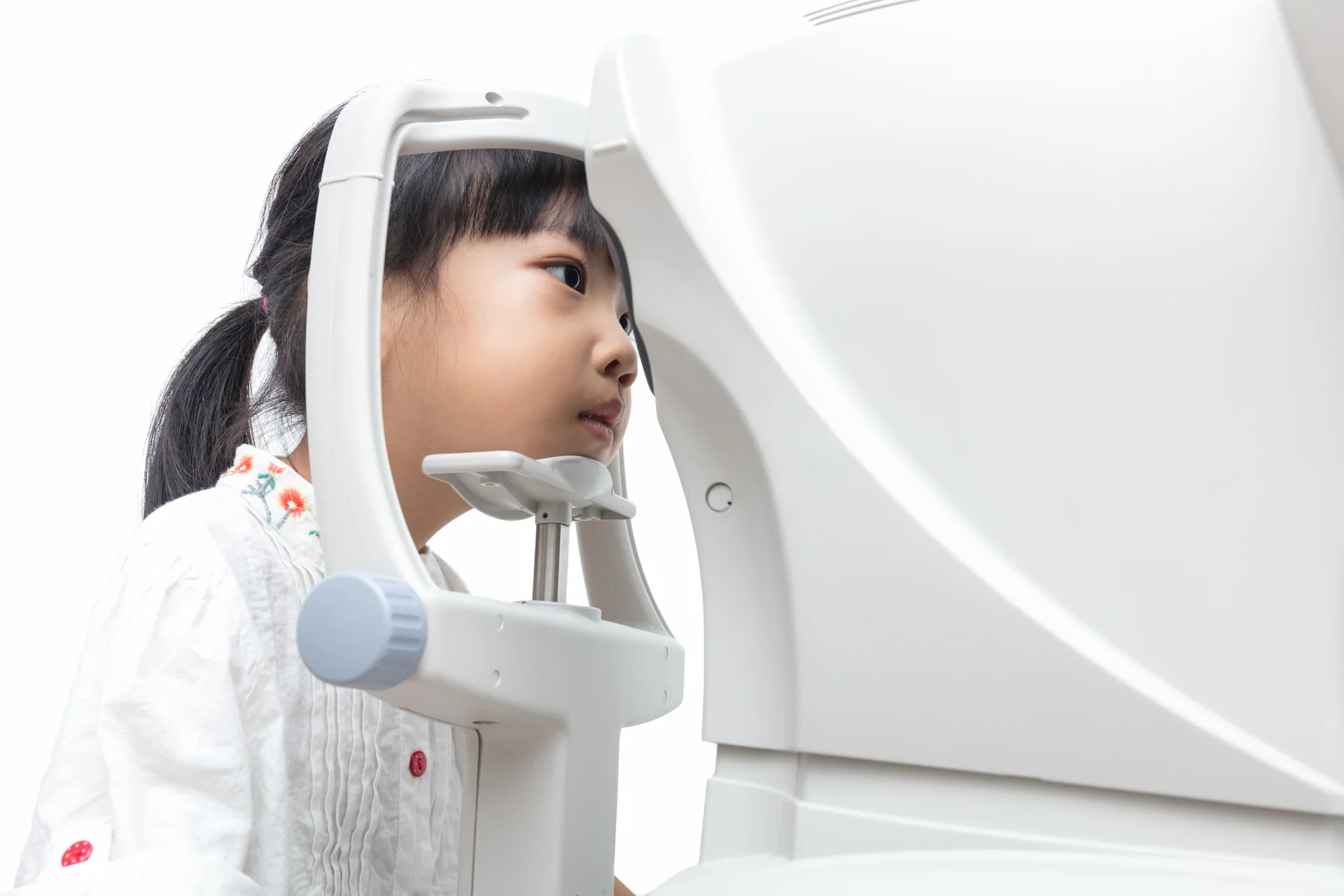
Our team will assess your child’s vision and examine the eyes for signs of allergy and inflammation.
Measures how clearly your child can see in each eye and checks whether the condition is affecting vision.
Provides a magnified view of the eyelids, conjunctiva and cornea to look for redness, swelling, discharge and other signs of allergic inflammation.
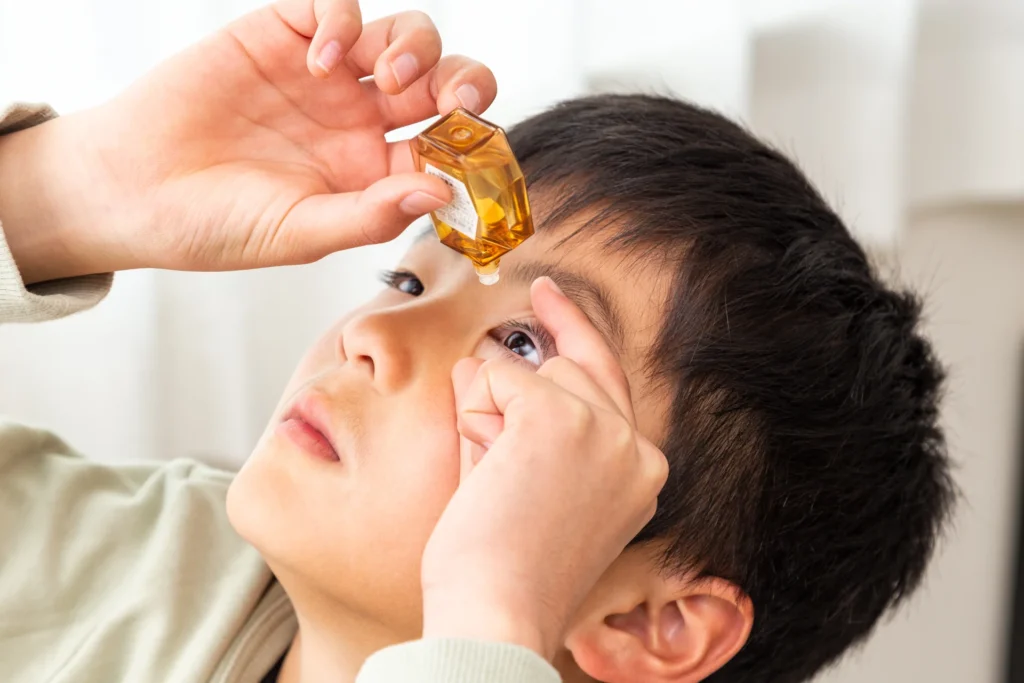
Treatment for allergic conjunctivitis focuses on controlling the allergic reaction, relieving symptoms and reducing repeated flare-ups.
Treatment is tailored to your child’s symptoms and the severity of inflammation. We will examine their eyes and prescribe the appropriate medication to relieve symptoms and keep the allergy under control.
From your child’s first consultation to ongoing follow-up care, our team will guide you and your child through each stage of their eye care journey. We are experienced in examining children and will adapt the consultation according to your child’s age, level of comfort and individual needs.
We understand that eye examinations sometimes feel unfamiliar to children. Our team takes a calm, patient and reassuring approach, allowing time for your child to become comfortable while keeping parents informed throughout the consultation.
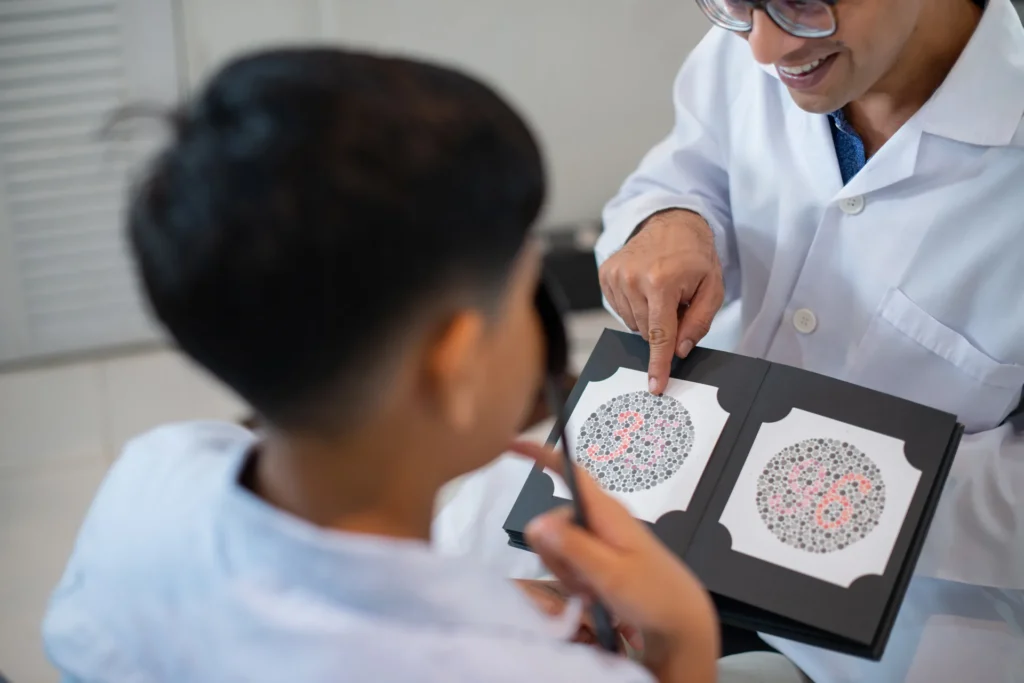
Your child’s consultation begins with an assessment of their vision, visual development and overall eye health. Depending on their age and the reason for their visit, the examination includes measurements of vision and eye alignment, assessment of refractive error, colour vision or stereopsis testing, examination of the front and back of the eyes, and diagnostic imaging where appropriate.
Children respond differently to eye examinations, so we will adapt the way each test is performed according to your child’s age and ability to cooperate. Our team will guide your child through each step patiently and carefully.
Once the examination is complete, we will explain the findings clearly and discuss what they mean for your child’s vision and visual development.
If any changes or concerns are identified, we will explain their significance and advise whether further assessment or monitoring is required. We will then advise you on the next steps for your child’s eye care based on their age, visual needs and examination findings. This includes what to look out for at home, whether further tests are required and when your child needs to return for review.
Children’s eyes continue to grow and change, so regular follow-up is an important part of monitoring their vision and visual development over time. Follow-up visits allow us to track changes in vision, refractive error, eye alignment and overall eye health, with repeat measurements or imaging performed where appropriate.
The frequency of review will depend on your child’s age, examination findings and how their vision changes over time. Our team will continue to keep you informed throughout your child’s care and advise when further review is required.
Persistent eye allergies can affect your child’s comfort, concentration and daily activities. We will identify the likely triggers and recommend the most suitable treatment to relieve symptoms and reduce recurring flare-ups.
Book a consultation at Ascend Eye Clinic for a detailed eye assessment.
Allergic conjunctivitis is inflammation of the surface of the eye caused by an allergic reaction. It commonly affects both eyes and causes itching, redness and watering.
Children may have itchy, red or watery eyes, swollen eyelids and frequent eye rubbing. Some children also complain of burning or irritation.
Common triggers include dust mites, pollen, animal dander, mould and other environmental allergens.
No. Allergic conjunctivitis is caused by an allergic reaction and does not spread from one person to another.
Itching is one of the main symptoms of allergic conjunctivitis. Frequent rubbing can further irritate the eyes and worsen redness and swelling.
Mild allergic conjunctivitis generally does not affect vision. More significant inflammation or involvement of the cornea can cause blurred vision and requires medical assessment.
Diagnosis is based on your child’s symptoms and an eye examination. This can include visual acuity testing, tonometry and a slit lamp examination.
Treatment can include anti-allergy eye drops, lubricating eye drops, cold compresses and reducing exposure to known allergens. More significant inflammation may require prescription steroid eye drops.
Anti-allergy eye drops are commonly used in children when appropriately prescribed. The type and frequency of treatment will depend on your child’s age and symptoms.
If your child has more significant inflammation, stronger prescription eye drops may be needed for a short period. These will be prescribed and monitored by the doctor to ensure the inflammation is controlled safely.
Yes. A clean, cold compress over the closed eyelids can help relieve itching, swelling and irritation.
Yes. Eye rubbing can worsen irritation and inflammation. Keeping the hands clean and using cold compresses or prescribed eye drops can help reduce the urge to rub.
Symptoms can recur when your child continues to encounter their allergy triggers. Some children also experience seasonal or recurring episodes of allergic conjunctivitis.
Yes. As allergic conjunctivitis is not contagious, children can generally continue attending school if they feel comfortable and their symptoms are controlled.
Arrange an assessment if symptoms are persistent, frequently recurring or causing significant discomfort. Reduced vision, eye pain, marked light sensitivity or severe redness should be assessed promptly.
Hi, I would like to book a consultation with Dr Errol Chan from Ascend Eye Clinic
