
Persistent tearing is not always just a temporary irritation. A proper eye assessment can help identify whether the cause is related to the tear ducts, eye surface, eyelids or eyelashes, so the right treatment can be recommended for your child.
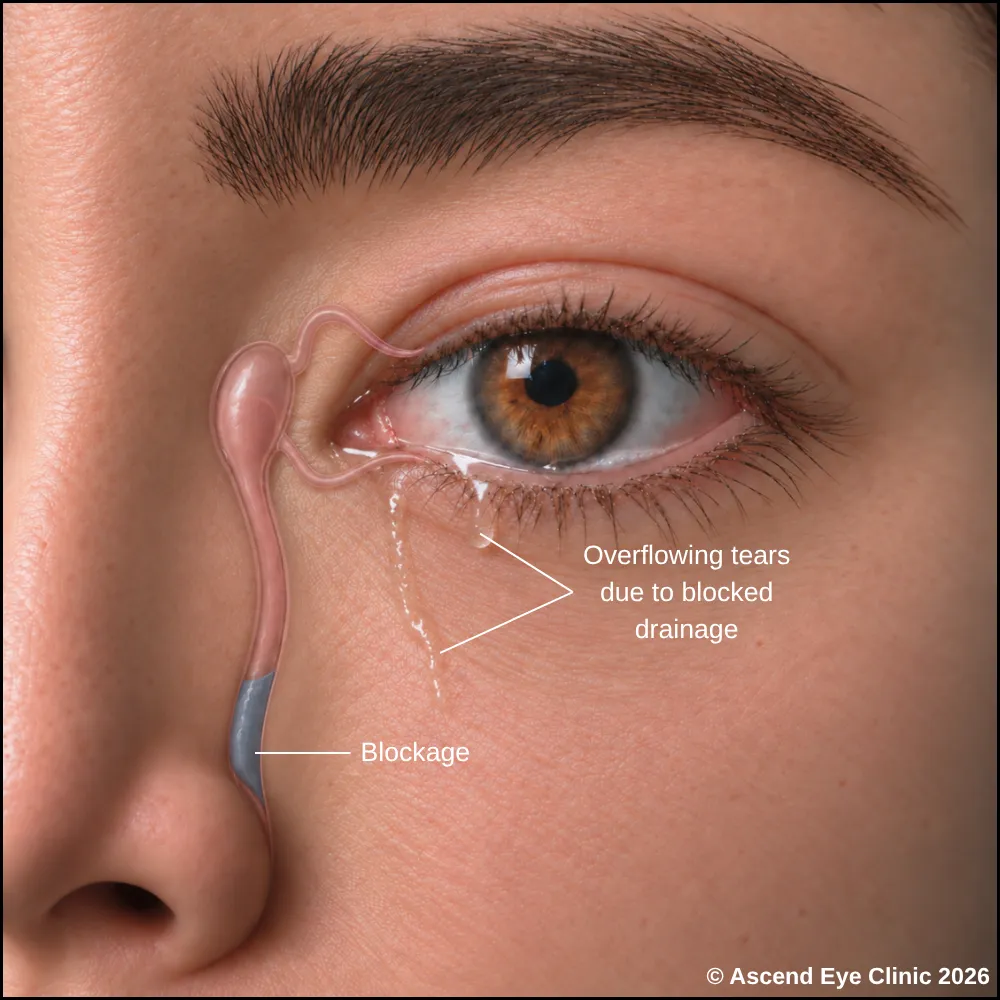
Tearing is common in children and happens when tears build up along the eyelids or overflow onto the cheeks. This happens when the eyes produce more tears in response to irritation or when tears are unable to drain normally through the tear drainage system.
In children, tearing can have several causes including:
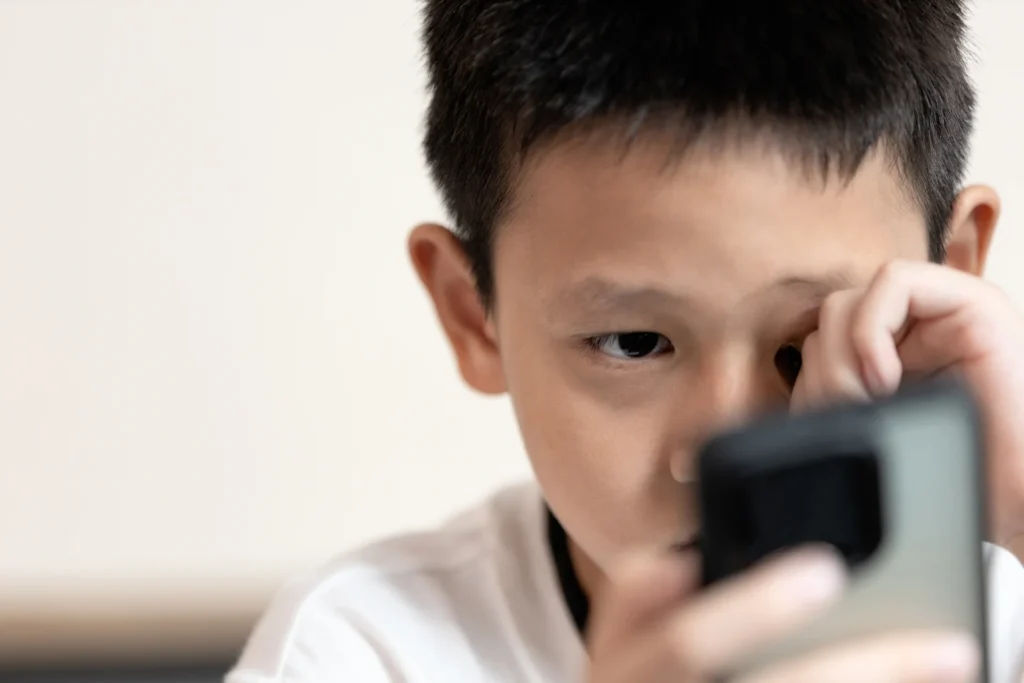
Tearing in children looks different depending on the cause. Along with tearing, you may notice:
Persistent tearing from infancy is usually associated with a blocked tear duct, while sudden tearing is more often related to irritation, a foreign body or eye injury.
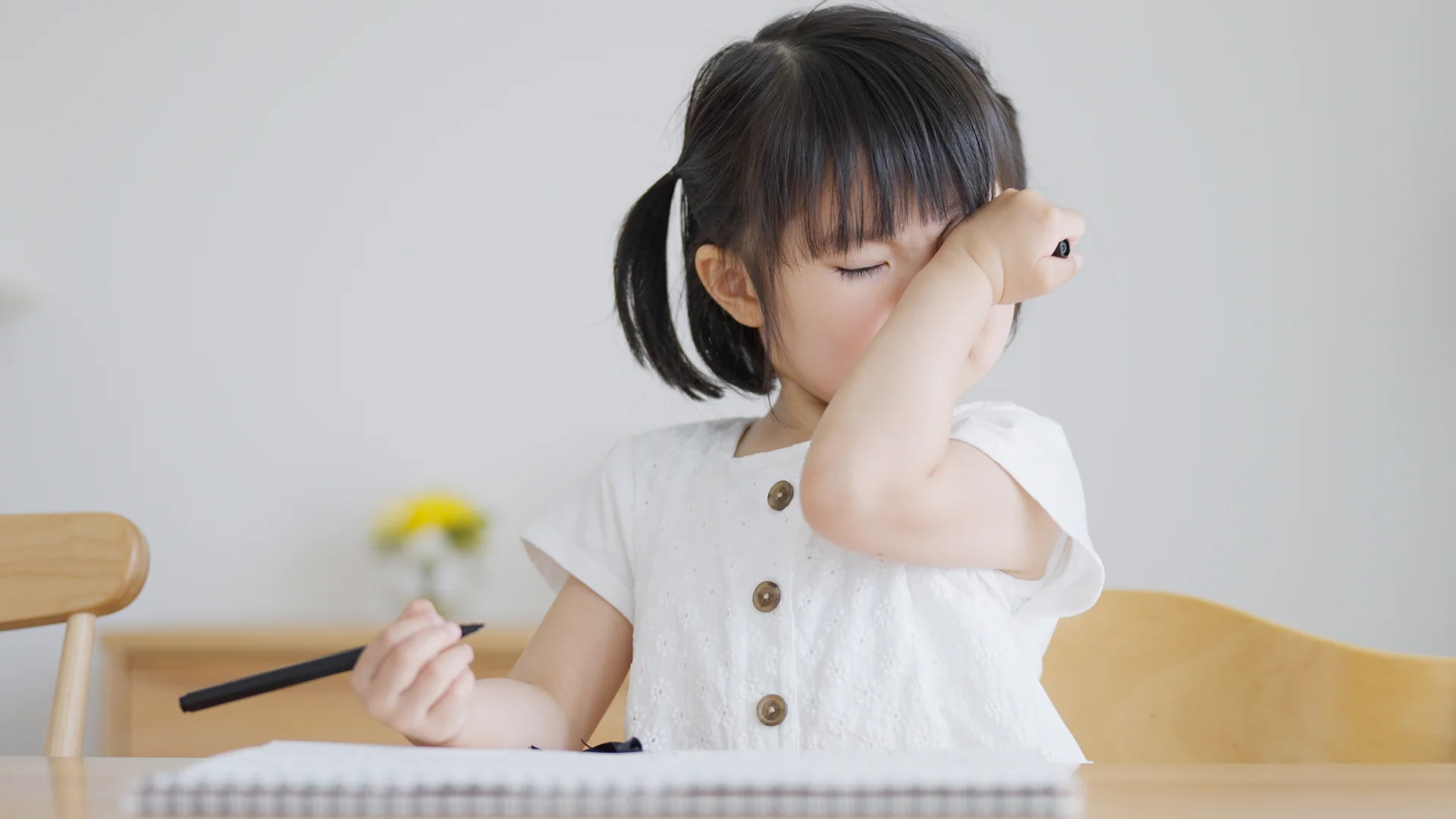
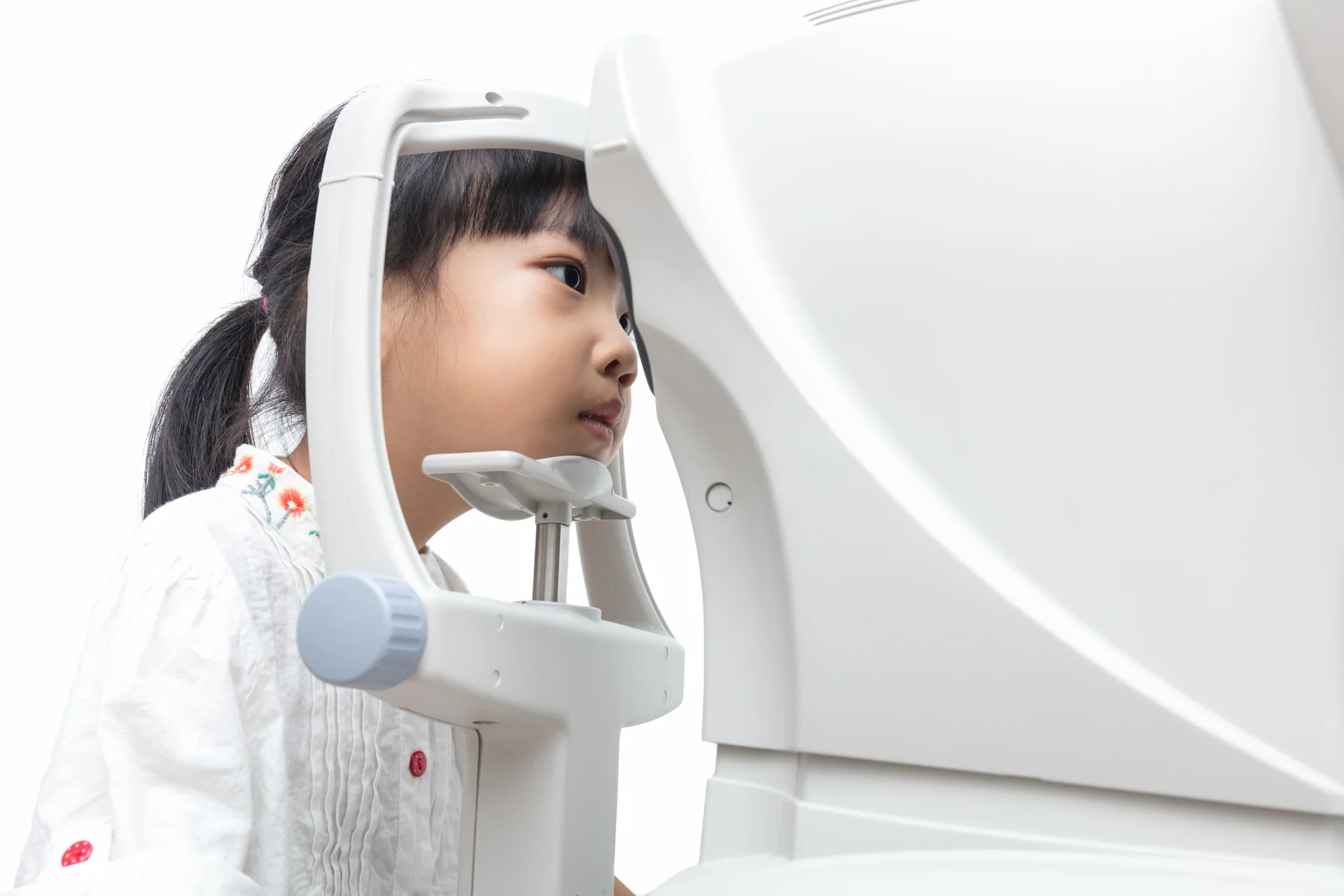
Tearing is assessed by examining your child’s vision, eye pressure, eyelids, eyelashes and the surface of the eye to identify the underlying cause.
Measures how clearly your child can see and identifies any reduction in vision.
Provides a magnified examination of the eyelids, eyelashes and surface of the eye to look for redness, inflammation and allergy, foreign bodies, corneal irritation and eyelashes rubbing against the eye. The tear drainage openings can also be assessed for signs of blockage.
Treatment for tearing depends on what is causing the eyes to water. Some causes improve naturally as your child grows, while others may require eye drops, simple procedures, or treatment to stop ongoing irritation to the eye.
The aim of treatment is to improve comfort, allow tears to drain normally, and protect the surface of the eye when necessary.
Most blocked tear ducts in babies improve as the tear drainage system develops. Crigler massage can be used to apply gentle pressure over the tear sac and encourage the thin membrane blocking the end of the tear duct to open.
If the blockage persists, a small number of children require a minor procedure to increase the passage of tears through the tear duct. A fine probe is passed through the tear drainage passage and the duct can be irrigated to confirm that it is open.
Eye allergies occur when the eyes react to allergens such as dust mites, pollen, mould, pet dander or other environmental triggers. This commonly causes allergic conjunctivitis, with symptoms such as itching, redness, watering and eyelid swelling. Lubricating and anti-allergy eye drops can be prescribed to control inflammation and relieve symptoms.
Learn more about allergic conjunctivitis here.
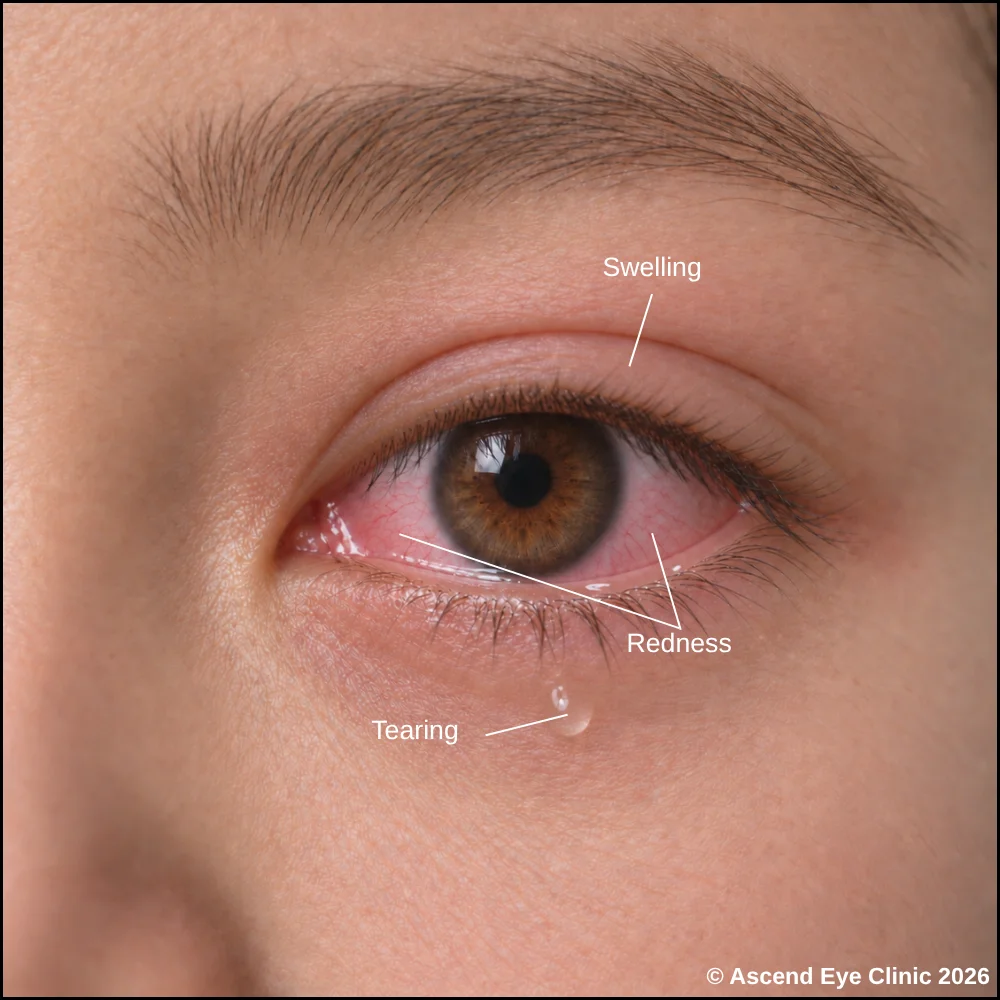
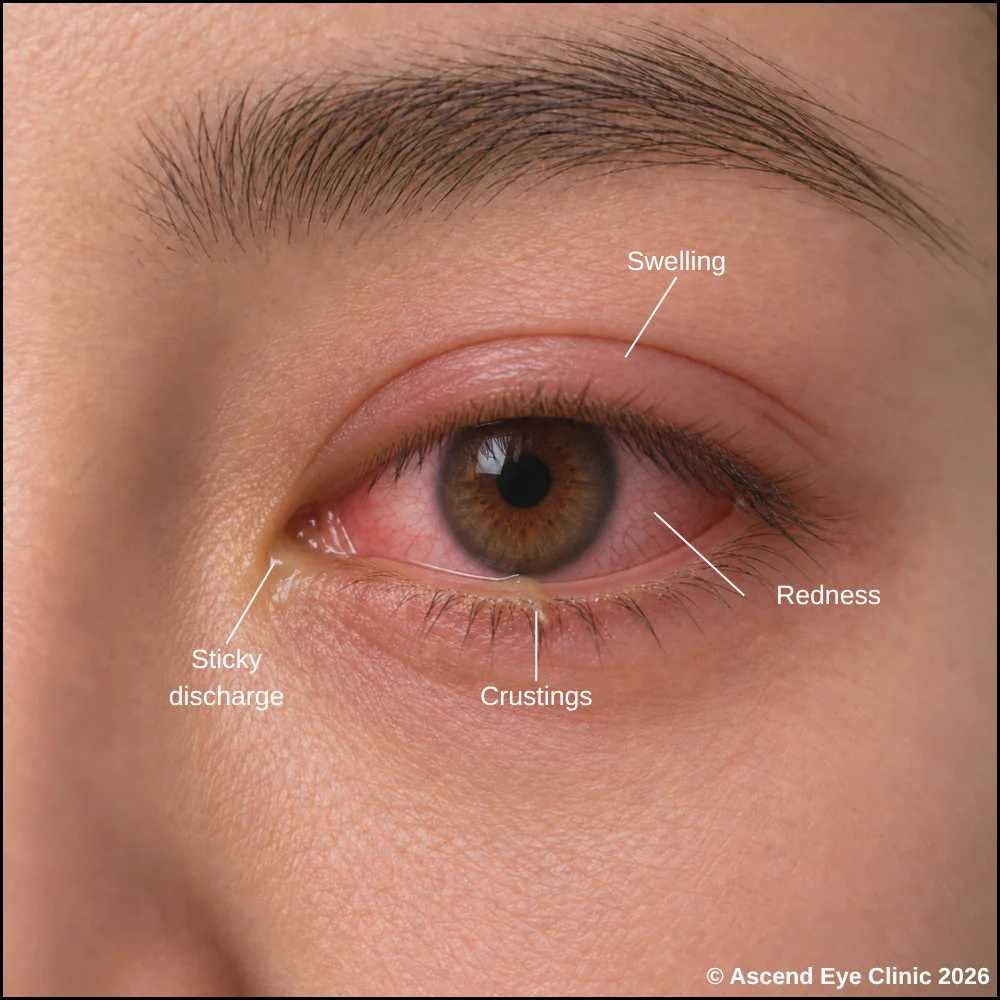
Conjunctivitis can also be caused by viral or bacterial infections. Children may develop redness, watering, irritation or eye discharge, and the infection can spread easily between people. We will prescribe the appropriate eye drops and other treatment based on the type of conjunctivitis and findings on examination.
From your child’s first consultation to treatment and follow-up care, our team will guide you and your child through each stage of the journey. We are experienced in examining and caring for children and will adapt the consultation according to your child’s age, level of comfort and individual needs.
We understand that eye examinations can sometimes feel unfamiliar to children. Our team takes a calm, patient and reassuring approach, allowing time for your child to become comfortable while keeping parents informed throughout their care.
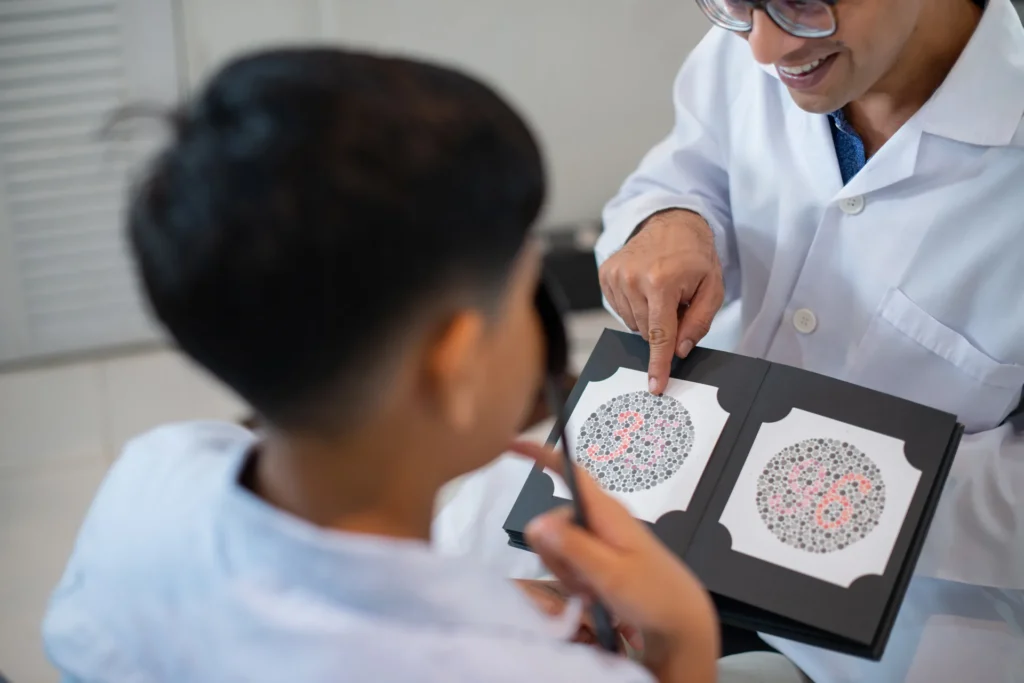
Your child’s consultation begins with an assessment of their vision, visual development and overall eye health. Depending on their age and condition, this may include measurements of vision and eye alignment, assessment of refractive error, examination of the front and back of the eyes, and diagnostic imaging where appropriate.
Children respond differently to eye examinations, so we will adapt the way each test is performed according to your child’s age and ability to cooperate. Our team will guide your child through each step patiently and carefully, while explaining the findings to you in a clear and understandable way.
Every child develops differently, and treatment is planned according to your child’s diagnosis, age, visual development and individual needs.
Depending on the condition, treatment may include glasses, amblyopia therapy, myopia control, eye drops, monitoring or other forms of treatment. We will explain the recommended approach, what it aims to achieve and what you can expect over time, while giving you the opportunity to discuss any questions or concerns.
Once treatment begins, our team will provide clear guidance on how it should be carried out at home and what to expect along the way. This may include advice on wearing glasses, using eye patches or eye drops, or following a myopia control programme.
We understand that children may need time to adjust to treatment. We will work closely with you to make the process as manageable and comfortable as possible, while adapting our approach according to your child’s needs and response.
Some paediatric eye conditions may require a procedure or surgery. If this is recommended, we will explain why it is needed, what the procedure involves and how your child will be cared for before, during and after treatment.
The type of anaesthesia and surgical setting will depend on your child’s age and the procedure being performed. Our team will guide you through the necessary preparations and work closely with the surgical team to help make the experience as smooth and reassuring as possible for your child.
Children’s eyes continue to grow and develop, so regular follow-up is an important part of paediatric eye care. Follow-up visits allow us to monitor your child’s vision, eye alignment, refractive changes and response to treatment over time.
We will adjust treatment where needed as your child grows and their visual needs change. Our team will continue to support both you and your child throughout their care, providing clear guidance and addressing any concerns along the way.
Persistent tearing in children often requires an eye assessment to identify whether the cause is a blocked tear duct, eye irritation or another underlying condition.
Book a consultation at Ascend Eye Clinic for a child-friendly examination and personalised treatment guidance.
Persistent tearing can happen when tears do not drain properly or when the eye is producing extra tears because of irritation, inflammation or rubbing from the eyelashes.
Tearing that starts from birth or early infancy is often related to incomplete opening of the tear drainage passage, known as nasolacrimal duct obstruction. This prevents tears from draining normally into the nose.
Tears that do not drain properly can collect around the eye and mix with mucus, leading to sticky discharge or crusting around the eyelashes. Conjunctivitis can also cause watering together with discharge.
Watery, itchy eyes are often associated with eye allergies. You may also notice redness, frequent eye rubbing or symptoms affecting both eyes.
Redness and tearing can occur when the surface of the eye becomes inflamed or irritated. Possible causes include allergies, conjunctivitis, a foreign body or eyelashes rubbing against the eye.
Sudden tearing in one eye can occur when something irritates the surface of the eye, such as dust, a small foreign body or a corneal scratch.
Eye rubbing can be a sign of itching, irritation or discomfort. Allergies and eyelashes rubbing against the eye are among the possible causes.
Frequent blinking or keeping one eye closed can happen when the eye feels uncomfortable. This can occur with a foreign body, corneal irritation or eyelashes rubbing against the surface of the eye.
Yes. If the eyelashes turn or are pushed towards the eye, they can repeatedly rub against the cornea and cause tearing, redness and irritation.
Many cases of tearing caused by incomplete development of the tear drainage passage improve naturally during infancy as the drainage system continues to develop.
Not always. Some causes improve naturally, while others require eye drops, treatment for irritation or a simple procedure. Treatment depends on what is causing the tearing.
Tearing itself does not always affect vision, but some underlying causes can interfere with the surface of the eye or cause ongoing irritation. Persistent symptoms should therefore be assessed.
Persistent tearing in one eye should be assessed, particularly if it is associated with discharge, redness, discomfort or frequent eye rubbing.
An eye assessment is recommended if tearing is persistent, keeps returning or is accompanied by redness, discharge, discomfort, frequent blinking or eye rubbing.
Seek prompt medical attention if tearing follows an eye injury or chemical exposure, or if your child has significant pain, marked sensitivity to light or difficulty opening the eye.
Hi, I would like to book a consultation with Dr Errol Chan from Ascend Eye Clinic
