
Eyelid conditions can affect more than appearance, causing irritation, discomfort, and changes to your vision. We provide careful assessment and treatment to restore eyelid health, comfort, and function.
The eyelids protect the surface of the eyes, distribute tears during blinking and help maintain clear, comfortable vision. Problems affecting the eyelids can therefore cause more than a change in appearance. They may also lead to irritation, tearing, blurred vision or damage to the surface of the eye.
Eyelid conditions can develop because of blocked oil glands, infection, ageing, changes in eyelid position or problems involving the muscles and nerves that control the eyelids. Some conditions resolve with simple treatment, while others require further investigation or a minor surgical procedure.
Some common eyelid conditions include:
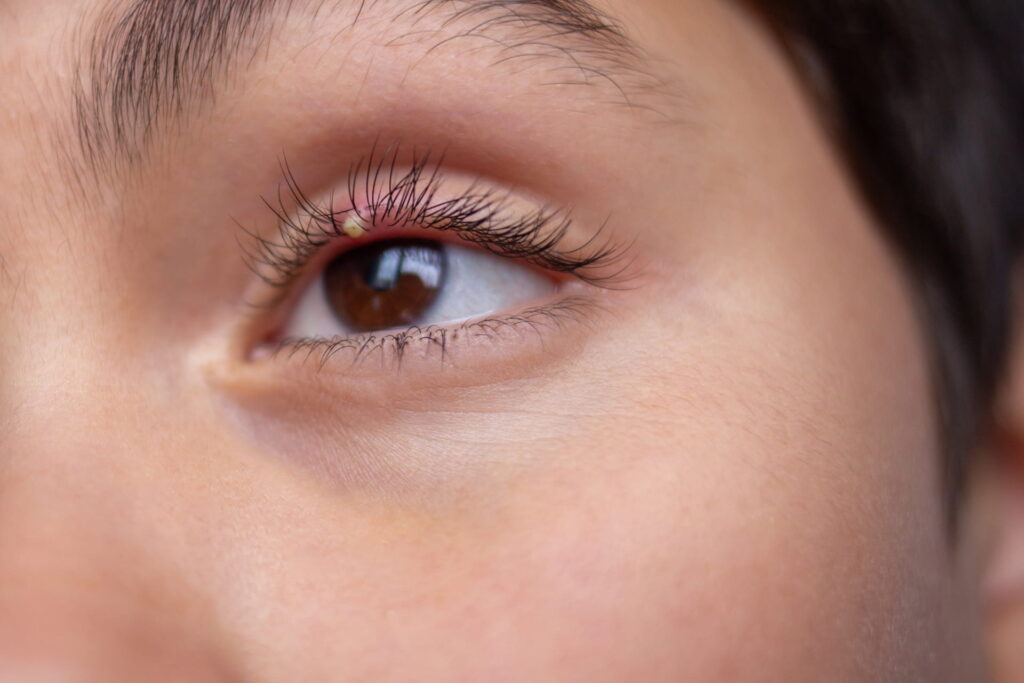
Eyelid conditions can affect the position and movement of the eyelids, tear drainage, and the surface of the eye. Symptoms vary depending on the underlying condition and can affect one or both eyes.

Diagnosis begins with a careful assessment of the eyelids, eyelashes and surrounding eye structures. We look at the position and movement of the eyelids, the condition of the lid margins and lashes, and any changes affecting the surface of the eye to determine the nature and extent of the problem.
Measures how clearly you can see and helps identify any reduction in vision.
Provides a magnified examination of the eyelids, eyelashes and surface of the eye to assess eyelid position and movement, identify cysts or inflammation, and check for eyelashes turning inward and rubbing against the cornea.
Examines the tear drainage openings and surrounding structures to determine whether excessive tearing is related to narrowing or blockage of the tear drainage system.
Fluid is gently passed through the tear drainage system to assess whether the tear ducts are open or blocked.
Maps the visual field to assess whether a droopy upper eyelid is obstructing the superior field of vision and to document any functional improvement when the eyelid is lifted.
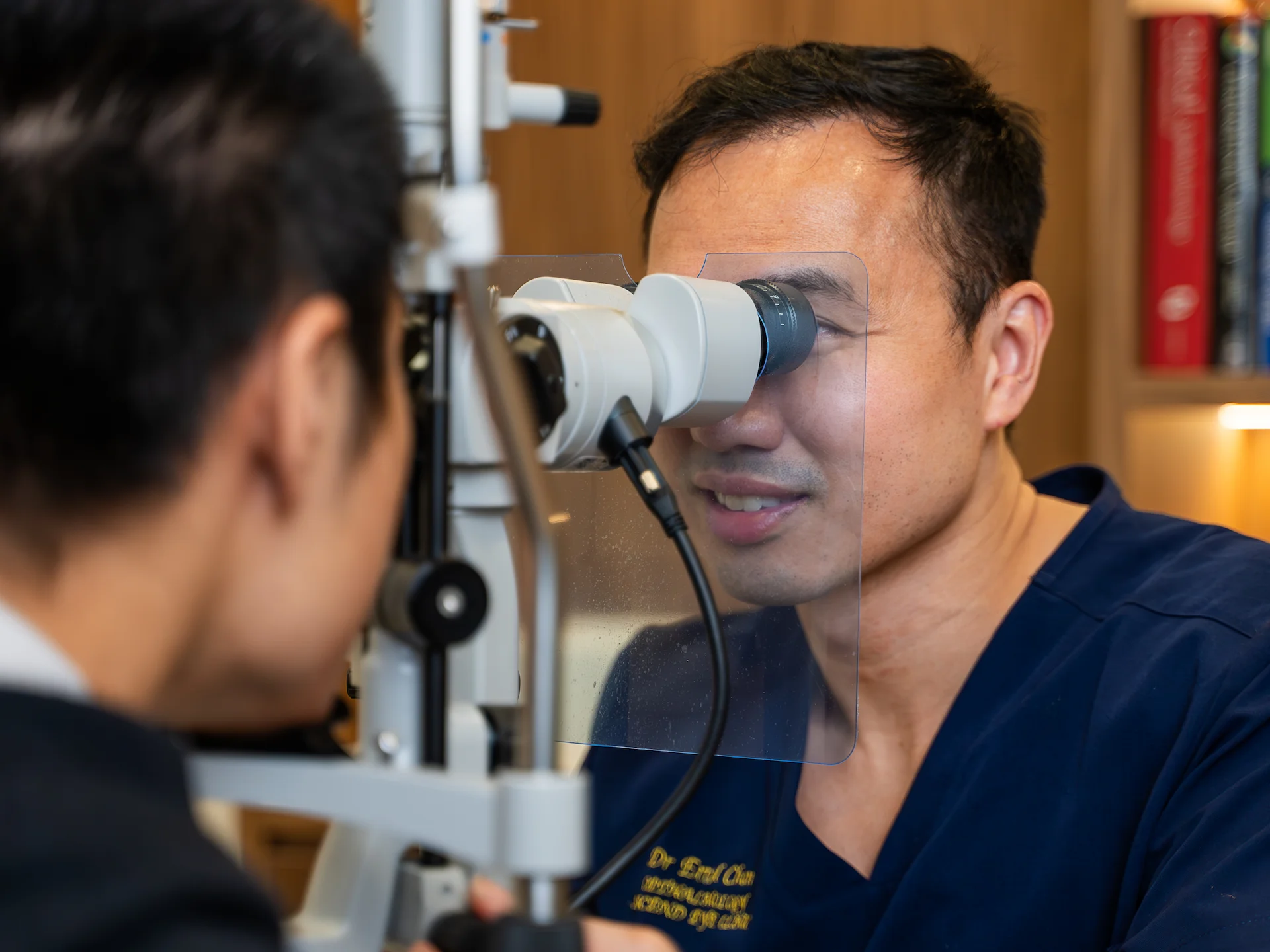
Treatment is selected according to the eyelid condition, its severity, and whether it is affecting comfort, vision or normal eyelid function. Some mild conditions can be managed conservatively or monitored, while persistent or more significant problems may require a minor procedure or surgery.
Treatment may include:

We will explain the cause of your eyelid symptoms and the treatment options available. Where treatment is recommended, the approach will be tailored to the condition, your symptoms and its effect on your vision and daily comfort.
From your initial consultation to treatment and follow-up care, our team will guide you through every stage of your journey. We will take the time to explain your condition, answer your questions and help you feel informed and supported throughout your care.

Your consultation begins with a detailed assessment of your vision and eye health. Depending on your condition, this may include measurements of your vision and eye pressure, examination of the front and back of the eye, and advanced diagnostic imaging.
Our team will guide you through each test and explain what is being assessed. Your results will then be carefully reviewed to understand your individual needs and determine whether monitoring or treatment may be recommended.
Every eye and every patient is different. Your treatment plan will be tailored according to your examination findings, visual needs, general health and lifestyle.
We will explain the recommended treatment, its expected benefits, possible risks and any suitable alternatives in a clear and straightforward manner. You will have time to ask questions and consider your options before deciding how you would like to proceed.
Before your treatment, our team will guide you through the necessary preparations, paperwork and medication instructions. Where applicable, we will explain how to use your prescribed eye drops and how to care for your eyes afterwards.
We understand that undergoing a procedure can feel unfamiliar or worrying. Our team will be available to answer your questions and ensure that you know what to expect before the day of your treatment.
On the day of your procedure, you will arrive at the hospital or surgical centre where your operation has been scheduled. The surgical team will help you prepare and explain what will happen at each stage.
Anaesthetic eye drops or other forms of anaesthesia may be used, depending on the procedure, to keep you comfortable. Your doctor and the surgical team will support and reassure you throughout the operation.
Most eye surgeries are performed as day procedures, although the duration and recovery process will depend on the treatment you receive. Your vision may be temporarily blurred afterwards, so you should arrange for someone to accompany you home and should not drive unless your doctor has advised that it is safe to do so.
We will provide clear instructions on how to care for your eyes, use any prescribed medication and manage your activities during recovery. We will also explain which symptoms are expected and when you should contact the clinic for further advice.
Follow-up appointments allow us to monitor your vision, assess your recovery and identify any concerns at an early stage. Our team remains accessible should you have any questions or concerns throughout your recovery.
Persistent eyelid swelling, drooping, tearing or irritation should not be ignored. A detailed assessment can identify the cause and determine whether simple treatment, a minor procedure or surgery is needed.
Book a consultation at Ascend Eye Clinic for a thorough eyelid evaluation and personalised treatment plan.
Common eyelid conditions include styes and chalazia, droopy upper eyelids or ptosis, excessive tearing caused by tear drainage problems, and eyelashes that turn inward and rub against the eye. These conditions can affect comfort, appearance, eyelid function and, in some cases, vision.
Eyelid swelling or a lump is commonly caused by a blocked or inflamed oil gland, such as a stye or chalazion. Other causes include eyelid inflammation, cysts and other growths. If a lump persists, enlarges or keeps returning, it should be examined to determine the cause.
An eyelid lump should be assessed if it does not settle after a few weeks, becomes larger, repeatedly returns or causes discomfort or changes in vision. Lumps that bleed, change in appearance or affect the normal shape of the eyelid should also be examined.
Yes. A droopy upper eyelid can obstruct part of the visual field, while a large eyelid lump can sometimes press on the eye and blur vision. Inturned eyelashes can also irritate or damage the cornea when they repeatedly rub against the surface of the eye.
One upper eyelid can sit lower because of ptosis, where the structures that lift the eyelid become weakened or stretched. This can develop gradually with age or occur after eye surgery, prolonged contact lens wear, injury or conditions affecting the eyelid muscles or nerves.
Yes. Age-related ptosis often develops gradually and can become more noticeable over time. As the eyelid drops further, it can begin to interfere with the upper visual field or make the eyes feel increasingly heavy. We assess the eyelid position and function to determine whether monitoring or treatment is appropriate.
Constant watering can occur when tears are not draining properly through the tear ducts. It can also result from irritation, dry eye, eyelid position problems or eyelashes rubbing against the eye. An assessment helps determine the underlying cause and the most appropriate treatment.
Yes. The eyelids help spread tears evenly across the surface of the eye and protect it between blinks. Problems with eyelid position, incomplete closure or eyelashes rubbing against the eye can disrupt this process and lead to dryness, redness, watering or a gritty sensation.
A persistent scratching or foreign body sensation can occur when one or more eyelashes turn inward and rub against the cornea. This can cause irritation, redness, watering and sensitivity. Continued rubbing can also damage the surface of the eye.
We examine the eyelids, eyelashes and surface of the eye using a slit lamp and assess eyelid position, movement and function. Depending on your symptoms, additional tests can include visual field testing for droopy eyelids or assessment of the tear drainage system for persistent watering.
No. Some mild eyelid conditions settle with conservative care or can simply be monitored. Treatment is recommended when symptoms persist, the condition affects vision or comfort, or there is a risk of ongoing irritation or damage to the surface of the eye.
Treatment depends on the underlying condition. Options include conservative treatment and monitoring, removal of persistent eyelid cysts or lumps, ptosis surgery to improve the position of a droopy eyelid, and tear duct surgery for significant tear drainage blockage.
Surgery is considered when an eyelid condition is persistent, affects normal eyelid function or interferes with vision and comfort. This can include significant droopy eyelids, persistent eyelid cysts or lumps, and tear duct blockage causing troublesome or recurrent watering.
The area around the eyelid is numbed before most minor eyelid procedures to keep you comfortable. You can still notice some pressure, movement or touching during the procedure, but you should not feel sharp pain.
Recovery depends on the procedure performed. Swelling, bruising and mild discomfort are common during the first few days and generally improve over the following one to two weeks. We will provide specific aftercare instructions and review your healing during follow-up appointments.
Hi, I would like to book a consultation with Dr Errol Chan from Ascend Eye Clinic
