
Amblyopia develops while a child’s vision is still developing, making early detection and treatment especially important. By correcting the underlying cause and encouraging the weaker eye to work more effectively, treatment helps support stronger visual development and gives your child the best opportunity to achieve clearer vision.
Amblyopia, commonly known as lazy eye, is reduced vision in one or both eyes that develops during childhood. It occurs when the brain does not receive a clear or balanced image from the eyes while vision is still developing.
During the first few years of life, the brain is learning how to see. If one eye provides a clearer image than the other, or if the eyes are not working together properly, the brain can begin to rely more on the stronger eye. Over time, vision in the weaker eye does not develop fully.
When one eye consistently provides a blurred, obstructed or misaligned image, the brain begins to favour the clearer eye and suppresses the image from the affected eye. Common causes include:
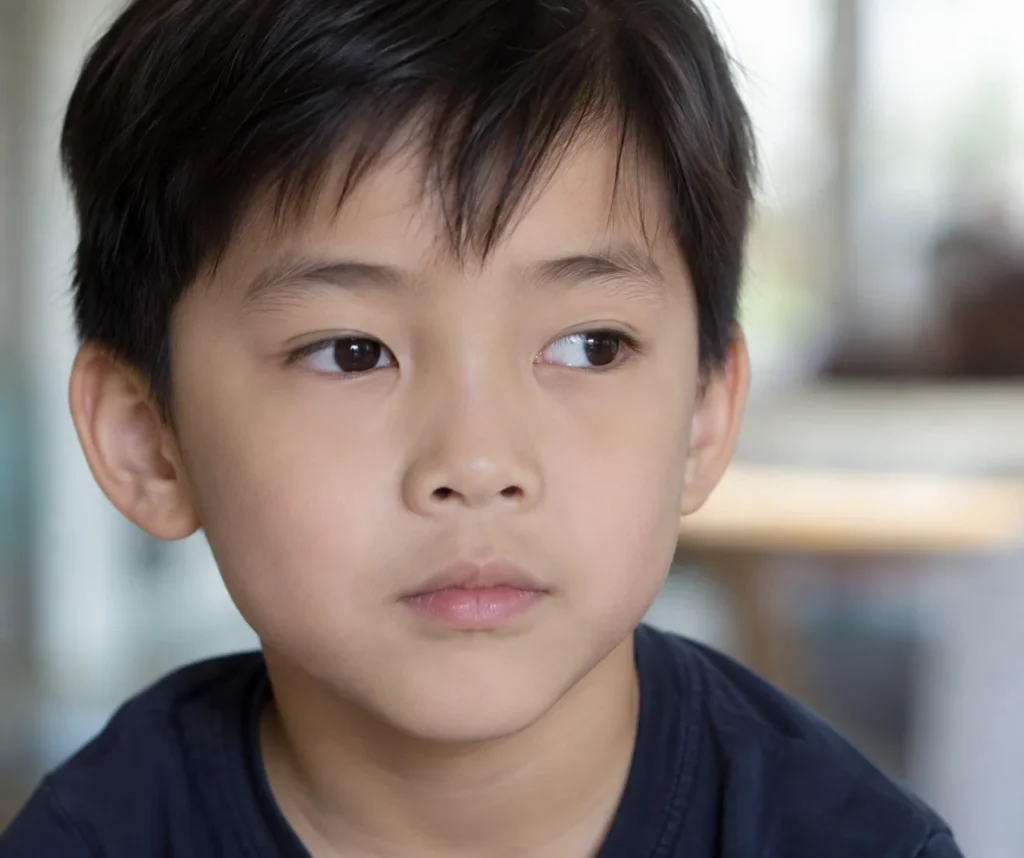
Amblyopia often causes no obvious symptoms, especially when only one eye is affected as the stronger eye compensates for the weaker eye. Some signs to look out for include:
Regular eye examinations throughout childhood are thus important, as amblyopia often remains undetected without formal vision testing.
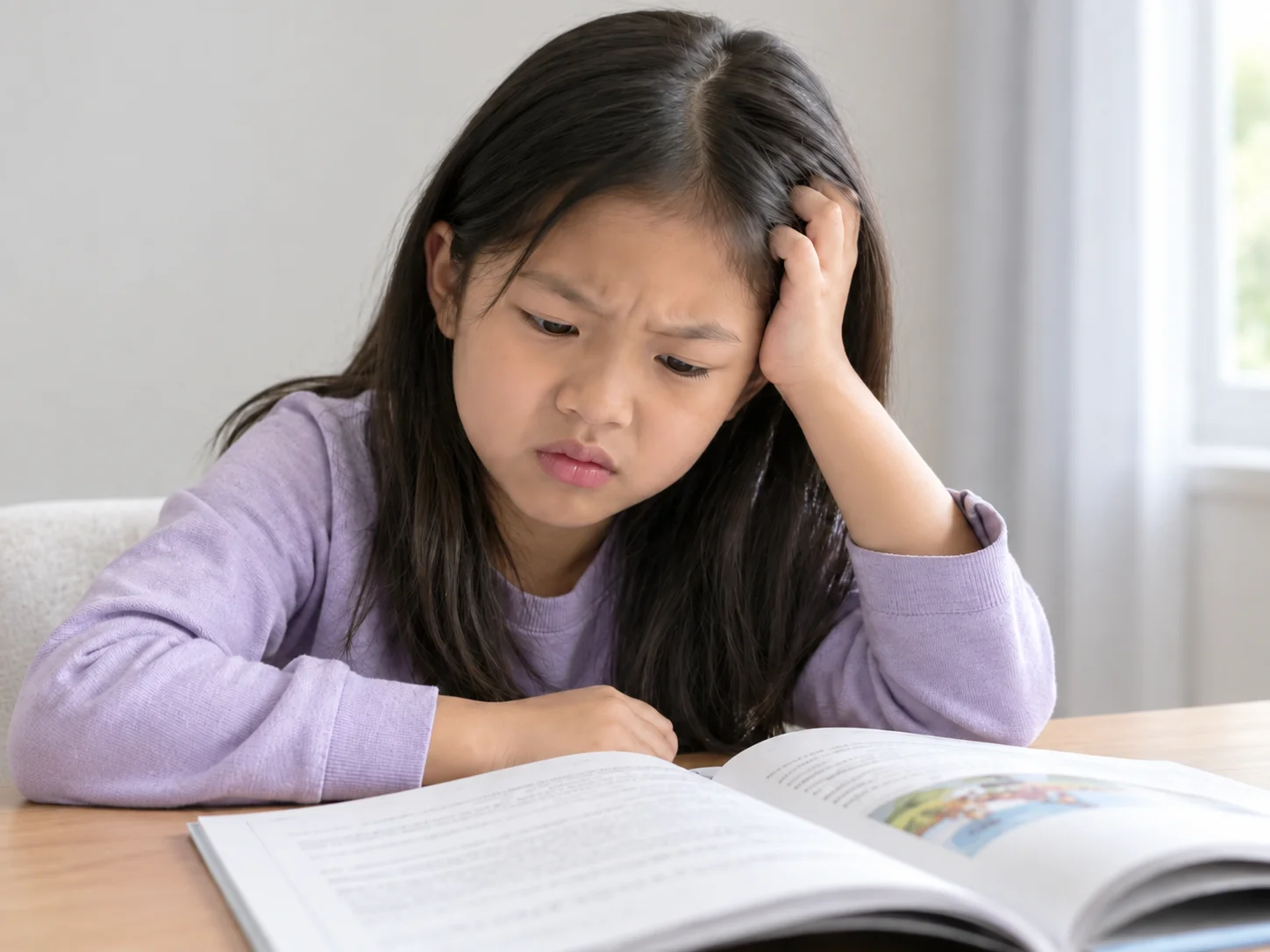
Amblyopia is diagnosed by comparing the vision in each eye and identifying any underlying cause that is preventing normal visual development.
Measures how clearly your child can see in each eye and identifies any difference in vision between the two eyes.
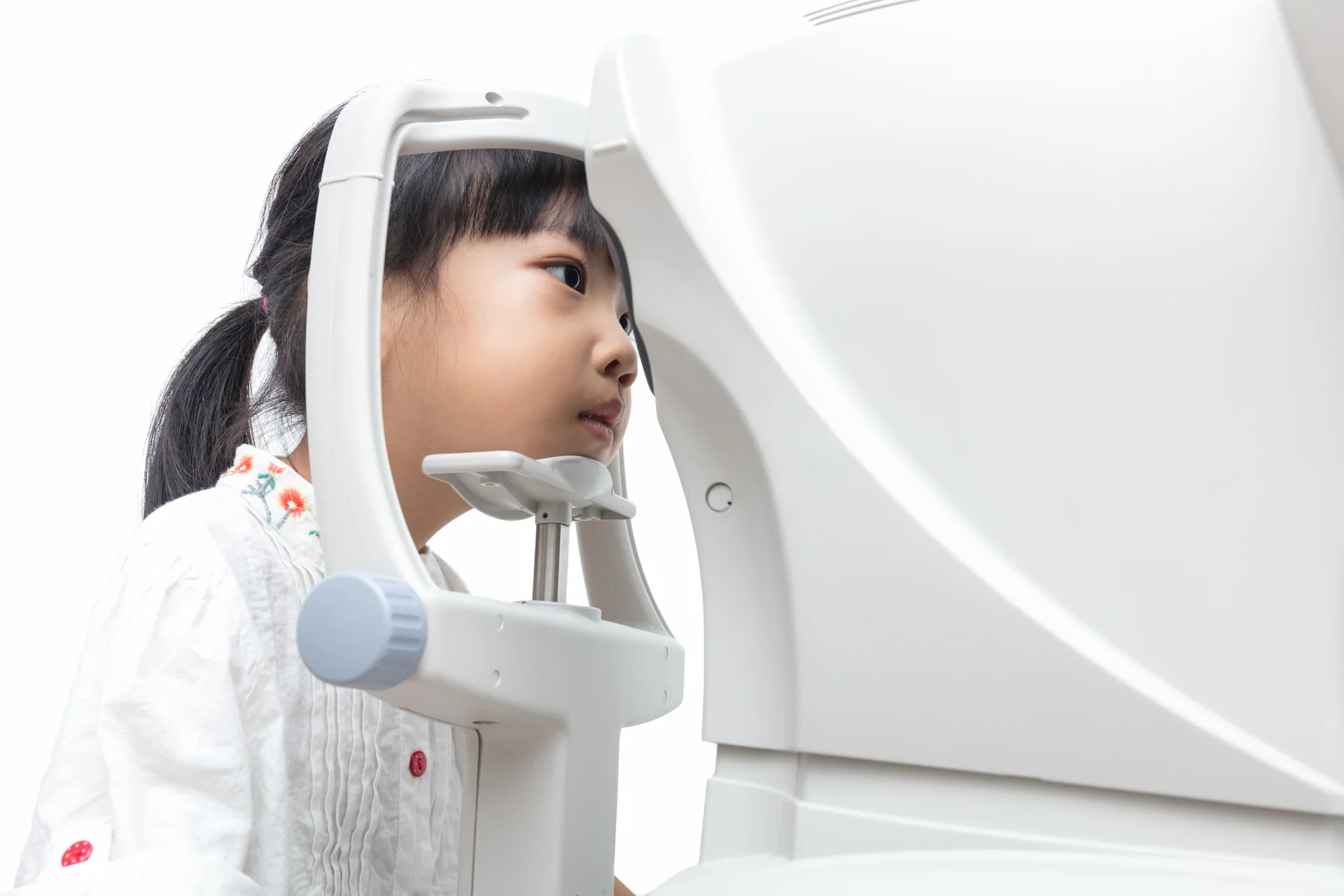
Checks for short-sightedness, long-sightedness and astigmatism. Cycloplegic eye drops are used to temporarily relax the muscles in the eye to obtain an accurate prescription.
Checks for squint and whether both eyes are properly aligned.
Assesses how well both eyes work together, including depth perception.
Examines the eye to identify conditions that interfere with clear vision, such as cataracts or other structural abnormalities.
Treatment for amblyopia focuses on giving the weaker eye a clear image and encouraging the brain to use it more effectively. The approach depends on the cause of amblyopia, your child’s age and the difference in vision between the two eyes.
Glasses correct short-sightedness, long-sightedness and astigmatism so that both eyes receive a clearer image. In some children, vision improves significantly with glasses alone as the brain begins to use the weaker eye more effectively.

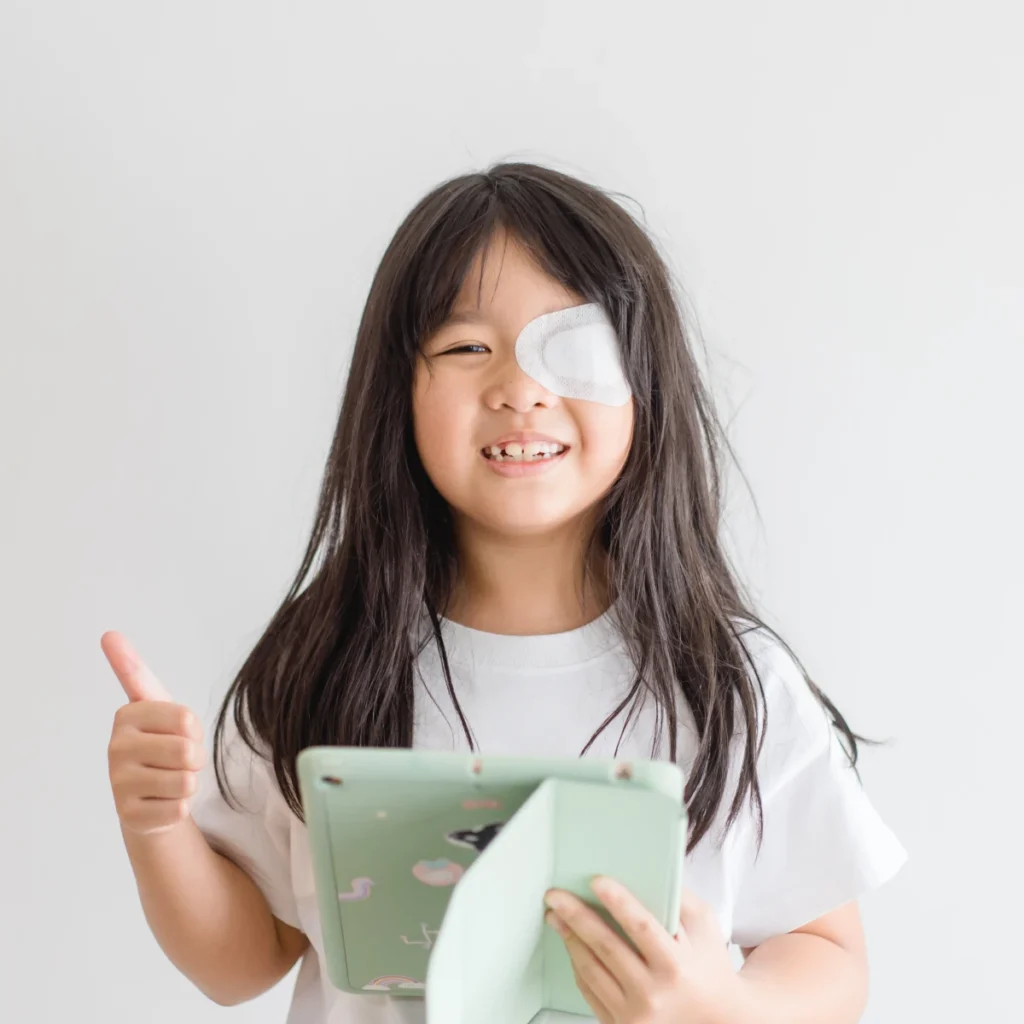
If vision remains reduced in one eye, patching is used to encourage greater use of the weaker eye. The stronger eye is covered for a prescribed number of hours each day, with the duration adjusted according to your child’s age, vision and response to treatment.
We understand that patching can take time for children to get used to. We will review your child’s progress regularly and adjust the patching schedule where needed, while helping you find a routine that is practical and manageable at home. Encouragement, consistency and small rewards can also make the process easier for your child.
Atropine 1% eye drops are used to temporarily blur vision in the stronger eye, encouraging the weaker eye to work harder and supporting visual development. The drops relax the eye’s focusing muscles and dilate the pupil, reducing the stronger eye’s ability to focus clearly, particularly at near distances.
Treatment typically involves applying the drops to the stronger eye twice a week. We will monitor your child’s vision regularly and adjust or discontinue treatment once vision improves sufficiently or when no further improvement is observed.
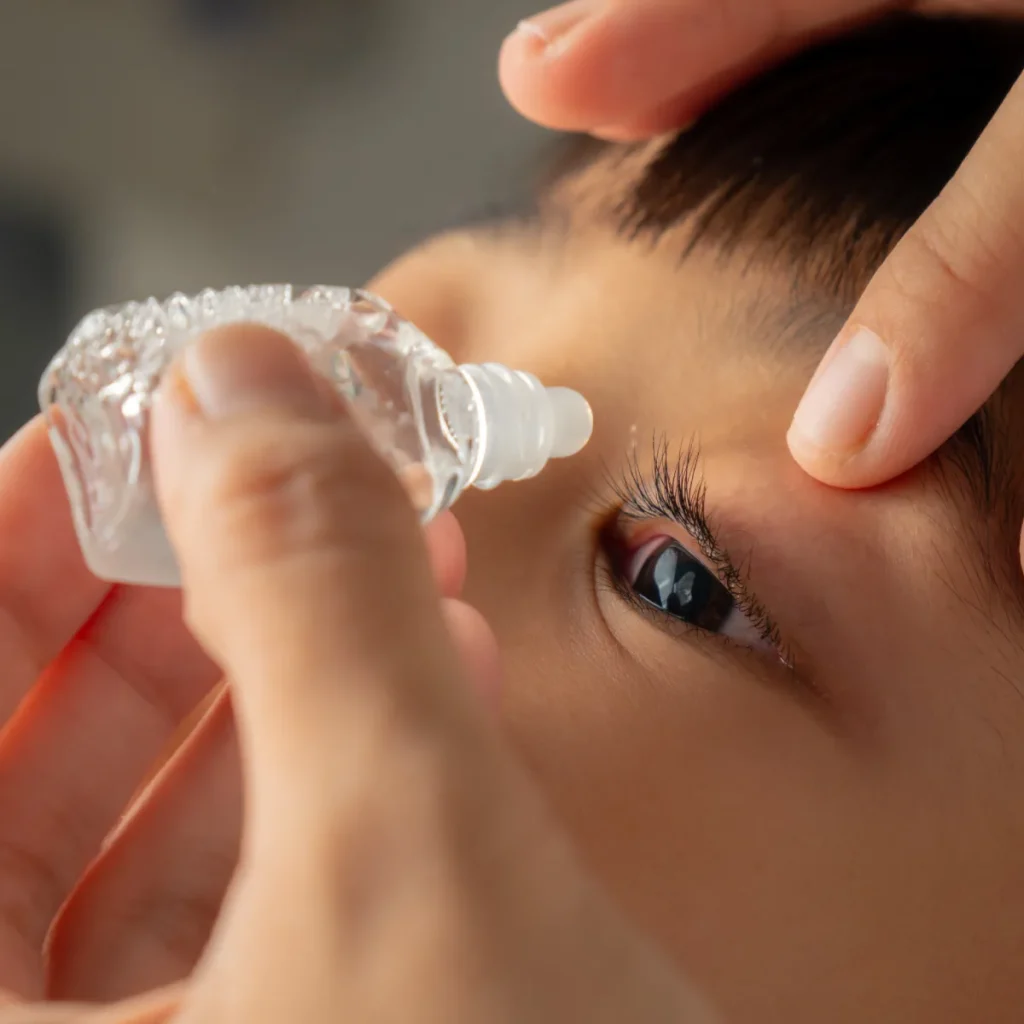
If amblyopia is caused by an eye condition the interferes with vision, such as a childhood cataract, droopy eyelid, or squint, the underlying condition has to first be addressed. Amblyopia treatment then continues as needed to help the weaker eye develop the best possible treatment.

From your child’s first consultation to ongoing follow-up care, our team will guide you and your child through each stage of their eye care journey. We are experienced in examining children and will adapt the consultation according to your child’s age, level of comfort and individual needs.
We understand that eye examinations sometimes feel unfamiliar to children. Our team takes a calm, patient and reassuring approach, allowing time for your child to become comfortable while keeping parents informed throughout the consultation.
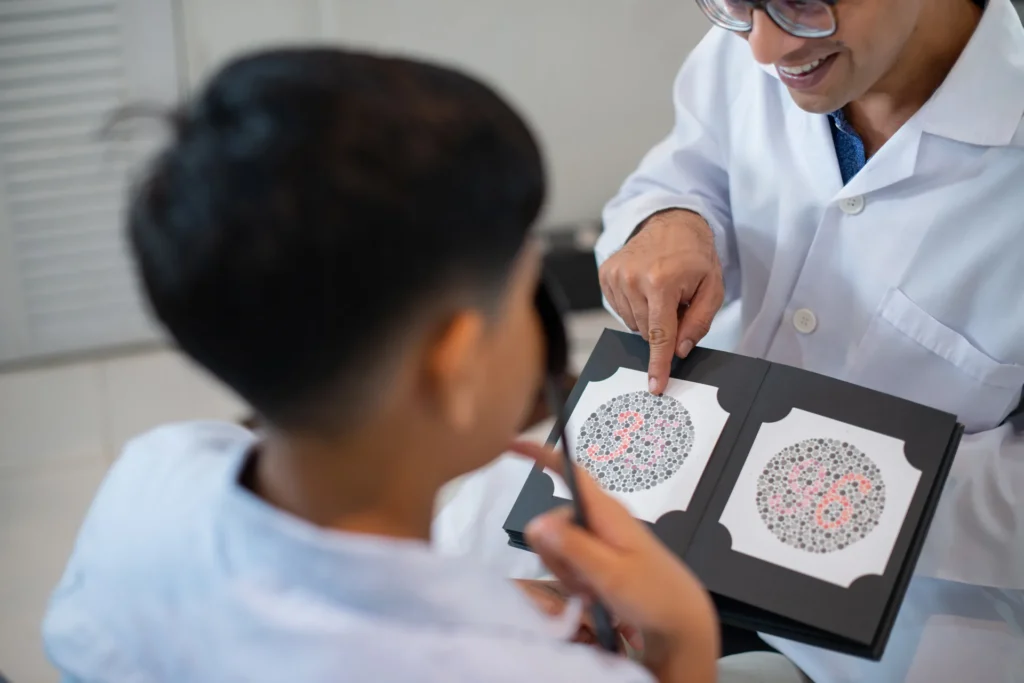
Your child’s consultation begins with an assessment of their vision, visual development and overall eye health. Depending on their age and the reason for their visit, the examination includes measurements of vision and eye alignment, assessment of refractive error, colour vision or stereopsis testing, examination of the front and back of the eyes, and diagnostic imaging where appropriate.
Children respond differently to eye examinations, so we will adapt the way each test is performed according to your child’s age and ability to cooperate. Our team will guide your child through each step patiently and carefully.
Once the examination is complete, we will explain the findings clearly and discuss what they mean for your child’s vision and visual development.
If any changes or concerns are identified, we will explain their significance and advise whether further assessment or monitoring is required. We will then advise you on the next steps for your child’s eye care based on their age, visual needs and examination findings. This includes what to look out for at home, whether further tests are required and when your child needs to return for review.
Children’s eyes continue to grow and change, so regular follow-up is an important part of monitoring their vision and visual development over time. Follow-up visits allow us to track changes in vision, refractive error, eye alignment and overall eye health, with repeat measurements or imaging performed where appropriate.
The frequency of review will depend on your child’s age, examination findings and how their vision changes over time. Our team will continue to keep you informed throughout your child’s care and advise when further review is required.
Early assessment helps identify vision problems that affect your child’s learning, development and daily activities. Book a consultation at Ascend Eye Clinic for a comprehensive evaluation of your child’s vision and eye health.
Amblyopia, commonly known as lazy eye, is reduced vision in one or both eyes that develops during childhood because the brain has not learnt to use the affected eye normally.
Amblyopia develops when one eye provides a clearer image than the other, or when something interferes with normal visual development. Common causes include unequal spectacle prescriptions, squint, childhood cataracts and droopy eyelids.
No. A squint refers to an eye that turns inwards, outwards, upwards or downwards, while amblyopia refers to reduced vision. A squint can lead to amblyopia if the brain begins to ignore the image from the misaligned eye.
Amblyopia often has no obvious symptoms, especially when only one eye is affected because the stronger eye compensates. Some children have a visible squint, difficulty judging depth or reduced vision when one eye is covered.
Amblyopia develops during infancy and childhood while the visual system is still developing. Early detection is important because treatment works best while the brain remains responsive to visual development.
Diagnosis involves measuring the vision in each eye, checking the spectacle prescription, assessing eye alignment and binocular vision, and examining the eyes for conditions that interfere with normal vision.
Yes. If amblyopia is caused by an uncorrected spectacle prescription, wearing the correct glasses consistently can significantly improve vision. Some children achieve sufficient improvement with glasses alone.
Patching covers the stronger eye for a prescribed period each day, encouraging the brain to use the weaker eye more effectively. Over time, this helps improve vision in the weaker eye.
The number of hours depends on your child’s age, level of vision and response to treatment. We will monitor progress and adjust the patching schedule as your child’s vision improves.
Many children need time to adjust. Building patching into a regular daily routine, using encouragement and small rewards, and keeping your child occupied during patching helps make treatment easier to maintain.
Treatment duration differs between children. Improvement often occurs gradually over several months, and treatment continues until vision has improved as much as possible or becomes stable.
Treatment remains effective in many older children, although the response is generally stronger when treatment begins earlier. An assessment will determine the most appropriate approach based on your child’s age and vision.
Vision can reduce again after treatment stops, particularly if treatment is stopped too quickly. Follow-up remains important so that any reduction in vision is identified early and treatment is adjusted where needed.
Yes. Vision in the weaker eye can reduce again after treatment stops. Regular follow-up allows us to monitor both eyes and, where appropriate, gradually reduce patching rather than stopping treatment abruptly.
Regular reviews allow us to monitor vision in both eyes, assess progress and adjust glasses or patching as needed. Follow-up also helps ensure that the stronger eye remains healthy while the weaker eye continues to improve.
Hi, I would like to book a consultation with Dr Errol Chan from Ascend Eye Clinic
