
Intravitreal injections are used to treat retinal conditions associated with swelling, leakage or abnormal blood vessel growth. We will monitor your condition closely with regular retinal imaging and follow up and recommend further treatment only when needed.
Retinal disorders can affect the macula and blood vessels at the back of the eye, leading to fluid leakage, swelling, bleeding or abnormal blood vessel growth. These changes will cause blurred or distorted central vision and result in permanent vision loss when left untreated.
Some retinal conditions treated with intravitreal injections include:
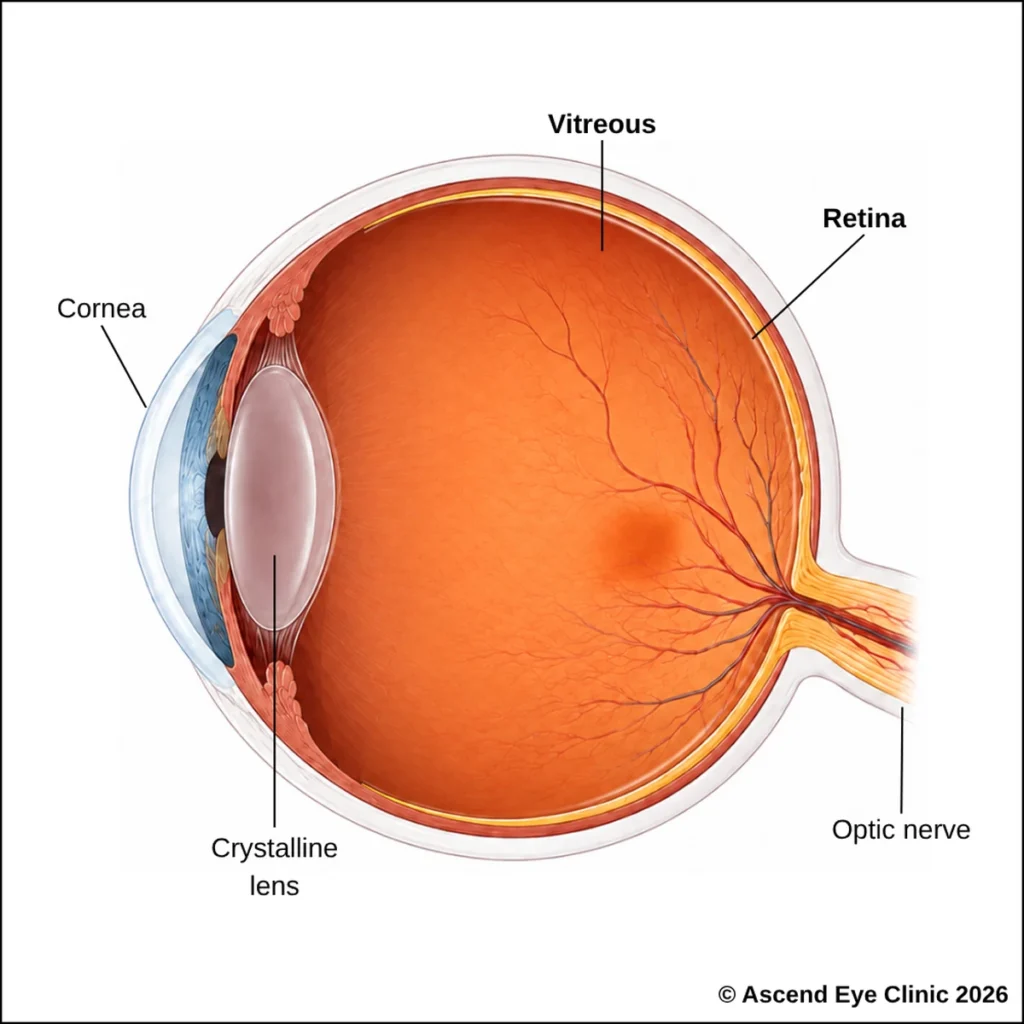
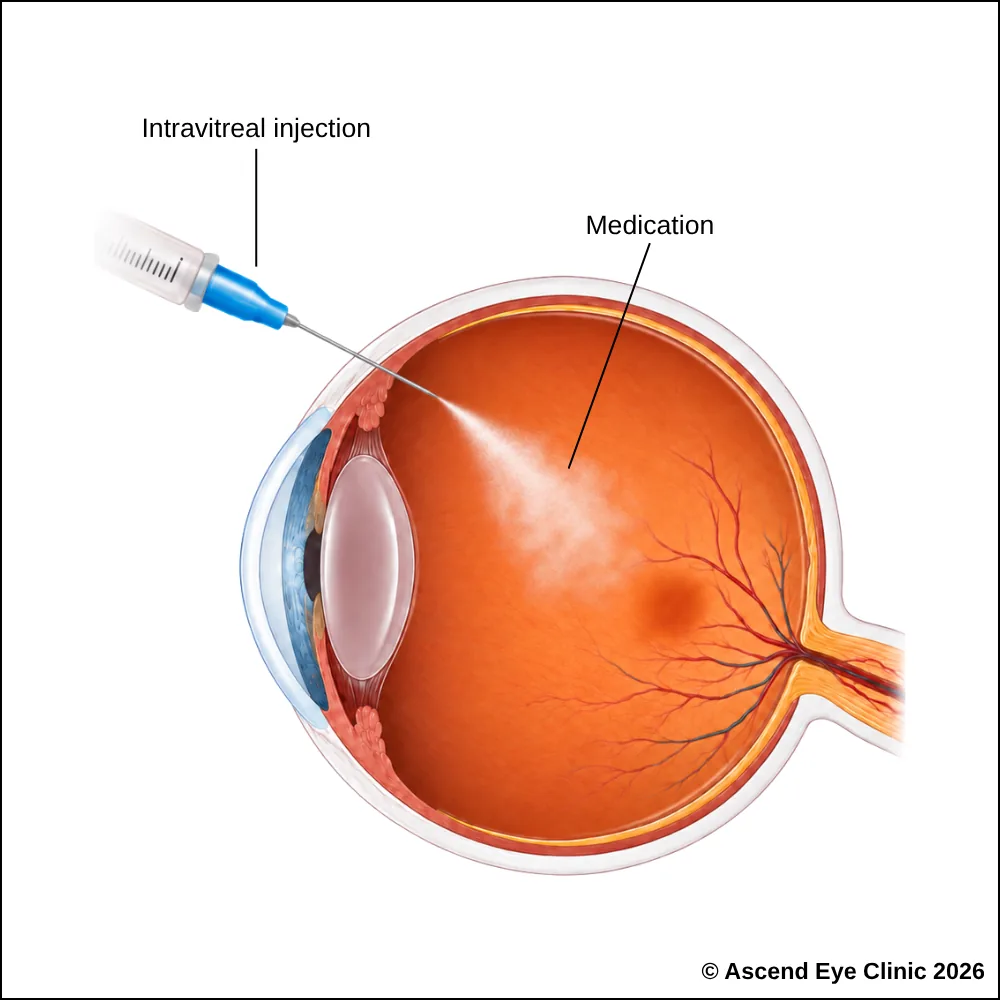
An intravitreal injection is a quick outpatient procedure performed with careful preparation to keep the eye comfortable. Anaesthetic drops are used to thoroughly numb the eye before treatment. Although the idea of an injection into the eye can sound daunting, the injection itself takes only a few seconds, similar to a vaccination, and most people feel only mild pressure or discomfort.
After the procedure, the eye can feel mildly gritty, watery or sore, with temporary blurred vision and a few floaters that typically settle within several days. Increasing pain, redness or worsening vision requires urgent assessment.
The number and frequency of treatments vary according to the condition and response to therapy. Retinal imaging is performed regularly to monitor swelling, leakage and treatment response, and the treatment plan is adjusted when required.
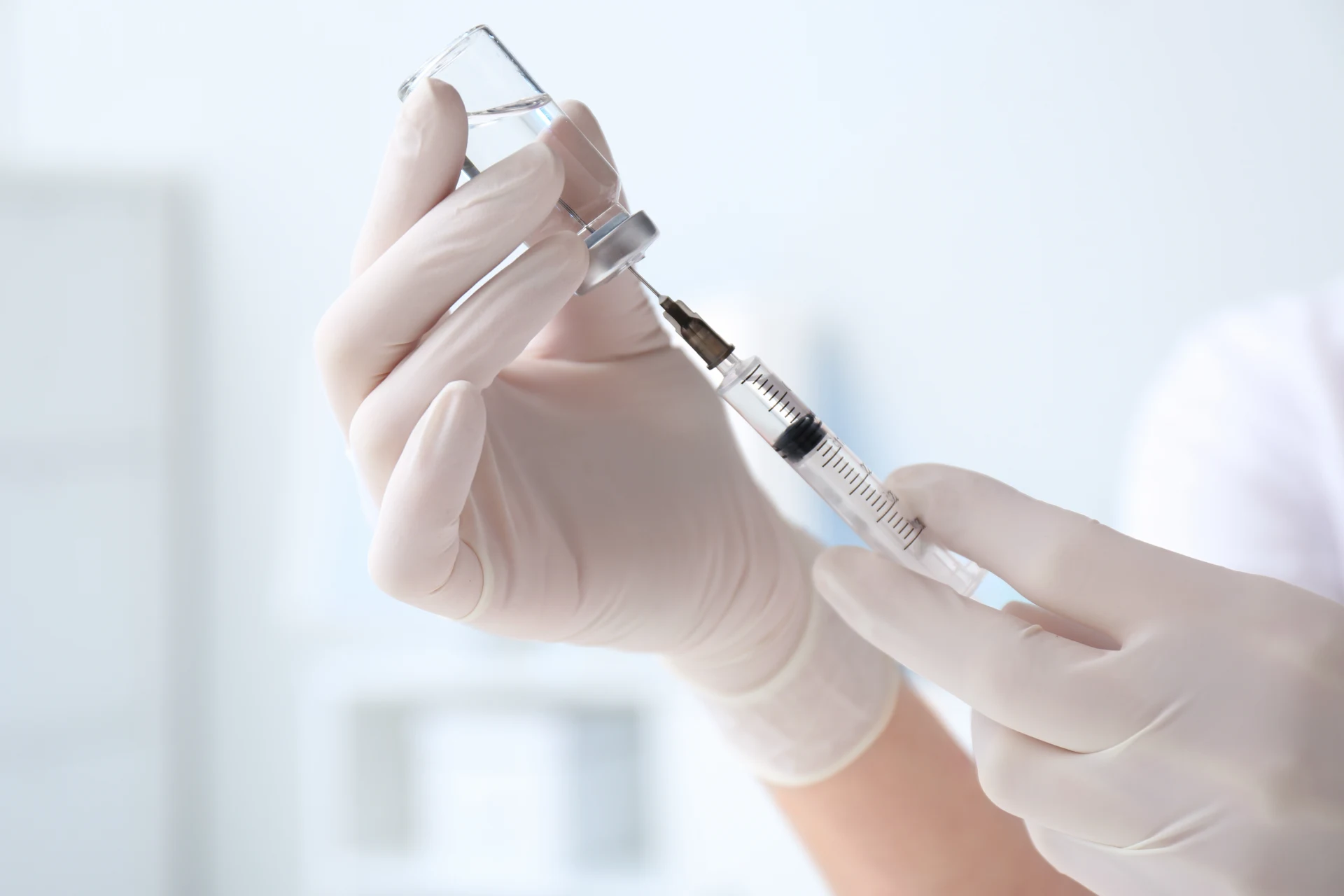
At Ascend Eye Clinic, we utilise a broad range of intravitreal treatment options, including Eylea®, Lucentis®, Vabysmo® and Ozurdex®. Each medication works differently and is selected according to the retinal condition, severity of swelling or leakage, previous treatment response and the intended duration of effect. Retinal imaging is used to guide treatment planning and monitor the response over time.
Eylea® and Lucentis® are anti-VEGF medications that block signals responsible for abnormal blood vessel growth and leakage within the retina. Vabysmo® targets both the VEGF and Ang-2 pathways, helping to reduce leakage and stabilise retinal blood vessels, with the potential for longer intervals between injections in suitable cases. Ozurdex® is a slow-release steroid implant that reduces inflammation and retinal swelling due to conditions including diabetic macular oedema and retinal vein occlusions over several months.
Anti-complement injections such as IZERVAY® is also used to slow the progression of geographic atrophy from age-related macular degeneration by inhibiting the pathway involved in retinal cell damage.
Medical Director & Senior Consultant Ophthalmologist
Ascend Eye Clinic, Singapore
From your initial consultation to treatment and follow-up care, our team will guide you through every stage of your journey. We will take the time to explain your condition, answer your questions and help you feel informed and supported throughout your care.
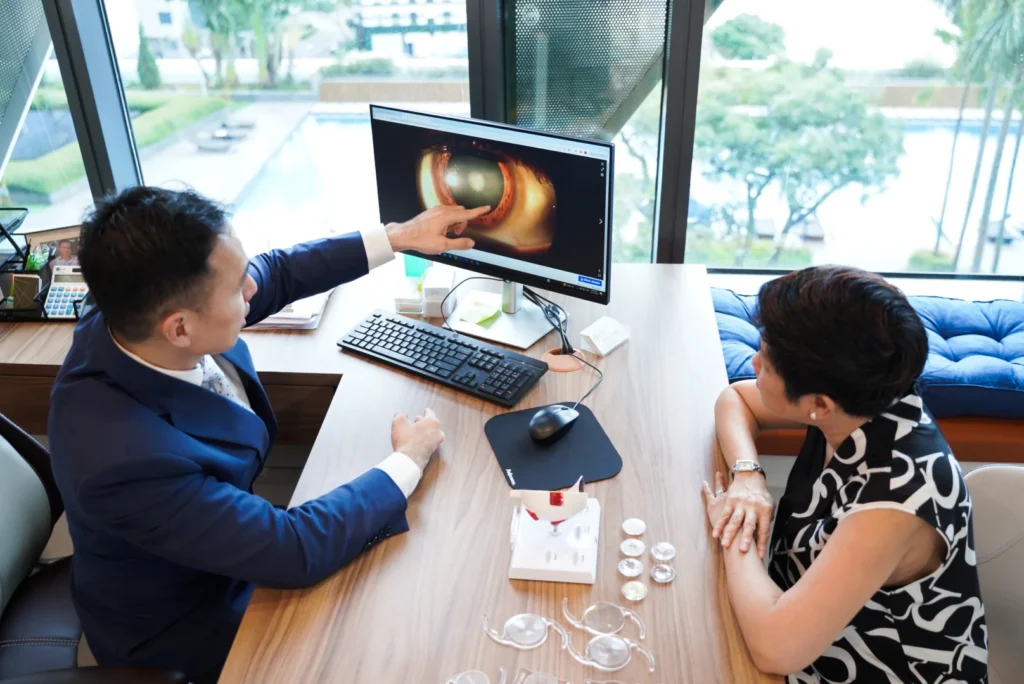
Your consultation begins with a detailed assessment of your vision and eye health. Depending on your condition, this may include measurements of your vision and eye pressure, examination of the front and back of the eye, and advanced diagnostic imaging.
Our team will guide you through each test and explain what is being assessed. Your results will then be carefully reviewed to understand your individual needs and determine whether monitoring or treatment may be recommended.
Every eye and every patient is different. Your treatment plan will be tailored according to your examination findings, visual needs, general health and lifestyle.
We will explain the recommended treatment, its expected benefits, possible risks and any suitable alternatives in a clear and straightforward manner. You will have time to ask questions and consider your options before deciding how you would like to proceed.
Before your treatment, our team will guide you through the necessary preparations, paperwork and medication instructions. Where applicable, we will explain how to use your prescribed eye drops and how to care for your eyes afterwards.
We understand that undergoing a procedure can feel unfamiliar or worrying. Our team will be available to answer your questions and ensure that you know what to expect before the day of your treatment.
On the day of your procedure, you will arrive at the hospital or surgical centre where your operation has been scheduled. The surgical team will help you prepare and explain what will happen at each stage.
Anaesthetic eye drops or other forms of anaesthesia may be used, depending on the procedure, to keep you comfortable. Your doctor and the surgical team will support and reassure you throughout the operation.
Most eye surgeries are performed as day procedures, although the duration and recovery process will depend on the treatment you receive. Your vision may be temporarily blurred afterwards, so you should arrange for someone to accompany you home and should not drive unless your doctor has advised that it is safe to do so.
We will provide clear instructions on how to care for your eyes, use any prescribed medication and manage your activities during recovery. We will also explain which symptoms are expected and when you should contact the clinic for further advice.
Follow-up appointments allow us to monitor your vision, assess your recovery and identify any concerns at an early stage. Our team remains accessible should you have any questions or concerns throughout your recovery.
Retinal conditions can continue progressing even when changes in vision appear mild. Detailed retinal imaging accompanied by carefully selected medications and close monitoring support effective control of retinal swelling, leakage and abnormal blood vessel growth.
Book a consultation with us for a comprehensive retinal assessment and a personalised treatment plan designed to preserve vision over the long term.
Intravitreal injections deliver medication directly into the vitreous, allowing it to reach the retina where treatment is needed. They are commonly used to reduce retinal swelling, control leakage from abnormal blood vessels and manage inflammation at the back of the eye.
The eye is thoroughly numbed with anaesthetic drops before the injection. Most patients feel little or no sharp pain during the procedure, although you may notice brief pressure or mild discomfort. We will make sure the eye is comfortable before proceeding.
The eye and surrounding skin are carefully cleaned before anaesthetic drops are applied. A small instrument is used to keep the eyelids open, and the medication is then injected through the white part of the eye. The injection itself only takes a few seconds.
The injection is given through the side of the eye, so you will not normally see the needle approaching. You may notice lights, shadows or movement during the procedure, but we will guide you through each step.
The injection itself takes only a few seconds, although the overall visit takes longer to allow time for preparation, numbing of the eye and checks before and after treatment.
Many retinal conditions require a course of treatment rather than a single injection. The number and frequency of injections depend on the condition, how the retina responds and the findings on follow-up scans.
Treatment intervals vary between patients. Injections may initially be given more frequently and then spaced further apart as the retina becomes more stable. We will adjust the treatment schedule according to your response.
We monitor your vision and use retinal imaging, particularly OCT scans, to look for changes in swelling, fluid or the structure of the retina. These findings help us decide whether further injections are needed and how often treatment should continue.
The aim of treatment can be to improve vision, stabilise it or prevent further deterioration, depending on the retinal condition and how much damage is already present. Changes in vision often occur gradually rather than immediately after an injection.
The eye can feel mildly gritty, watery or irritated for a short period afterwards. Small floaters or bubbles may also be visible temporarily. These usually settle as the eye recovers.
Intravitreal injections are performed as outpatient procedures, so you can return home after treatment. Your vision can be temporarily blurred from the procedure or dilating drops, so it is best to arrange transport if your vision is not clear enough to travel safely on your own.
Most normal daily activities can be resumed soon after treatment. We generally recommend avoiding rubbing the eye and keeping water, dust and other potential contaminants away from the eye during the early recovery period. We will advise you if any additional restrictions are needed.
Intravitreal injections are routinely performed, but as with any procedure, complications can occur. These include infection inside the eye, inflammation, bleeding on the surface of the eye, raised eye pressure, retinal tears or retinal detachment. We take careful precautions to reduce these risks.
Seek prompt attention if you develop increasing eye pain, worsening redness, a significant drop in vision, increasing sensitivity to light or a marked increase in floaters after treatment. These symptoms need to be assessed to rule out complications such as infection.
This depends on the condition being treated and how it responds. Some patients require a limited course of injections, while others need longer-term treatment to keep the retina stable. We will continue to review your response and adjust treatment according to what your eye needs.
Hi, I would like to book a consultation with Dr Errol Chan from Ascend Eye Clinic
